
How to clean car wheels brake dust comes down to two things: using the right cleaner for your wheel finish, and not letting the dust bake on long enough to become a scrubbing match you never wanted.
Brake dust isn’t just “dirt.” It’s a mix of adhesive carbon, road grime, and tiny metallic particles that can cling, stain, and sometimes etch the surface if it sits too long, especially after hot drives. That’s why quick rinses often disappoint, and why harsh products can backfire.
This guide walks you through a realistic, low-effort routine that still looks pro: what causes stubborn buildup, how to pick tools and chemicals without guessing, a simple 15–30 minute workflow, and what to avoid if you care about your wheel coating.
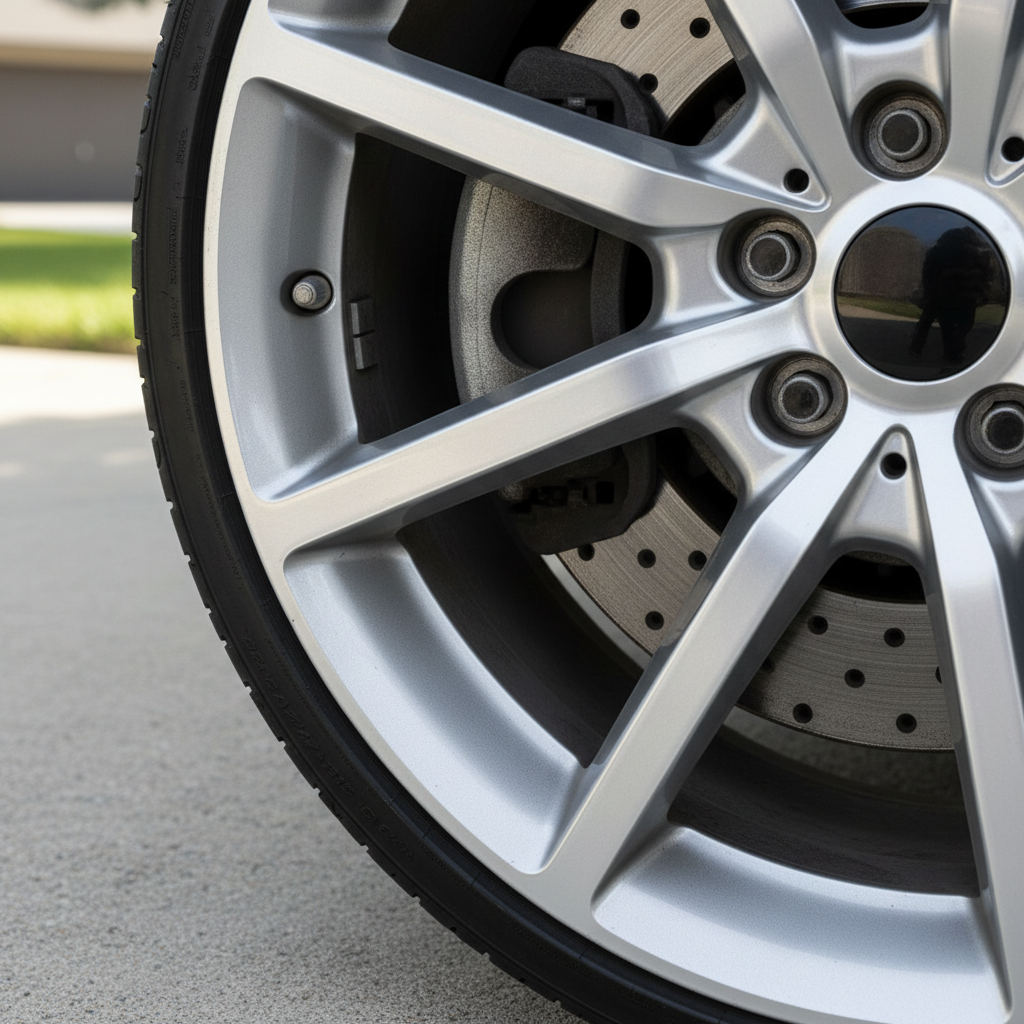
Why brake dust sticks so hard (and why it keeps coming back)
If you feel like you just cleaned your wheels and they’re dirty again a week later, you’re not imagining it. Most brake pads shed material as they grip the rotor, and that debris lands on the nearest hot surface: the wheel face and barrel.
- Heat bakes it on: after driving, wheels stay warm, so dust bonds faster and “sets.”
- Metallic particles cling: many pads release iron-rich particles that can embed in grime and feel gritty.
- Wheel designs trap grime: tight spokes, deep barrels, and sharp corners hold onto residue.
- Wrong chemistry creates extra work: an overly strong acid on the wrong finish can dull it, while a mild soap may never break the bond.
According to the U.S. Environmental Protection Agency (EPA), many cleaning products contain chemicals that can impact indoor and outdoor air quality, so choosing “strongest possible” isn’t always the smartest path for you or your driveway.
Quick self-check: what kind of wheel and dust are you dealing with?
Before you spray anything, take 30 seconds to identify the situation. It saves time and helps you avoid expensive cosmetic damage.
A fast decision checklist
- Wheel finish: clear-coated alloy, painted, chrome, polished aluminum, powder coated, or aftermarket coated.
- Dust level: light gray film, thick brown/black buildup, or gritty “sandpaper” feel.
- Time since last clean: days, weeks, or “don’t ask.”
- Wheel temperature: cool to the touch or still warm from driving.
- Any existing damage: pitting, flaking clear coat, curb rash, stained spots near the spokes.
If your wheels are chrome or polished metal and you’re not 100% sure what you’re holding, treat them gently and spot-test first. That caution is boring, but replacing a wheel finish is worse.
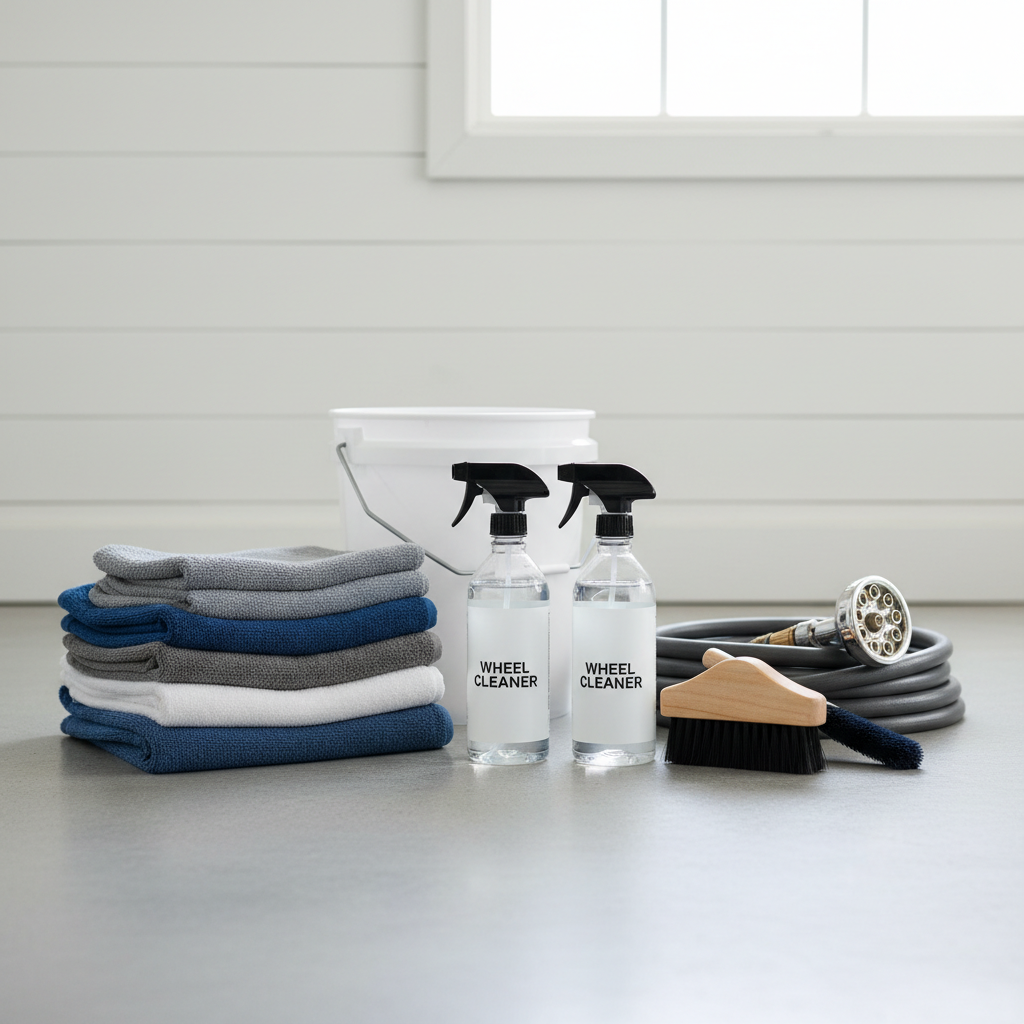
Tools and products that make this “effortless” (without cutting corners)
You don’t need a wall of products, but you do need the right categories. The most common reason people struggle with how to clean car wheels brake dust is using one brush and one soap for everything.
Minimum kit (works for most weekly/biweekly cleaning)
- Dedicated wheel cleaner (pH-balanced or “safe for all wheels” style for most drivers)
- Wheel face brush (soft bristles for spokes and faces)
- Barrel brush (to reach behind spokes)
- Lug nut/detail brush (small, nimble)
- 2 microfiber towels (one for drying, one as backup)
- Separate wash bucket or separate mitt (keep wheel grit away from paint)
When you might add one “special” product
- Iron remover: if dust feels gritty, looks speckled, or stains reappear quickly after cleaning.
- Tar remover: if you see black dots/streaks that don’t move with normal agitation.
- Wheel sealant or ceramic spray: if you want future cleanups to take minutes instead of a workout.
Skip stiff brushes and household scouring pads. They’re the fastest route to micro-scratches that make wheels look permanently dull in sunlight.
The low-effort method: a 15–30 minute wheel routine that actually works
This is the workflow detailers lean on because it’s repeatable. The big trick is doing it in the right order and not letting chemicals dry on the surface.
Step-by-step
- 1) Work on cool wheels: park in shade, wait until the wheel feels cool. If it’s hot, cleaners can flash-dry and spot.
- 2) Rinse thoroughly: blast off loose grit from face and barrel. This reduces scratching when you touch the surface.
- 3) Apply wheel cleaner: spray from bottom to top so you can see coverage and reduce streaking.
- 4) Dwell time matters: let it sit per label instructions. Don’t “set it and forget it.”
- 5) Agitate gently: face brush first, then lug areas, then barrel. Let chemistry do the heavy lifting.
- 6) Rinse like you mean it: rinse until runoff is clear, especially around lug holes and valve stems.
- 7) Dry: a microfiber towel prevents water spots and makes the finish look sharper immediately.
Key point: If you’re chasing “effortless,” the win is consistency. Cleaning moderate dust weekly is dramatically easier than rescuing baked-on buildup every month.
Stubborn, baked-on dust: what to do when basic cleaner fails
If you already followed the routine and the wheel still looks brown or speckled, you’re usually dealing with embedded contamination or heavy oxidation and staining. Don’t jump straight to aggressive acid unless you know your finish can tolerate it.
A practical escalation ladder
- Round 1: stronger agitation, not stronger chemicals: switch to a fresh brush and focus on tight areas, reapply cleaner for a second pass.
- Round 2: iron remover: spray on a cool, wet wheel, allow dwell time, then rinse well. Many formulas change color as they react.
- Round 3: clay or synthetic decon towel (carefully): only after the wheel is clean and lubricated, and only on durable finishes. This can mar softer surfaces.
- Round 4: professional help: if you see pitting, peeling clear coat, or “shadow stains” that won’t lift, it may be etching or finish failure.
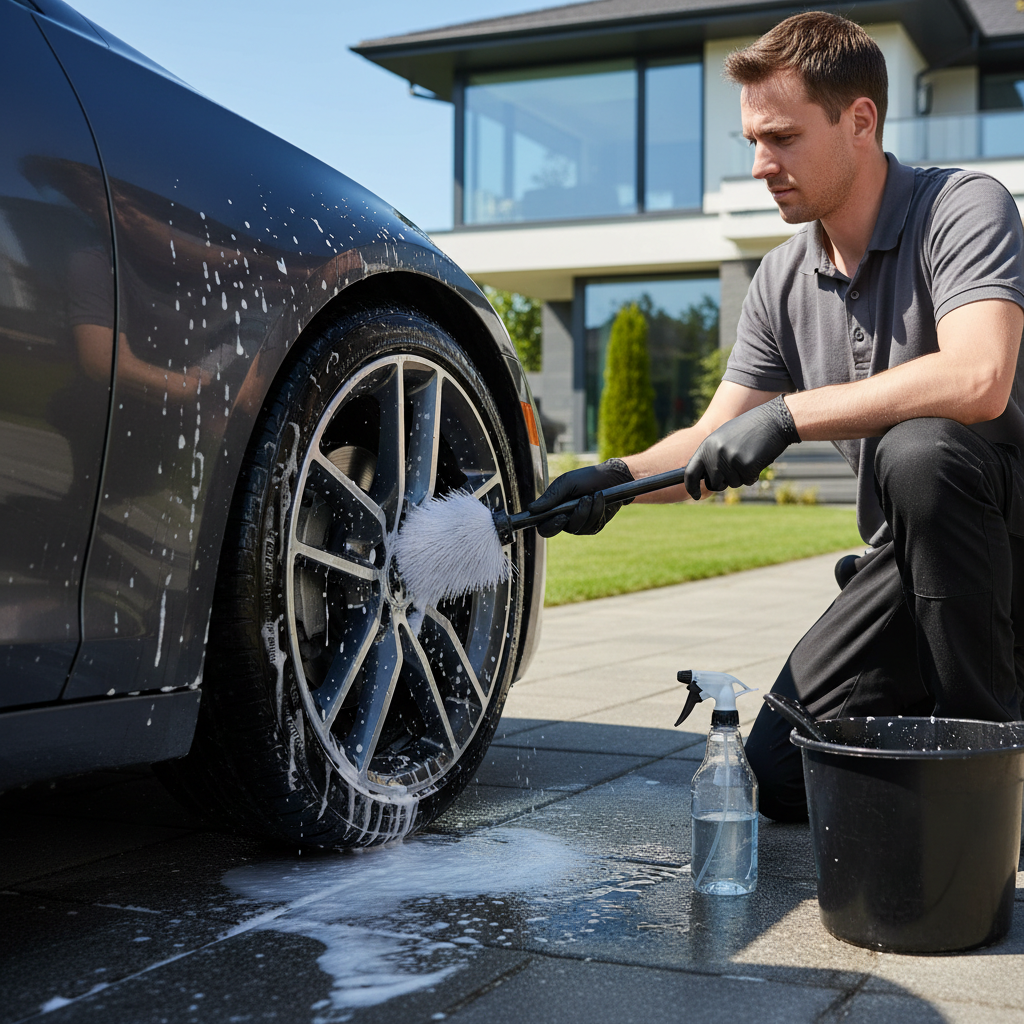
Common mistakes that make wheels harder to clean next time
A lot of “my wheels are impossible” stories trace back to a few habits that quietly make the job worse over time.
- Cleaning in direct sun: products dry too fast and can spot or streak.
- Using one mitt for paint and wheels: brake dust particles can scratch paint.
- Letting cleaner dry: can leave residue, staining, or patchiness depending on the formula and finish.
- Going too aggressive too early: harsh acids and stiff brushes can dull clear coat and create permanent haze.
- Skipping the barrel: the face looks clean, but remaining dust migrates back and ruins the “freshly cleaned” look fast.
Choose the right approach: a quick comparison table
If you’re deciding what to buy or what to try next, this is the simplest way to match the situation to the method.
| Situation | What you’ll see | Best next move | Avoid |
|---|---|---|---|
| Light weekly dust | Thin gray film | pH-balanced wheel cleaner + soft brush | Harsh acid “for speed” |
| Heavy buildup | Dark patches, dirty barrel | Two-pass clean, longer dwell, better brushes | Scouring pads, stiff bristles |
| Embedded particles | Speckled stains, gritty feel | Iron remover, then gentle agitation | Grinding harder with one brush |
| Finish looks damaged | Pitting, peeling, cloudy areas | Consult a detailer/wheel refinisher | More aggressive chemicals |
Make future cleanups easier: protection and maintenance tips
If you want how to clean car wheels brake dust to feel almost automatic, add one protective step after the wheel is fully clean and dry. It won’t stop dust, but it often reduces how strongly it bonds.
Low-commitment options
- Spray sealant: quick application, solid short-term slickness, good for busy routines.
- Wheel-specific sealant: tends to handle heat better than generic paint sealants in many cases.
- Ceramic spray coating: can last longer if prep is good, but surface must be clean to bond well.
A simple maintenance rhythm
- Weekly/biweekly rinse + light clean: prevents “baked-on” recovery work.
- Monthly deeper clean: include barrel, lug recesses, and a careful inspection.
- Reapply protection: based on product instructions and real-world results, not just the label.
When to get professional help (and when to stop experimenting)
If you’ve tried safe cleaners, proper dwell time, and gentle agitation, but staining remains, it may be etching or clear coat failure. In that case, stronger chemicals often just make the surface look worse.
- Consider a pro detailer if wheels have complex finishes, heavy embedded contamination, or you want coating prep done right.
- Consider a wheel refinisher if you see peeling, bubbling, deep pitting, or corrosion.
- Safety note: if you notice respiratory irritation from cleaners, switch to better ventilation and milder formulas, and consider asking a professional what’s appropriate for your finish.
Key takeaways (so you don’t overthink it)
- Cool wheel, thorough rinse, correct cleaner, gentle agitation beats brute force.
- Consistency is what makes this feel effortless over time.
- Iron remover is the right upgrade for gritty, speckled brake dust.
- Protection won’t eliminate dust, but it usually shortens the next wash.
Conclusion: clean wheels without turning it into a weekend project
Once you match the cleaner to the finish and stop fighting baked-on buildup, wheel cleaning becomes a short, predictable routine. Start with a gentle approach, upgrade only when you see signs of embedded contamination, and protect the finish so your next wash feels easier than the last.
If you want a simple next step, pick one day a week for a quick wheel clean and add a spray sealant after drying, that combo tends to deliver the biggest “effort-to-results” payoff.
FAQ
How often should I clean wheels to prevent brake dust buildup?
For many daily drivers, weekly or biweekly cleaning keeps dust from baking on. If you drive in stop-and-go traffic or have high-dust pads, you may need more frequent light cleanings.
Is dish soap okay for cleaning brake dust off rims?
It can remove some surface grime, but it often struggles with bonded brake dust, and some dish soaps may strip protective sealants. A wheel-specific cleaner is usually more efficient and less frustrating.
What’s the safest way to clean matte or satin-finish wheels?
Matte finishes can be picky. Use a cleaner labeled safe for matte wheels, avoid aggressive polishing, and don’t use acidic products unless the manufacturer explicitly supports it. When unsure, spot-test in an inconspicuous area.
Do “color-changing” iron removers damage wheels?
Many are designed to be finish-safe when used as directed, but misuse can cause issues. Keep the wheel cool, follow dwell time, and rinse thoroughly. If your wheel has damaged clear coat, test carefully or consult a pro.
Why do my wheels still look dirty after I scrub them?
Often it’s embedded contamination in the pores of the finish or dust in the barrel making the face look dingy again. Try a deeper barrel clean and consider an iron remover if you feel grit.
Can brake dust permanently stain wheels?
It can, especially if it sits for long periods and heat cycles repeatedly. Some stains are actually etching or clear coat failure, which cleaning alone may not fix.
What’s the easiest way to keep wheels clean longer?
After a proper wash and dry, apply a wheel-safe sealant or ceramic spray, then keep up with quick maintenance washes. The goal is reducing bonding, not eliminating dust completely.
If you’re trying to keep your wheels looking fresh without stocking ten products, a pH-balanced wheel cleaner, the right brushes, and a simple sealant routine usually gives the most “effortless” results with the least risk.