
Top rated car seat covers for leather seats are usually the quickest way to stop daily wear from turning into permanent creases, stains, or that “shiny slick” look leather gets after years of sliding in and out.
If you already paid for a leather interior, the goal is simple, protect it without making the cabin feel cheap, bulky, or sweaty. The tricky part is that not every “leather-friendly” cover actually plays nice with real-world conditions like heat, pets, kid spills, and side airbags.
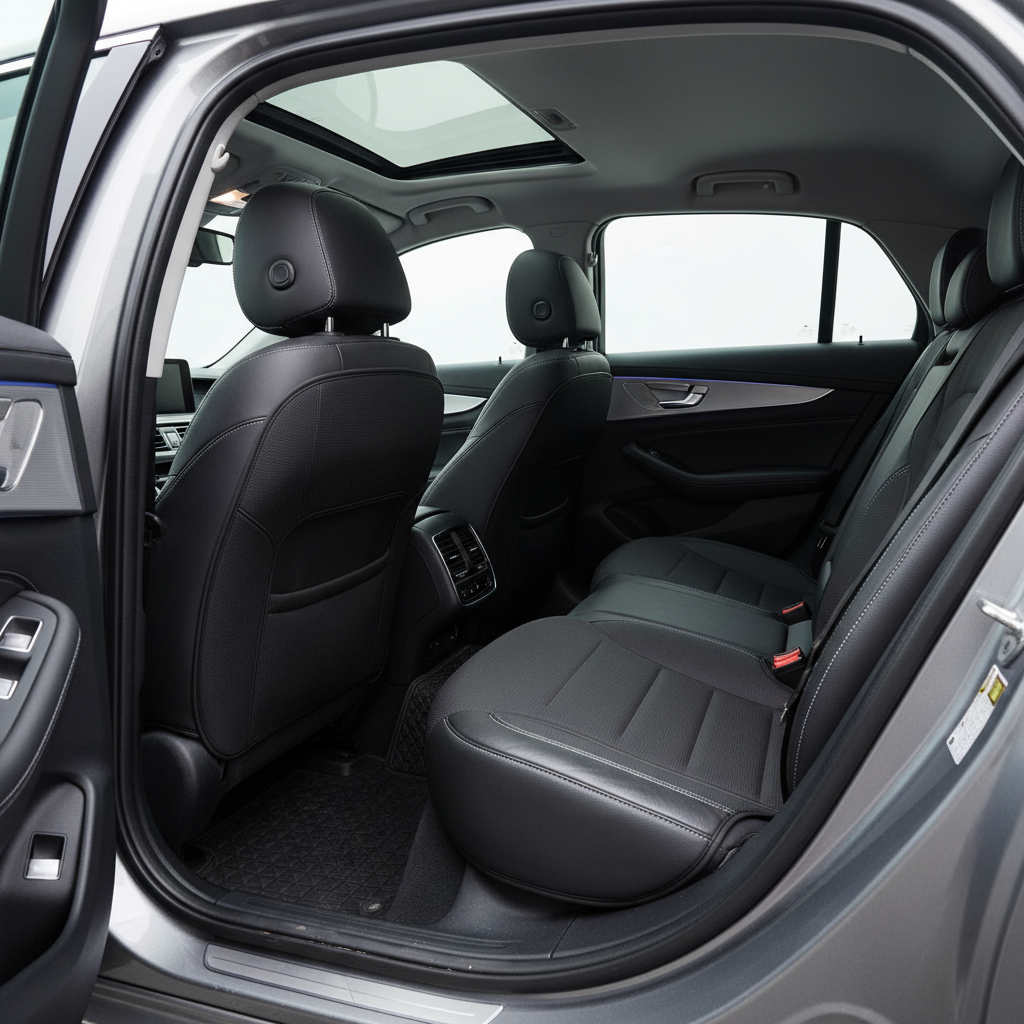
This guide breaks down what “top rated” tends to mean in practice, which cover types work best for leather, and how to choose a setup that fits your car and your life, not just the product page photos.
What makes leather seats get damaged (and how covers help)
Leather is durable, but it is not invincible. A lot of damage looks “sudden,” but it’s often slow friction plus heat plus something abrasive.
- Friction from entry/exit: the outer bolster takes the hit, covers act as a sacrificial layer.
- Sun and heat cycles: interior temps climb, leather dries faster, covers can reduce direct contact and slow wear.
- Spills and body oils: sunscreen, lotion, coffee, and sweat can discolor leather over time.
- Pet claws and grit: even “trimmed nails” plus sand can leave micro-scratches.
- Child seats: pressure points and movement can leave dents or rub marks unless you use a compatible protector.
According to the National Highway Traffic Safety Administration (NHTSA), seat belts and airbags are critical safety systems, so any seat cover you choose should be compatible with side airbags and not interfere with belt routing.
Quick checklist: are you buying the right cover type for your situation?
Before looking at brands, get clear about the job. The “best” option for a dog owner in Arizona is often different from someone commuting in the Midwest.
- You want a factory look: focus on custom-fit or semi-custom, tighter patterns, minimal wrinkles.
- You deal with sweat/heat: prioritize breathable fabrics (mesh, perforated neoprene, certain woven poly blends).
- You have pets: look for abrasion resistance, water resistance, and a back-seat hammock option if needed.
- You carry kids: easy-clean materials and good edge coverage matter more than “luxury feel.”
- You need quick on/off: universal covers install fast, but expect more shifting and a less tailored look.
- Your seats have side airbags: you need explicit airbag-compatible seams or open-side designs.
Key point: if the product listing is vague about airbag compatibility, treat that as a red flag, not a missing detail.
Top rated car seat covers for leather seats: materials that usually perform best
Ratings online often reward “looks good day one.” For leather protection, durability and stable fit usually matter more.
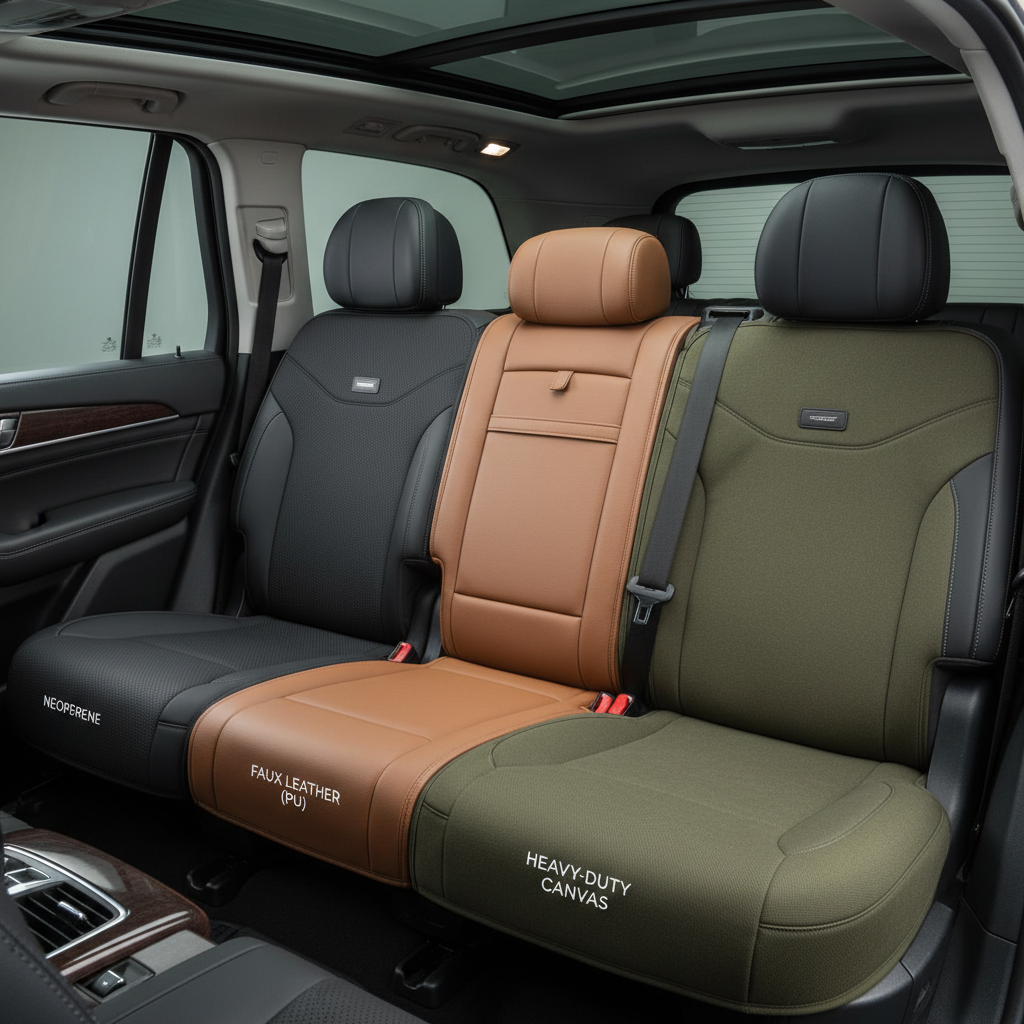
Neoprene (or neoprene-like)
Neoprene is popular because it’s water resistant, grippy, and tends to stay put on leather. Many people like it for beach days, gym commutes, and kid messes. The downside is breathability varies, in hot climates it can feel warm.
Canvas / duck cloth
Canvas is the “work truck” option, tough, good against pet claws, and it doesn’t pretend to be leather. It can feel a bit stiff at first, and cheaper canvas can pill, so stitching quality matters.
Faux leather (PU/PVC)
Faux leather looks upscale and wipes clean easily, but some versions can trap heat and may get slick. If you go this route, look for perforation or breathable panels, plus reliable attachment points so it doesn’t slide on leather.
Mesh and polyester blends
These are often the most breathable and comfortable for daily driving. Protection is solid for scuffs and light spills, but heavy-duty abrasion resistance depends on weave density and backing.
Sheepskin / wool blends
Comfort is the big win, especially in temperature swings. For protection, they help with friction and surface wear, but they’re not the easiest when you expect frequent spills.
Fit styles that matter more than brand names
Two covers can use the same fabric and still perform very differently, mostly because of fit. This is where most “top rated” frustration shows up after a few weeks.
- Custom-fit: patterned to your seat model, cleaner look, better coverage, usually higher cost.
- Semi-custom: designed for a range of seats, often the best value if you pick carefully.
- Universal: easy and cheap, but can bunch up, slide, or leave high-wear areas exposed.
If you’re shopping top rated car seat covers for leather seats, prioritize tight anchoring (straps, hooks, anti-slip backing) and correct headrest/armrest cutouts. Those details decide whether you “set it and forget it” or keep re-tucking every week.
A practical comparison table (what to buy for common use cases)
Use this as a shortcut. It’s not a ranking, it’s a matchmaker.
| Use case | Good material choices | Fit style to favor | What to watch |
|---|---|---|---|
| Daily commute, want OEM look | PU faux leather, poly blends | Custom / semi-custom | Heat buildup, slickness on leather |
| Kids, snacks, frequent spills | Neoprene, water-resistant poly | Semi-custom | Stitching gaps where liquids seep |
| Dogs riding often | Canvas, heavy-duty poly | Rear bench + hammock option | Claw snag points, weak buckles |
| Hot climate comfort | Mesh, breathable poly blends | Semi-custom | Thin fabric that shifts over time |
| Outdoor work, mud, tools | Canvas, neoprene | Semi-custom / universal heavy-duty | Coverage on side bolsters |
How to install seat covers on leather so they don’t slide or trap grime
Leather is naturally smoother, so “creeping” is common. A clean install makes a bigger difference than people expect.
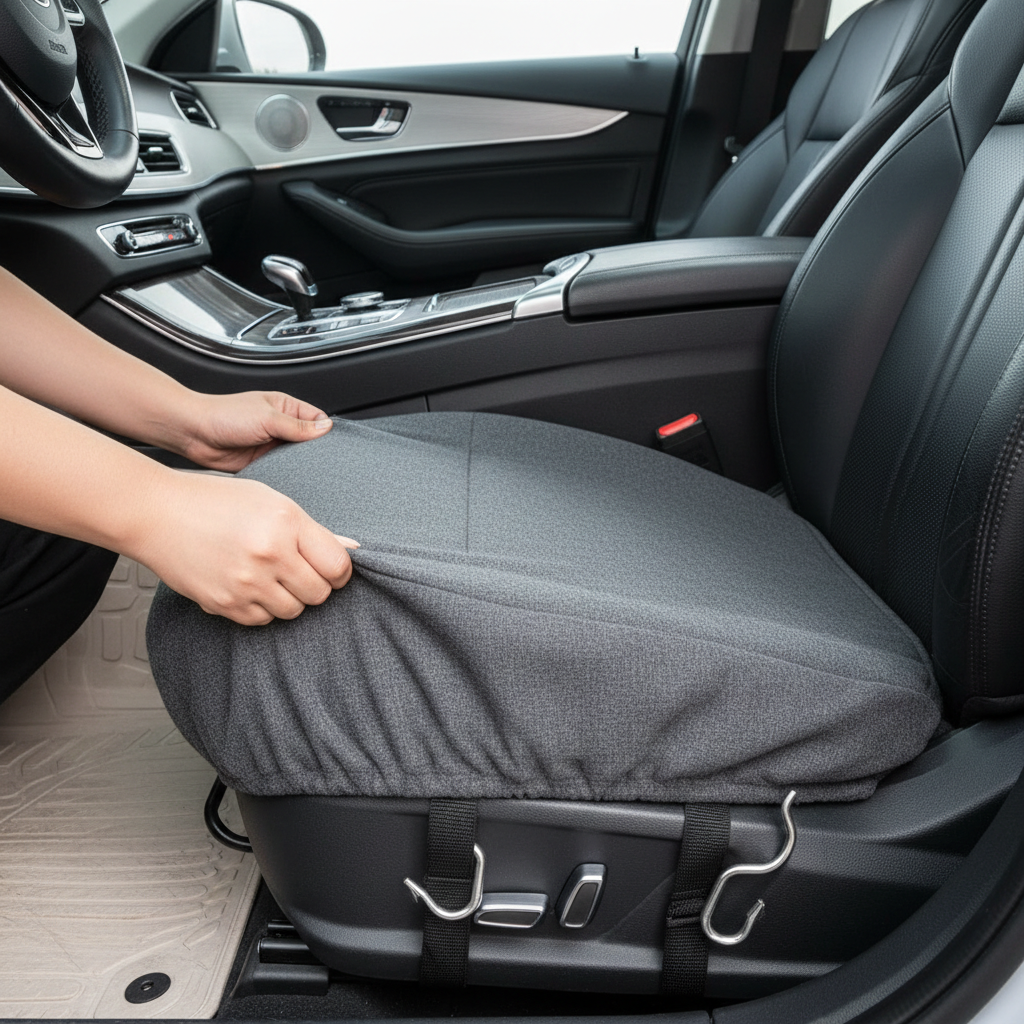
Step-by-step that usually works:
- Clean the leather first: wipe off grit so the cover doesn’t grind it in. Let the seat dry before installing.
- Warm the cover slightly: leaving it in a warm room helps it flex and fit tighter, especially faux leather.
- Center the cover, then tension: align seams and headrest openings, then tighten straps gradually so it stays straight.
- Use anchors correctly: push foam tubes or hooks deep into the seat crack so they lock.
- Check belt paths and airbags: confirm buckles are accessible and nothing blocks side seams.
Small habit that helps: after a week of driving, re-tighten once. Materials settle, and that one adjustment often stops ongoing shifting.
Mistakes that make “top rated” covers disappoint
- Buying for looks only: shiny faux leather can look great online but feel hot and slippery on real seats.
- Ignoring seat features: integrated headrests, seat-mounted airbags, fold-flat levers, all require specific cutouts.
- Skipping cleaning: trapping sand under a cover can wear leather faster than no cover in some cases.
- Using the wrong child-seat layer: some protectors can interfere with a secure install, check your child seat manual and consider advice from a certified technician.
According to the American Academy of Pediatrics (AAP), correct child restraint use is important for safety, so if you’re unsure whether a seat protector affects installation, it’s worth getting guidance rather than guessing.
When you should consider professional help (or at least ask before buying)
If any of these apply, a quick call to your dealership parts department, an upholstery shop, or the seat cover manufacturer’s support can save you a return cycle:
- Your seats have seat-mounted side airbags and the cover design is unclear.
- You drive a trim with ventilated or heated seats and you care about airflow and performance.
- You need to preserve resale value and want a near-OEM finish.
- You have a medical sensitivity to heat or materials, in that case a breathable option may matter, and asking a professional is reasonable.
Key takeaways (so you can pick fast)
- Fit beats hype: a stable, well-anchored semi-custom cover often protects better than a loose “premium” universal.
- Match material to your pain point: neoprene for spills, canvas for pets and work, mesh for hot comfort.
- Safety compatibility is non-negotiable: verify side-airbag and seat belt access before you commit.
- Install matters: clean first, tension evenly, re-tighten after a week.
If you want top rated car seat covers for leather seats, start with your seat features and your daily mess profile, then choose a material that feels good in your climate and a fit style that will not slide. Once you do that, “top rated” stops being a gamble and becomes a pretty predictable purchase, pick, install, protect, move on.
If you’re trying to protect a newer leather interior and you’re torn between two cover styles, make a short list with your seat model, airbag setup, and climate, then compare materials and fit notes side by side, you’ll usually spot the right option quickly.
FAQ
- Do seat covers damage leather seats?
They can if dirt gets trapped underneath or if the cover shifts and rubs in the same spot. Cleaning the seat first and choosing a stable fit reduces that risk. - Are neoprene seat covers good for leather seats?
Many people like neoprene because it grips better than slick fabrics and handles spills well. In very hot areas, you may prefer a more breathable weave for comfort. - How do I know if a seat cover is side-airbag compatible?
Look for explicit labeling and design details like breakaway seams or open sides where airbags deploy. If the listing is vague, ask the manufacturer before buying. - Will seat covers block heated or ventilated seats?
They can, depending on thickness and backing. Thin, breathable materials typically interfere less, while thick faux leather or dense foam layers may reduce airflow. - What’s better for dogs: canvas or neoprene?
Canvas often wins for claw resistance and rugged use, while neoprene is great for wet paws and easy wipe-downs. If your dog sheds heavily, also consider how easily hair releases from the fabric. - How often should I remove seat covers to clean underneath?
A good rule is every few months, or sooner if you frequent sand, trails, or construction sites. The goal is to prevent grit from living between the cover and leather. - Are universal seat covers worth it for leather protection?
They can be, especially for temporary protection, but expect more movement and exposed areas. If you’re protecting a newer interior, semi-custom usually feels less annoying day to day.
If you’re trying to narrow down top rated car seat covers for leather seats and want a more “no surprises” pick, focus on a cover that explicitly matches your seat layout and airbag setup, then choose the most breathable material you can live with in your climate, it’s the simplest way to protect leather without making the drive less comfortable.