
how to check car power steering pump noise starts with listening for when the sound happens, because the timing (cold start, turning, parking, cruising) usually points to a very different root cause.
If you ignore it, the noise may stay “just annoying” for a while, or it may be your early warning that the pump is running low on fluid, pulling air, or wearing internally, and those can turn into heavy steering or leaks at the worst time.

What this guide does well is help you narrow the cause before you spend money, with a few driveway checks that fit most U.S. vehicles, plus clear “stop and get help” moments if you’re seeing fluid on the ground or steering gets unpredictable.
What the noise usually sounds like (and why it matters)
People call everything a “whine,” but the sound quality matters. Try to describe it like you would a phone speaker: pitch, duration, and whether it changes with engine RPM or steering angle.
- High-pitched whine that rises with RPM: often pump cavitation (air in fluid), low fluid, or a restriction at the inlet hose.
- Groan or moan when turning at low speed: frequently aerated fluid, old fluid, or a pump starting to wear; sometimes normal at full lock but should be brief.
- Squeal on startup or when turning: more belt slip than pump internals (serpentine belt, tensioner, pulley alignment).
- Rattle or knocking: could be a loose pulley, bracket, or a failing bearing; treat as higher risk because parts can come apart.
One quick sanity check, if the noise changes mainly with steering input and not much with RPM, you might be hearing rack-and-pinion or suspension issues instead of the pump. That’s why the next section focuses on “when it happens.”
Pinpoint the situation: when does the noise show up?
Before opening anything, take 60 seconds and answer these. It makes the rest of the checks much faster.
- Does it happen only when turning, or even while driving straight?
- Is it worse cold and improves warm, or the opposite?
- Is the noise strongest at idle/parking versus higher speeds?
- Any steering feel change (heavier wheel, jerky assist, vibration)?
- Any fluid smell (burnt) or visible wetness around hoses/pump?
Write down what you notice. It sounds overly careful, but many “mystery pump failures” turn out to be low fluid from a slow leak, and you only catch that pattern if you connect noise with temperature and turning.
Driveway safety and prep (don’t skip this)
You can do most checks safely at home, but keep boundaries. Avoid putting hands near a moving belt, and don’t remove a reservoir cap when the system is hot.
- Park on level ground, set the parking brake, keep the car in Park (or in gear for manual).
- Use a flashlight and gloves, wipe spills promptly since power steering fluid can be slippery.
- If you need to lift the front end, use jack stands, not just a jack.
According to NHTSA, using proper jack stands and following the vehicle’s jacking points reduces the risk of a vehicle falling during inspection; if you’re unsure, a shop inspection is the safer choice.
Step-by-step checks to find the cause
These checks aim to confirm the most common causes: low/incorrect fluid, air in the system, leaks, belt drive issues, and pump wear.
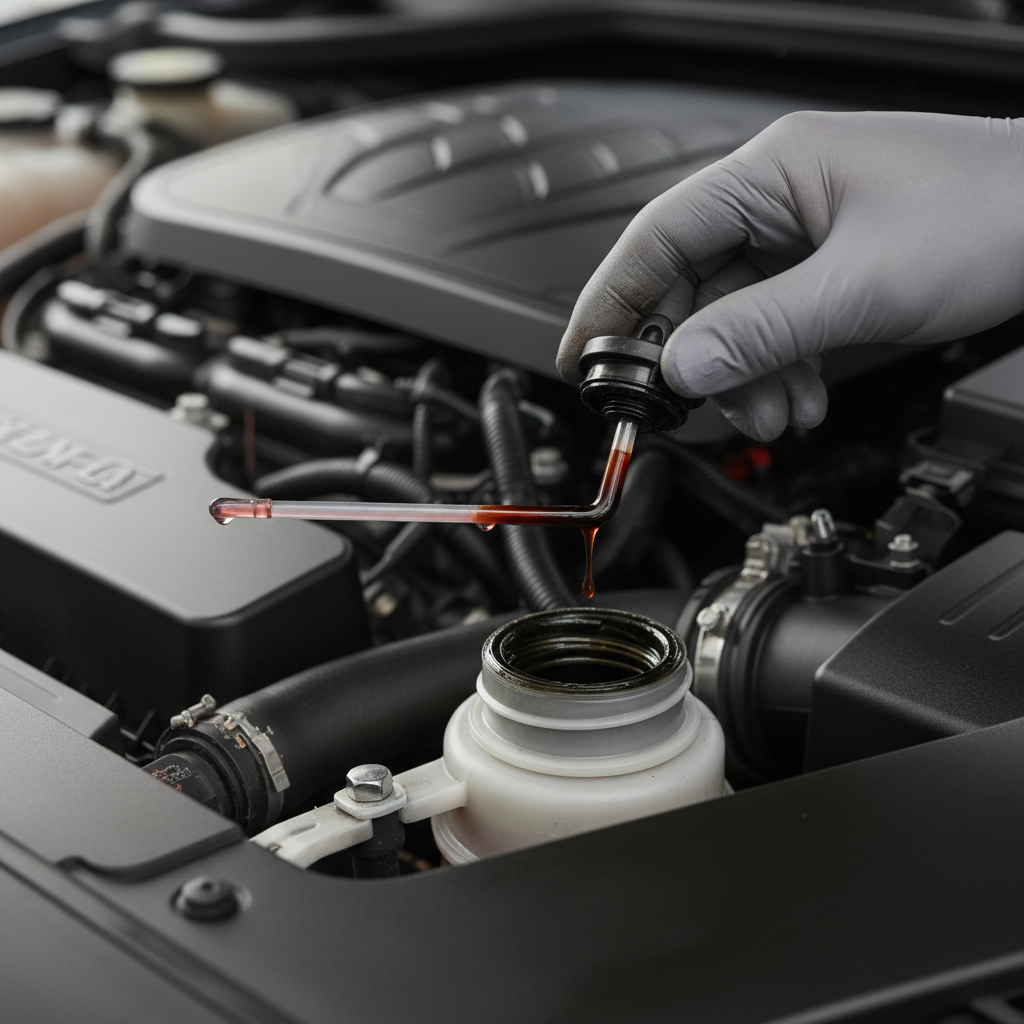
1) Check fluid level and condition (this solves more than you’d expect)
With the engine off, locate the power steering reservoir (some are remote plastic tanks, some integrate with the pump). Look for a dipstick cap or min/max marks.
- Level low: likely leak or recent service issue. Low fluid can make a pump whine fast.
- Fluid looks foamy: air intrusion, often from a loose clamp, cracked return hose, or low fluid pulling air.
- Fluid dark/burnt smell: overheated or old fluid, sometimes from chronic aeration or a stressed pump.
Important: many vehicles specify a particular fluid type (some use ATF, some use dedicated power steering fluid, some use CHF-style hydraulic fluid). Using the wrong one can create noise and seal issues. Check the cap label, owner’s manual, or service info.
2) Look for leaks and air entry points
If the level is low or the fluid looks aerated, leaks become your prime suspect. Don’t just look at the ground, look for “wet dust” buildup.
- Pump body and front shaft seal area (behind the pulley)
- High-pressure hose crimp fittings
- Return hose and clamps (common air-leak area even when fluid doesn’t drip much)
- Steering rack boots and lines
If you see dampness but no drips, wipe it clean, drive for a day, then recheck. Fresh wetness tells you more than old grime.
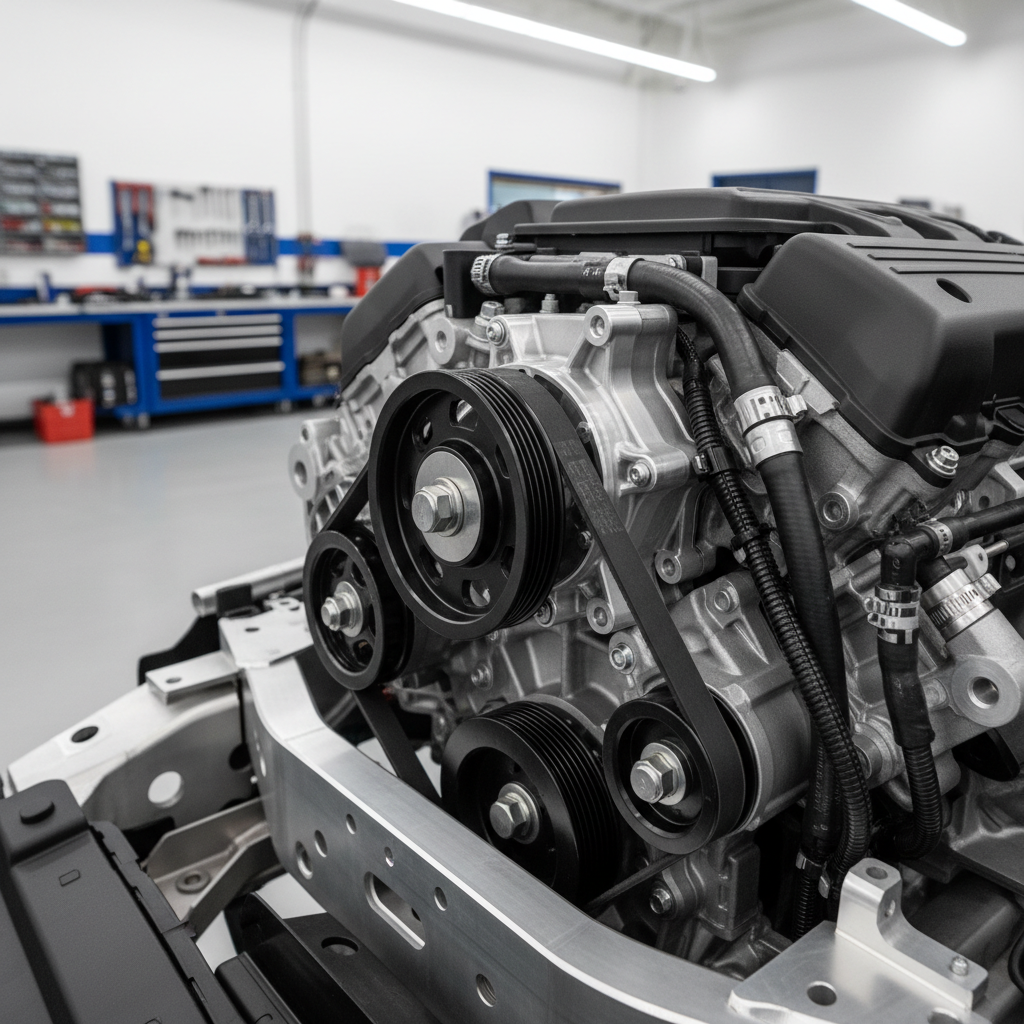
3) Quick belt and pulley check (squeal often lives here)
Many “pump noises” are actually belt slip, especially when turning at low speed increases load. With the engine off:
- Inspect the serpentine belt for glazing (shiny surface), cracks, or missing ribs.
- Check the belt routing and whether the belt seems to sit centered on pulleys.
- Look for wobble in the pump pulley or obvious bracket looseness.
If the squeal happens mainly right at startup and fades, belt tensioner wear becomes likely. A shop can confirm with a quick load test and visual inspection.
4) Steering “load test” to separate air/low fluid vs worn pump
With the hood open, engine running at idle, listen near the pump (keep loose clothing away). Turn the wheel slowly left to right, but don’t hold full lock for more than a second.
- Noise spikes and fluid foams: air in system or low fluid, fix leaks and bleed.
- Noise constant and louder with RPM: pump wear or restriction; also consider clogged reservoir screen (on some models).
- Growl plus heavy steering: higher concern, could be pump failure, low fluid, or steering gear issue.
If steering assist cuts in and out, stop testing and consider towing to avoid losing assist unexpectedly.
Common causes and what they look like in real life (with a quick table)
Here’s a practical mapping between symptoms and likely causes. It’s not perfect across every model, but it’s a solid starting point for most hydraulic power steering systems.
| Symptom | Most likely causes | What to check first |
|---|---|---|
| Whine that rises with RPM | Low fluid, air in system, inlet restriction | Fluid level/foam, return hose/clamps |
| Groan when parking or turning slowly | Aerated/old fluid, pump wear | Fluid condition, leaks, bleed procedure |
| Squeal on turns | Serpentine belt slip, weak tensioner | Belt condition, pulley alignment |
| Rattle/knock near pump pulley | Loose pulley/bracket, failing bearing | Pulley wobble, fasteners, bearing play |
| Intermittent heavy steering + noise | Very low fluid, pump failing, rack issue | Stop driving, inspect for leaks, get diagnosis |
Fixes you can try (and what to avoid)
The right “fix” depends on what your checks found. The goal is to remove the root cause, not mask the sound.
If fluid is low
- Top off with the correct fluid type, then recheck level after a short drive.
- If the level drops again, plan on leak repair, topping off repeatedly is a temporary move.
If fluid is foamy or you suspect air
- Inspect return hose and clamps carefully, small air leaks can be surprisingly noisy.
- Bleed the system as your vehicle service procedure describes; many can be bled by turning lock-to-lock slowly with the front wheels slightly off the ground, but procedures vary.
- If foam keeps returning, treat it as an air-entry or suction-side issue, not just “needs more fluid.”
If the belt is squealing
- Replace a worn belt, and don’t ignore the tensioner or idler pulley if they feel rough.
- Avoid “belt dressing” sprays, they can quiet noise briefly but often contaminate pulleys and attract dirt.
If you strongly suspect pump wear
Pump replacement can solve the noise, but a pump that fails early often got taken out by contamination or chronic aeration. If you replace a pump, many shops will also recommend flushing, and in some cases replacing hoses or the reservoir if it contains a filter screen.
Key takeaways before you spend money
- Low or aerated fluid is a frequent cause of pump whine, and it often traces back to a small leak or loose clamp.
- Squeal commonly points to belt drive issues, not the pump internals.
- Don’t hold the wheel at full lock for long, it spikes pressure and can worsen noise.
- If steering gets heavy or inconsistent, treat it as a safety issue and limit driving.
When to stop DIY and get professional help
Some situations are doable at home, others cross into safety or require special tools. A cautious rule: if you can’t confidently identify the fluid type, find the leak source, or verify belt hardware condition, a professional diagnosis may save money.
- Steering becomes hard suddenly or assist comes and goes
- You see active leaking (drips) or fluid spraying around the pulley
- Noise includes knocking or the pulley visibly wobbles
- You suspect rack-and-pinion internal leak (wet boots, fluid inside boots)
According to AAA, unexpected vehicle mechanical issues can increase roadside risk; if steering feel changes quickly, choosing a tow instead of “one more trip” is often the safer call.
Conclusion: a simple path to a confident diagnosis
If you’re figuring out how to check car power steering pump noise, start with the easy wins: fluid level and condition, signs of air, and belt health. Those three checks cover a big chunk of real-world cases, and they also tell you whether you’re looking at a leak repair, a bleed and fluid service, or a deeper hardware problem.
Your next action can be simple: inspect the reservoir and hoses today, then decide whether you’re comfortable bleeding/servicing the system or prefer a shop to pressure-test and confirm the failing part before replacement.
FAQ
How do I know if the power steering pump noise is low fluid or a bad pump?
Low fluid often comes with a quick whine on turns, a reservoir level below the mark, and sometimes foamy fluid. A bad pump tends to stay noisy even after correcting level and bleeding, and it may get louder with RPM.
Is it normal for the pump to groan at full lock?
A brief change in sound can happen at full lock because pressure peaks, but it shouldn’t be loud or persistent. Holding full lock for more than a moment can stress the system and make existing problems louder.
Can the wrong power steering fluid cause whining?
Yes, it can in many cases. Different fluids have different viscosity and additive packages, and using the wrong type may lead to noise, foaming, or seal compatibility issues. Check the cap label or manual before topping off.
How can I tell if the noise is from the belt instead of the pump?
Belt noise is often a sharper squeal, especially on startup or when steering load increases at idle. Visual clues like belt glazing, cracking, or a weak tensioner also push the diagnosis toward the belt drive.
What if my car has electric power steering instead of a pump?
Then this specific pump-based troubleshooting won’t match your system. Electric power steering noises more often relate to the motor, reduction gears, or steering column components, and scanning for fault codes is usually part of diagnosis.
Should I use a stop-leak additive to fix the noise?
It might reduce seepage in some situations, but it can also swell seals or change fluid behavior, and it won’t fix a loose clamp or worn pump. If you’re already hearing loud whining or seeing foam, focus on finding air entry or leaks.
How much does it usually cost to fix power steering pump noise?
Cost varies a lot by vehicle and cause. A belt or fluid service is typically cheaper than a pump replacement, and rack leaks can be more involved. Getting the cause right before replacing parts is where you save money.
If you’re trying to diagnose a stubborn whine and want a more straightforward path, consider scheduling a shop inspection that includes leak tracing and belt drive evaluation, it’s often the quickest way to confirm whether you need a fluid service, hose work, or a pump.