
how to store gasoline safely for car comes down to three things you can control right now: using the right container, picking the right storage location, and handling fuel in a way that limits fumes and ignition risk.
If you only store a small amount “once in a while,” it’s easy to get casual, an old jug in the garage, a quick top-off, cap not fully tightened. But gasoline is a highly flammable liquid, and the most common problems start from boring stuff: heat, vapor buildup, static electricity, and containers that were never meant for fuel.
This guide focuses on practical, U.S.-relevant choices, what to buy, where to store it, how long it typically keeps, and how to move it to your car without turning the task into a safety gamble.
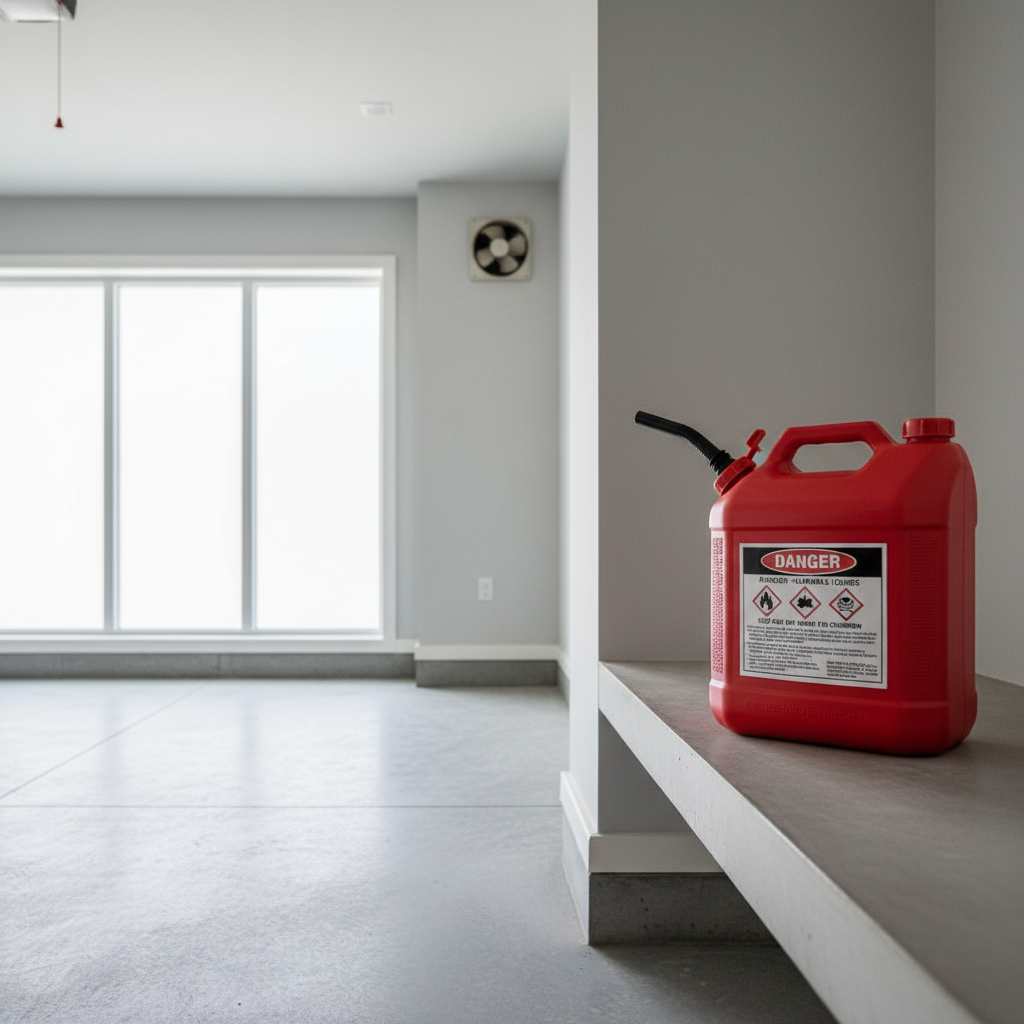
What “safe storage” really means (and what it does not)
When people ask how to store gasoline safely for car use, they often mean “how do I keep it around without issues,” but safety has a narrower definition: reducing chances of ignition, limiting vapor exposure, and preventing spills that can travel to an ignition source.
- Ignition control: keep fuel and vapors away from open flames, sparks, pilot lights, and hot surfaces.
- Vapor control: store in sealed, approved containers, in a cool, well-ventilated area.
- Spill control: stable container placement, good caps/spouts, and a plan for drips during pouring.
It does not mean “hide it anywhere indoors.” A basement, utility room, or near a water heater can be the wrong answer even if it feels convenient.
Common reasons gasoline storage goes wrong at home
Most unsafe situations look normal until they don’t. These are the patterns that show up again and again.
- Wrong container: improvised jugs, old drink bottles, or unmarked cans that don’t seal well, leading to vapor leaks.
- Heat and sunlight: gasoline expands as temperature rises, pressure builds, and caps can vent fumes.
- Stored near ignition sources: garage heaters, furnaces, water heater pilot lights, power tools, or chargers.
- Static during transfer: especially when filling portable containers in a vehicle bed with a plastic liner.
- “Just a little spill” mindset: small drips soak into cardboard, rags, or the garage floor, then linger as fumes.
According to NFPA (National Fire Protection Association), gasoline should be handled and stored with care due to its flammability and vapor behavior, and many household fire-safety recommendations emphasize keeping flammables away from ignition sources.
Pick the right container: what to buy and what to avoid
If you want a simple upgrade that usually makes the biggest difference, start with the container. For how to store gasoline safely for car use, an approved container is non-negotiable.
What “approved” typically looks like
- UL-listed or other recognized safety listing for gasoline containers
- Thick HDPE plastic (common) or metal safety can with flame arrestor (often used in shops)
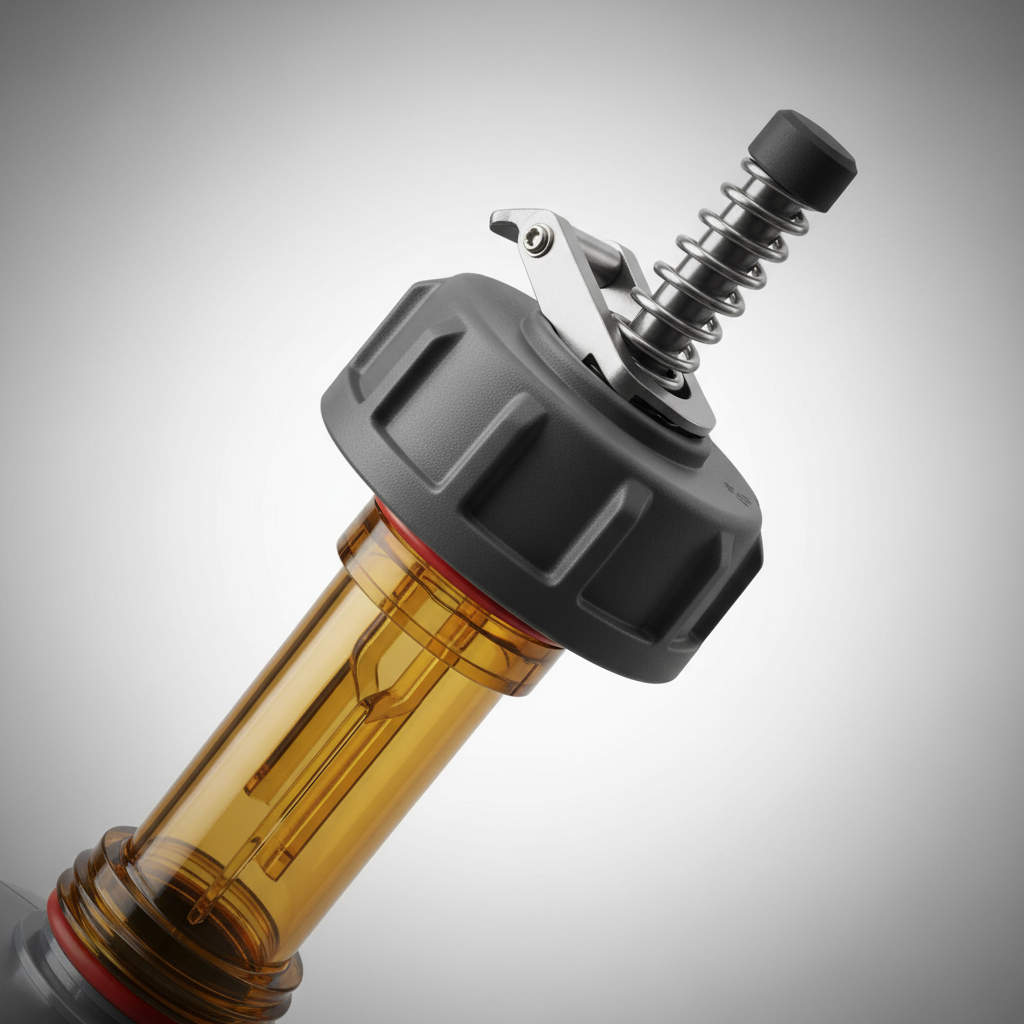
- Secure cap and spout designed to limit leaks and reduce vapor release
- Clear labeling for gasoline, not “multi-use” mystery fuel
Capacity tips that match real life
- 1–2 gallons: easier to lift and pour, good for occasional needs and fewer spill moments.
- 5 gallons: common, but heavy when full, and spills often happen when people rush the pour.
- More than 5 gallons: may be inconvenient and may raise storage-limit concerns depending on local rules and your housing situation.
Skip glass containers, open buckets, and anything that previously held food or drinks. Even if it “holds liquid fine,” it’s not built for gasoline vapors or safe handling.
Where to store gasoline: location rules that actually matter
The “best” place is usually the place that stays cool, dry, and ventilated, while staying away from anything that can spark or flame. Many people default to the garage, which can be fine, but only if you’re thoughtful about where in the garage.
- Choose a cool spot: avoid direct sun and areas that heat up in the afternoon.
- Keep it off the floor if flooding is possible: a low, stable shelf can reduce water contact and corrosion, but keep it from falling.
- Distance from ignition: do not store near water heaters, furnaces, space heaters, grills, or welding equipment.
- Ventilation matters: fumes should not collect, especially in enclosed indoor spaces.
According to OSHA, flammable liquids like gasoline require careful storage and handling to reduce fire risk, and workplace guidance often translates well to home habits: control ignition sources, use proper containers, and keep storage areas suitable.
How long gasoline keeps (and how to tell it’s not worth using)
People often store fuel “for emergencies” and forget it. The catch is that stored gasoline can degrade over time, especially when exposed to heat and air. So how to store gasoline safely for car also includes deciding how much to store and how fast you’ll rotate it.
Typical shelf-life expectations (varies by fuel and conditions)
In many home storage conditions, gasoline quality can drop over months. Temperature swings, partial containers, and frequent opening speed that up. If you’re unsure, treat old fuel cautiously and consider local hazardous waste guidance for disposal.
Quick comparison table
| Situation | What usually happens | What to do |
|---|---|---|
| Sealed approved container, cool storage | Slower degradation | Label date, rotate into your car sooner rather than later |
| Container opened often, warm garage | Faster odor and performance changes | Store less, refill more frequently, tighten cap immediately |
| Old gas with sour/varnish smell | Possible gum formation, rough running | Avoid using in modern engines, seek disposal guidance |
| Visible debris or discoloration | Contamination risk | Do not pour into vehicle tank, consider professional advice |
When in doubt, don’t “test it” in a newer vehicle you rely on daily. Many shops can advise on fuel-related drivability issues, and local waste programs can point you to safe disposal options.
Step-by-step: transferring gasoline into your car with fewer risks
This is the part where most spills happen. Slow down and set it up so your hands are not doing all the work.
Before you pour
- Turn the car off and let hot surfaces cool if you just drove.
- Move away from ignition sources: no smoking, no open flames, avoid running power tools nearby.
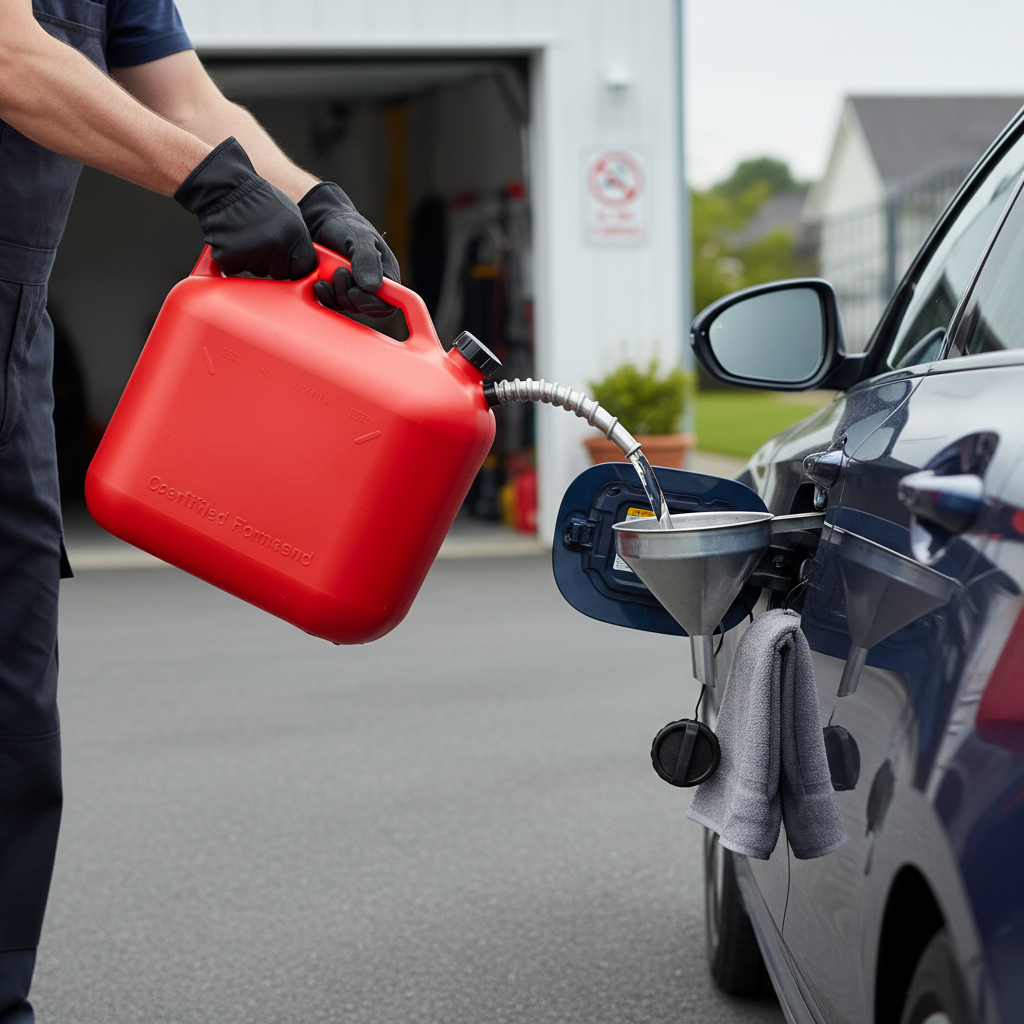
- Place the container on the ground (not in the trunk or truck bed) to reduce static risk during transfer.
- Use a funnel or a no-spill spout and keep absorbent material ready for drips.
During pouring
- Pour slowly and keep the spout in contact with the fill opening when possible.
- Don’t top off aggressively; leave room in the tank neck and in the can for expansion.
- Stop if you smell strong fumes building around you, reposition for better airflow.
After pouring
- Wipe the can if fuel dripped down the side, then cap tightly.
- Let vapors clear before putting the container back in storage.
- Handle rags carefully: fuel-soaked materials can be a fire hazard, follow local guidance and keep them away from heat.
Fast self-check: are you storing fuel safely right now?
If you want a no-drama way to evaluate your setup, run through this list. If you answer “no” to any key item, fix that first.
- My fuel sits in an approved gasoline container with a tight cap.
- The container is clearly labeled and only used for gasoline.
- Storage spot stays cool and out of direct sun.
- Fuel is away from pilot lights, heaters, chargers, and tools that can spark.
- I store a small, realistic amount I can rotate within a reasonable time.
- When refueling, I place the can on the ground and pour slowly.
- I have a plan for spills and disposal, not just “wipe it up.”
If your goal is how to store gasoline safely for car trips, this checklist also helps you decide whether you should store less and simply refill more often, which is usually safer and easier to manage.
Mistakes to avoid (the ones people defend until something happens)
- Storing gasoline inside the home: fumes can travel, and many indoor ignition sources are not obvious.
- Leaving a gas can in a hot car: heat and vapor pressure can build quickly, plus leaks become a bigger deal.
- Mixing fuels: gas, diesel, and two-stroke mixes deserve separate containers with clear labels.
- Using old fuel “because it’s probably fine”: modern engines can be less forgiving, and the hassle can outweigh the savings.
- Overbuying for storms: buying more than you can store properly creates extra risk in a hurry.
According to U.S. Consumer Product Safety Commission (CPSC), consumers should use approved containers for gasoline and handle flammable liquids carefully to reduce fire and injury risk.
When to get professional help (or at least outside guidance)
If you smell gasoline regularly in your garage, see recurring damp spots near the container, or suspect a leak in your vehicle fuel system, pause and get help. A mechanic can diagnose fuel system leaks, and local fire departments or hazardous waste programs can often point you to safe storage and disposal rules in your area.
If a large spill occurs, or fumes feel overwhelming, it may be safer to contact local authorities or a qualified cleanup service rather than experimenting with home remedies. Gasoline vapors can ignite easily, and ventilation alone may not solve it quickly.
Conclusion: a safer setup is usually simpler, not more complicated
How to store gasoline safely for car use is mostly about making a few conservative choices: buy an approved container, keep fuel cool and away from ignition sources, store only what you can rotate, and pour slowly with the can on the ground. If your current setup relies on luck, that’s your cue to tighten it up this weekend.
Two practical next steps: check your container and cap condition today, then label your can with the fill date so rotation becomes automatic instead of a guessing game.