
how to clean cup holder coasters in car comes down to two things: knowing what the coaster is made from, and cleaning the spill without pushing grime deeper into the texture.
If your cup holders smell like old coffee, feel tacky from soda, or look permanently “gray,” you’re not alone, coasters trap moisture and crumbs, and cars amplify odor because they heat up and stay closed.
This guide keeps it practical, how to identify your coaster material, what to use (and what to skip), plus a few routines that keep the mess from coming back.
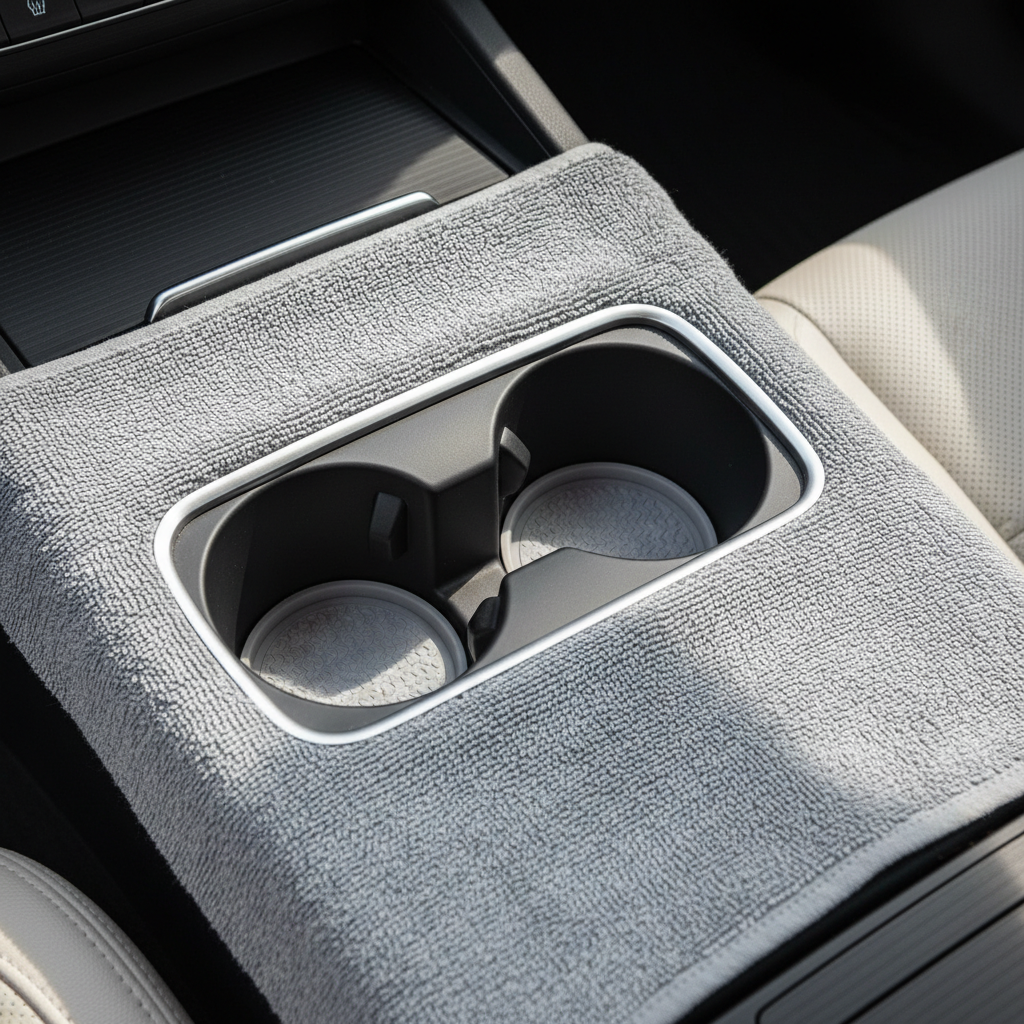
What makes cup holder coasters get so gross in the first place
Most buildup comes from a mix of spilled sugar, oils from hands, dust, and heat, then it “sets” over time. The coaster acts like a shallow tray, so liquid doesn’t drain, it just spreads.
- Sugary drinks leave a sticky film that grabs lint and crumbs.
- Coffee and tea stain quickly, especially on light silicone or fabric-like inserts.
- Condensation keeps things damp, that’s where musty odor starts.
- Heat cycles in a parked car can bake residue onto rubber or silicone.
One more thing people miss: if the cup holder itself is dirty, a freshly washed insert goes right back into a grimy pocket and picks up the smell again.
Quick self-check: identify your coaster material before you start
Cleaning gets easy when you match the method to the material. If you’re unsure, test any cleaner on the underside first and give it a minute, discoloration usually shows fast.
| Coaster type | How it feels/looks | Best cleaning approach | What to avoid |
|---|---|---|---|
| Silicone | Flexible, rubbery, often patterned | Warm soapy soak + soft brush | Strong solvents that may dull surface |
| Rubber / TPE | Slightly stiffer, matte, grippy | Soap + gentle scrub, rinse well | Harsh degreasers, very hot water |
| Carpet/felt style insert | Fabric texture, absorbs liquid | Vacuum + spot clean, minimal water | Soaking, it can trap odor |
| Plastic tray insert | Hard shell, smooth surface | All-purpose cleaner + wipe | Abrasive pads that scratch |
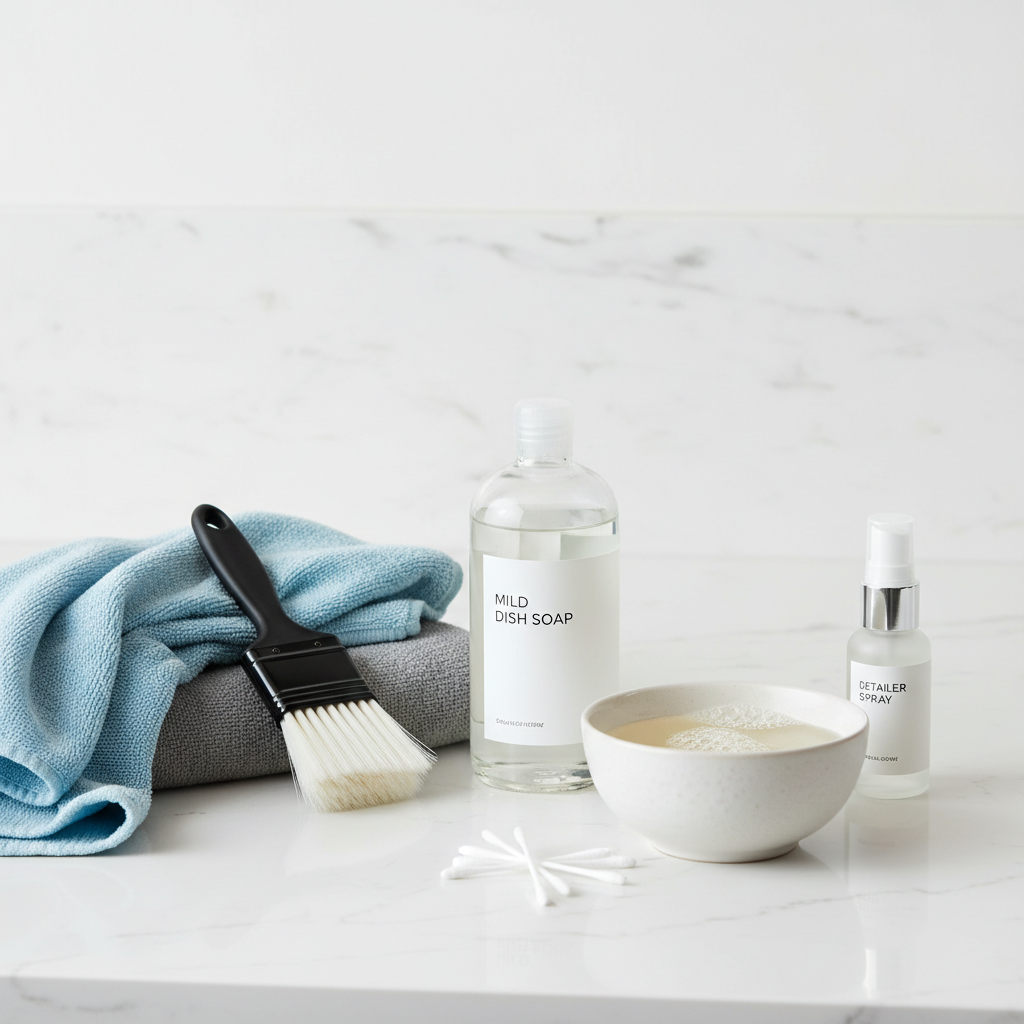
What you’ll need: simple tools that usually work
You don’t need a full detailing kit, but the right basics prevent scratches and weird chemical reactions.
- Warm water + mild dish soap for most silicone/rubber inserts
- Microfiber cloth to lift film without leaving lint
- Soft brush (old toothbrush or detailing brush) for grooves
- Cotton swabs for the cup holder walls and tight corners
- White vinegar (optional) for odor and mineral film, diluted
- Baking soda (optional) for stubborn smells, especially fabric inserts
According to the U.S. Environmental Protection Agency (EPA), you should always read and follow the label directions on cleaning and disinfecting products, and ensure good ventilation during use.
Step-by-step: how to clean cup holder coasters in car without making a bigger mess
This sequence works because it separates cleaning the insert from cleaning the holder pocket, and it avoids turning crumbs into sludge.
1) Remove, shake, and dry-debris first
Pull the coasters out, then knock loose crumbs into a trash can. If the insert is fabric-like, a quick vacuum pass helps a lot.
2) Wash the coaster (method by material)
- Silicone/rubber: soak 10–15 minutes in warm soapy water, scrub grooves gently, rinse until the water runs clear.
- Plastic: spray with a mild all-purpose cleaner or use soapy water, wipe, then rinse.
- Carpet/felt: avoid soaking, lightly mist soapy water, blot with microfiber, then blot again with clean water.
3) Clean the cup holder pocket itself
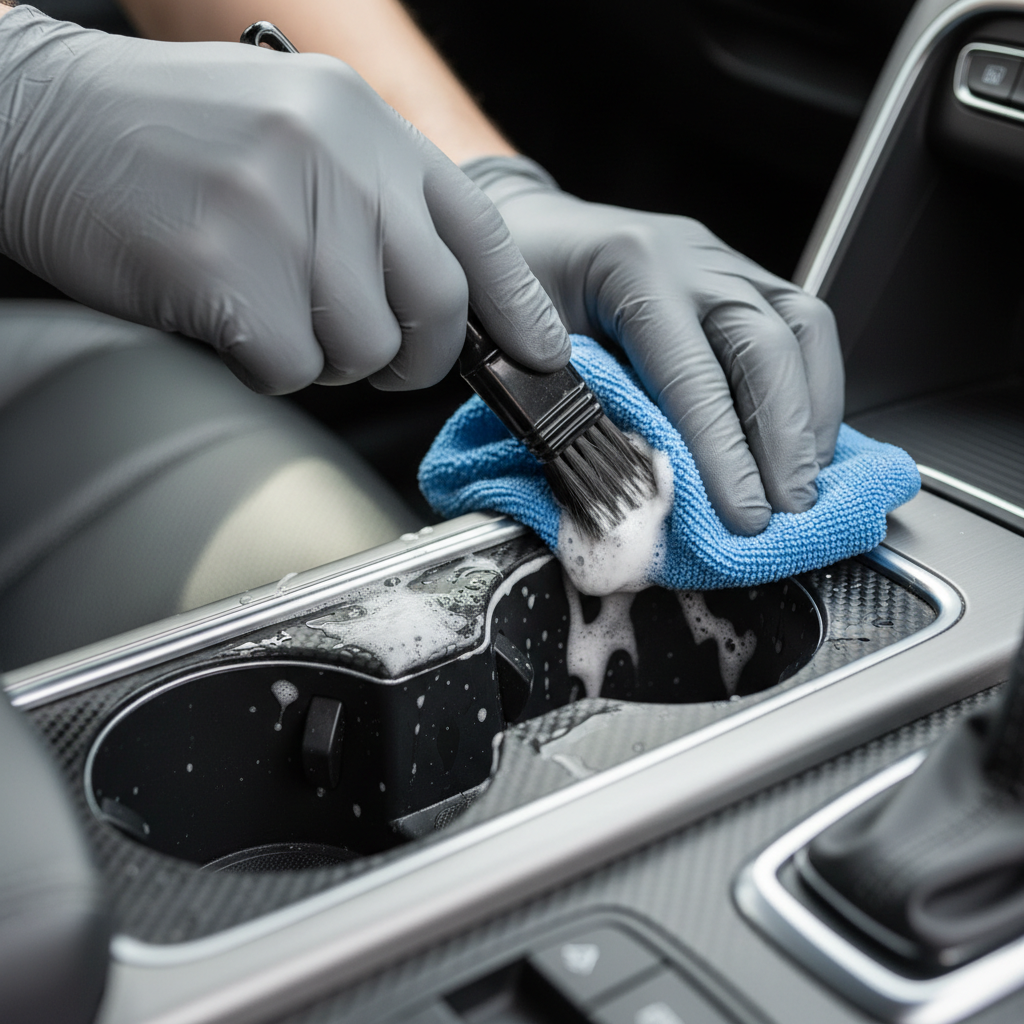
Use a slightly damp microfiber cloth wrapped around two fingers, then follow with a cotton swab around the rim and seams. If it’s sticky, a drop of dish soap in water beats most “strong” sprays.
4) Dry fully before reinstalling
Air-dry on a towel, and don’t rush this, moisture trapped under inserts is a common reason smells return. If you’re in a hurry, a fan helps more than heat.
Stains and odors: targeted fixes that actually help
If your normal wash leaves a shadow or smell, treat the problem specifically rather than scrubbing harder, aggressive scrubbing can roughen rubber or fuzz fabric inserts.
For coffee, tea, and soda stains
- Try a longer soak in warm soapy water for silicone, then brush the pattern lines.
- For plastic, a soft cloth with diluted vinegar can lift film, rinse well afterward.
- For fabric inserts, spot-clean, blot, and let it dry completely before judging the result.
For sour or musty odor
- Silicone/rubber: quick rinse, then a 1:1 vinegar-water wipe, rinse again, air-dry.
- Fabric: sprinkle a light layer of baking soda, let it sit for a few hours, then vacuum, repeat if needed.
If odor still persists, it may be coming from the cup holder cavity or nearby carpet, not the coaster itself, at that point, a deeper interior clean can matter more than repeated washing.
Mistakes that waste time (or damage the insert)
A lot of “it got worse” stories come from using the wrong product, or skipping drying.
- Soaking fabric inserts until they smell like a damp towel, blot-clean instead.
- Using abrasive scrub pads that scratch plastic and create more places for grime to stick.
- Heavy fragrance sprays that mask odor for a day, then mix with old smells in heat.
- Reinstalling while damp, moisture under the coaster invites recurring funk.
- Overusing harsh solvents, some may soften rubber or fade colored silicone, if you’re unsure, stick with mild soap.
Also, be cautious mixing cleaners. If you use any disinfectant product, follow the label, and if you have sensitivities, it’s reasonable to consult a professional detailer about low-odor options.
A low-effort maintenance routine (so you clean less often)
The easiest way to keep cup holders clean is to shorten the time spills sit there. A quick routine usually beats the occasional “deep clean marathon.”
- Weekly: remove inserts, shake out crumbs, wipe the cup holder rim with a damp microfiber.
- Monthly: wash inserts with warm soapy water, wipe the pocket seams with cotton swabs.
- After a spill: blot immediately, then do a light soap wipe, don’t wait for it to dry sticky.
Key takeaways: match cleaning to material, clean the pocket and the insert, dry fully, and treat odor as a moisture problem as much as a “dirty” problem.
When it makes sense to replace instead of clean
Sometimes cleaning works, sometimes you’re fighting the wrong battle. Replacement is reasonable when the insert stays tacky, has permanent deformation, or the fabric version holds odor even after fully drying.
If the cup holder itself has sticky residue deep in seams you can’t reach, a professional interior detail may be worth it, especially if you’re dealing with smoke odor, mildew concerns, or allergies, these situations vary, and a pro can choose safer products for your materials.
Conclusion: a clean cup holder is mostly about the process
Once you know how to clean cup holder coasters in car in a material-safe way, it stops feeling like a never-ending sticky problem. Pull the inserts, clean them with mild soap, clean the cup holder pocket too, then let everything dry all the way.
If you want one action to take today, wash the inserts and wipe the cup holder seams, that combo fixes most smells and the “why is this still sticky” mystery.