
how to check power steering fluid is one of those quick checks that can save you from stiff steering, annoying whining noises, and a pump that wears out earlier than it should.
If your steering suddenly feels heavy at low speeds, or you hear a groan when you turn the wheel, the fluid level is a smart place to start, because many steering complaints begin with something simple like low fluid or the wrong type.
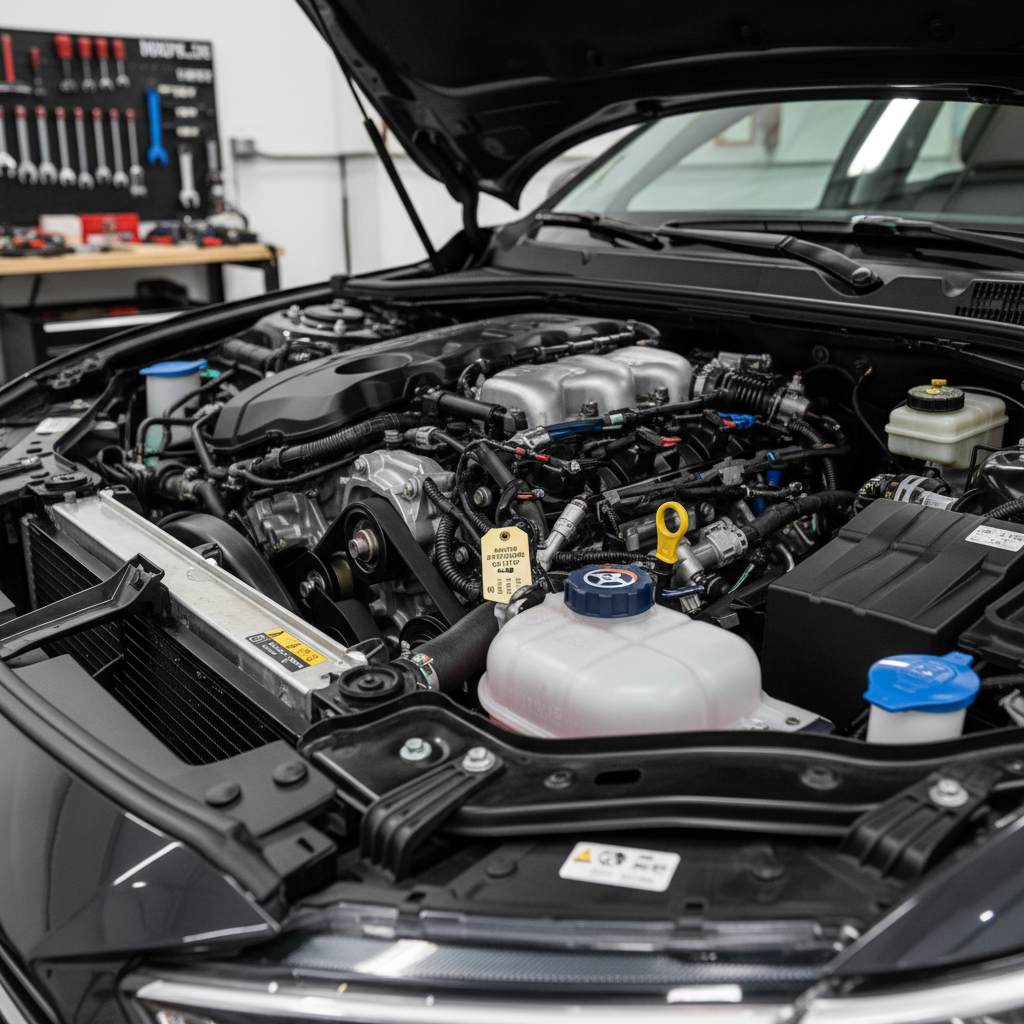
I’ll walk you through the two common reservoir styles, what “hot” vs “cold” marks really mean, how to top off without making a mess, and the moments when adding fluid is just masking a leak.
What power steering fluid does (and why level matters)
Power steering fluid transfers hydraulic pressure so the system can assist your steering input, plus it lubricates internal parts and helps carry heat away. When level drops, the pump can pull air, and that air turns into noise, foamy fluid, and inconsistent assist.
Some newer vehicles use electric power steering and have no fluid to check. If you do not see a reservoir and your owner’s manual mentions EPS, there may be no serviceable fluid system.
Key takeaway: low fluid is often a symptom, not the root cause, and repeated top-offs usually point to a seep or leak.
Before you start: what to gather and what to avoid
You do not need fancy tools, but you do need the right fluid and a little patience. Many avoidable mistakes come from mixing fluids or checking at the wrong temperature.
- Owner’s manual (or cap label): confirms the correct fluid spec, some cars use ATF, others require a specific power steering fluid.
- Clean rag or paper towel: for wiping the dipstick or reservoir neck.
- Small funnel: reduces spills that can smoke when they land on hot components.
- Flashlight: useful on dark reservoirs or cramped bays.
According to NHTSA, drivers should follow the vehicle manufacturer’s maintenance instructions and use recommended fluids, because incorrect products can contribute to component damage.
Find your reservoir type: dipstick cap vs. “see-through” tank
Most systems you can check fall into one of these two setups, and the steps change slightly depending on what you have.
| Reservoir style | How you read it | Common clue |
|---|---|---|
| Cap with dipstick | Remove cap, wipe, reinsert, read level marks | Cap has a long plastic stick with MIN/MAX |
| Translucent reservoir | Read the fluid line against MIN/MAX molded into the tank | You can see fluid through the plastic |
If you’re not sure you found the right cap, look for steering wheel iconography or text that references “power steering.” Also, do not confuse it with brake fluid, which is usually near the firewall and uses a different spec entirely.
Step-by-step: how to check power steering fluid correctly
Checking is quick, but doing it cleanly and consistently takes a small routine, especially around hot and cold markings.
1) Park safely and decide “cold” vs “hot” reading
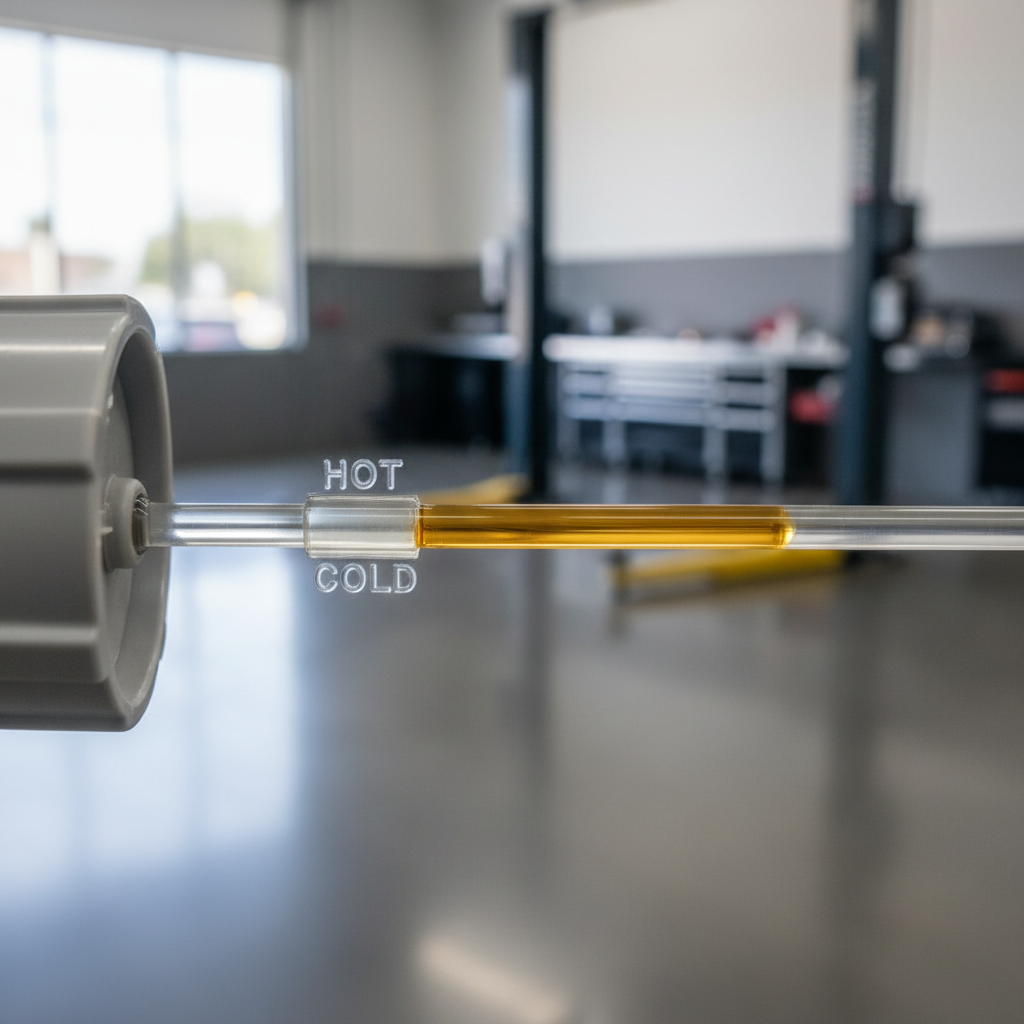
Park on level ground, set the parking brake, and shut the engine off. Many reservoirs have both COLD and HOT ranges, and the correct range depends on whether the fluid has warmed up.
- If the car has been sitting for a few hours, use the COLD marks.
- If you drove 10–20 minutes and everything is at operating temp, use the HOT marks.
Mixing these up is a common reason people think they are “low” when they are not.
2) Clean around the cap before opening
Wipe dust and grit off the cap and reservoir top. That little step helps keep contamination out of the system, which matters more than people expect.
3) Read the level (dipstick style)
- Unscrew the cap.
- Wipe the dipstick clean.
- Reinsert fully, then remove again to read.
- Confirm the fluid falls between MIN and MAX for the correct temperature range.
4) Read the level (translucent reservoir style)
- Use a flashlight if needed.
- Check that the visible fluid line sits between MIN and MAX.
- If the plastic is stained dark, a quick side-angle view often helps more than looking straight on.
5) Look at fluid condition, not just the height
Level tells you “how much,” but color and smell hint at “how healthy.” In many cases, fluid that is very dark, smells burnt, or looks foamy suggests overheating, aeration, or contamination.
- Normal-ish: clear to light amber (varies by brand), no burnt odor.
- Concerning: very dark, smoky smell, visible bubbles/foam, or metallic shimmer.
Quick self-check: do you actually have a fluid problem?
Before you top off, match what you see with what you feel. This saves time and helps you avoid “treating” a different issue, like a belt problem or worn steering components.
- Whining or groaning when turning: often low fluid or air in the system, but can also be a failing pump.
- Steering heavy at idle but improves with revs: can point to low fluid, aeration, or belt slippage.
- Fluid level drops again within days: usually a leak at a hose, clamp, rack, or pump seal.
- No reservoir found: you may have EPS and the issue lives elsewhere.
If you see wetness around hose crimps, the pump body, or along the steering rack boots, assume the system is losing fluid even if the driveway looks clean.
How to top off safely (and keep air out)
If the level is below MIN, adding a small amount is reasonable, but stay disciplined: the goal is to reach the correct range, not to fill to the brim.
- Use the correct fluid: check the manual or reservoir cap. Many vehicles specify ATF or a particular PS fluid spec.
- Add in small increments: a few ounces at a time, then recheck.
- Do not overfill: expansion with heat can push fluid out of the vent and create a mess that looks like a leak.
After topping off, start the engine and slowly turn the wheel left to right a couple times. If the system was low, this helps circulate fluid and may reduce noise, but stop if steering becomes erratic or noise spikes.
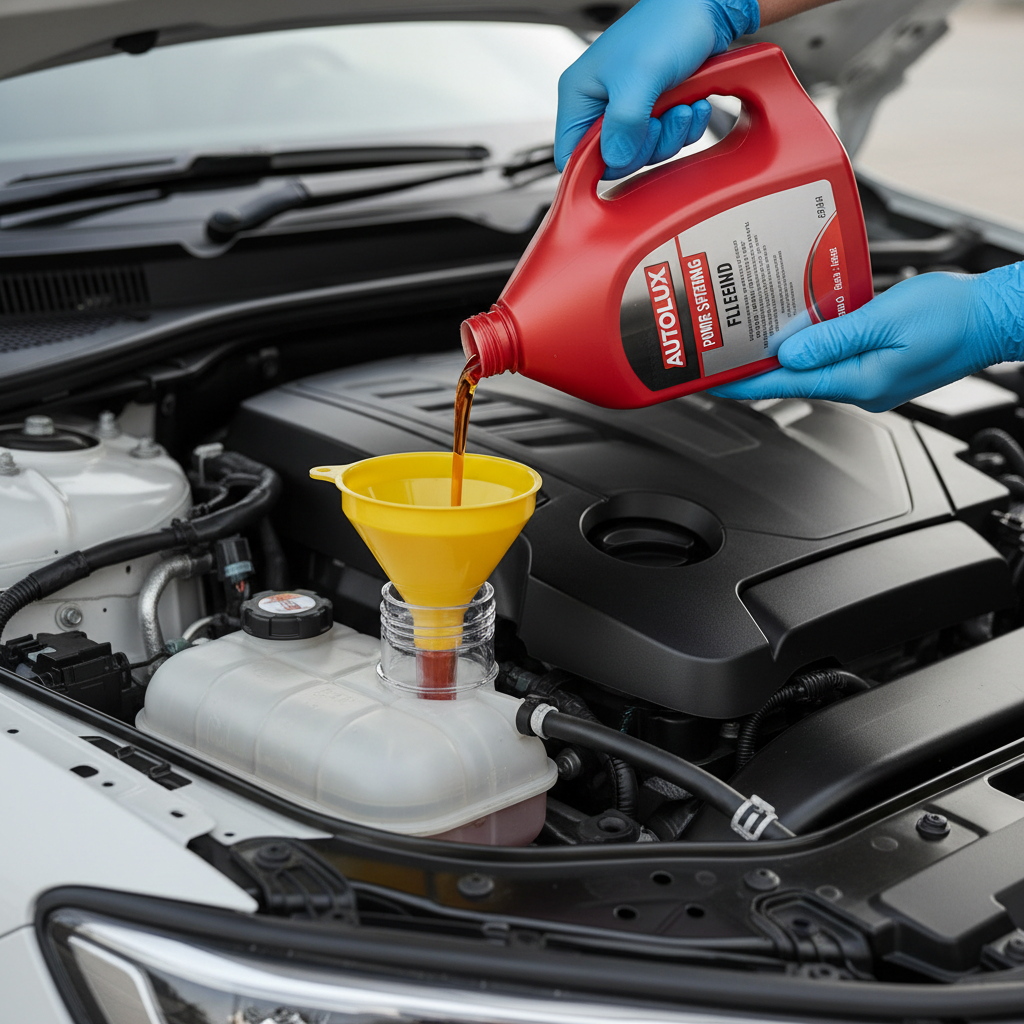
Practical tip: if the fluid looks foamy after topping off, let the car sit and recheck later. Persistent foam can mean air is entering through a loose clamp or failing seal.
Mistakes that waste time (or create new problems)
A lot of “I topped it off and it still feels weird” situations come down to a few repeat offenders.
- Mixing fluid types: the system may not like it, and it can swell seals in some designs. If you already mixed, a shop may recommend a flush, depending on the spec conflict.
- Checking on a slope: gives a false low or false full reading.
- Confusing reservoirs: brake fluid and coolant are common mix-ups, and that mistake can get expensive fast.
- Ignoring the belt: on hydraulic systems, a worn or loose drive belt can mimic low fluid symptoms.
According to AAA, routine under-hood checks and using the correct fluids can help prevent avoidable breakdowns and component wear, even though the exact intervals vary by vehicle.
When to stop DIY and get professional help
Checking and topping off is approachable, but leaks and steering faults can turn into safety issues, so it’s worth drawing a clear line.
- You add fluid more than once in a short period: likely leak, and leaks rarely fix themselves.
- Steering feels unpredictable: sudden changes in assist, binding, or pulling deserves inspection soon.
- Fluid is very dark or smells burnt: may indicate overheating or internal wear, and a flush or component diagnosis may be needed.
- Visible drips near exhaust or hot areas: could smoke, and you may want a shop to confirm source and risk.
If your vehicle has EPS and no fluid reservoir, a warning light or intermittent assist typically needs a scan for fault codes, and that usually goes smoother with a qualified technician.
Conclusion: a small check that can prevent bigger steering trouble
Once you know your reservoir style and the right temperature marks, how to check power steering fluid takes a couple minutes and gives you a clear signal about what to do next. If the level is slightly low, topping off with the correct spec often improves noise and feel, but if the fluid keeps dropping, treat it as a leak to diagnose rather than a “maintenance refill.”
If you want a simple plan, check your level today, note the reading, then recheck in a week. Any noticeable drop is your cue to inspect hoses and seals or schedule a professional look.
FAQ
How often should I check power steering fluid?
Many drivers glance at it during oil changes or monthly under-hood checks. If you suspect a leak or hear noise during turns, check sooner and track whether the level changes over time.
Can I drive if my power steering fluid is low?
Sometimes you can, but steering may feel heavier and the pump can run hotter and wear faster. If steering effort spikes suddenly or feels inconsistent, it’s safer to limit driving and consider a professional inspection.
Does power steering fluid go bad, or only leak out?
Both happen. It can darken and degrade from heat and shear, and it can leak from hoses, clamps, the pump, or the rack. Condition checks help you decide if you’re dealing with age or a loss.
What if the fluid level looks fine but I still hear whining?
Whine can come from aeration, a loose belt, a restricted hose, or a pump that is wearing out. If the fluid looks foamy or the sound changes with engine RPM, it’s worth having the system inspected.
Is it okay to use ATF instead of power steering fluid?
Some vehicles specify ATF and will say so in the manual or on the cap, others do not. Use the specified fluid, because “close enough” can cause seal issues in some designs.
Why does my reservoir look overfull after I topped off?
You may have checked against the wrong temperature marks, or the system warmed up and expanded. Overfilling can push fluid out of the vent and create a messy film that looks like a fresh leak.
My car has electric power steering—what do I check instead?
If there’s no reservoir, you’re usually looking at battery/charging health, steering-related fuses, and diagnostic trouble codes. A shop can scan modules and pinpoint whether the issue is a sensor, motor, or wiring concern.
If you’re trying to keep maintenance simple, it helps to keep a small funnel and the correct fluid spec on hand, then log your reservoir reading the same way you track tire pressure, quick checks catch slow leaks before they become a steering surprise.