how to improve gas mileage in car is usually less about one magic trick and more about stacking a few practical habits, maintenance basics, and small setup changes that stop your engine from working harder than it needs to.
If you drive in the U.S., fuel prices and long commutes make MPG feel personal, and it’s frustrating when your car seems to drink gas even though nothing “feels” wrong. The good news, many mileage killers are subtle and fixable without turning you into a mechanic.
Below is a real-world approach: identify what’s dragging mileage down, run a fast self-check, then apply fixes in the order that usually pays off. No hype, just what typically moves the needle for most drivers.
Why your MPG drops (the usual suspects)
Fuel economy often slips for boring reasons. Not dramatic failures, just friction, drag, and wasted energy that accumulates every day.
- Underinflated tires: More rolling resistance, more fuel burned.
- Aggressive acceleration and braking: The engine spends more time in high-consumption zones.
- High speeds: Aerodynamic drag climbs fast as speed rises.
- Extra weight and roof racks: Weight hurts in stop-and-go, roof boxes hurt at highway speed.
- Neglected maintenance: Dirty air filters, wrong oil viscosity, worn spark plugs (where applicable).
- Short trips: Cold engines run richer, and many trips end before the car reaches efficient operating temperature.
- Idle time: Drive-thrus, warming up “just because,” long pickups.
According to the U.S. Department of Energy, aggressive driving and speeding can reduce fuel economy significantly, especially in city driving where hard acceleration is common.
A quick self-check: what type of MPG problem do you have?
Before you spend money, pin down the pattern. This keeps you from fixing the wrong thing.
Fast questions that narrow it down
- Did MPG drop suddenly? Think tire pressure, a stuck brake caliper, a new commute, or a warning light.
- Did MPG drop gradually? Often maintenance drift, tire wear, seasonal fuel blends, or driving habits.
- Mostly city driving? Weight, stop-start technique, idling, and route choice matter more.
- Mostly highway driving? Speed, roof rack/box, headwinds, and tire pressure become bigger.
- Any check engine light? Don’t ignore it, a sensor issue can skew fuel mixture.
If you want to be methodical, reset your trip meter, run one week “as usual,” then one week with changes. Small differences show up fast.
High-impact driving habits that boost gas mileage
This is where most drivers get the fastest results. And yes, it can feel slow at first, then you adapt.
Drive smoother, not slower for the sake of it
- Accelerate like there’s a cup of coffee in the car: steady throttle, no surges.
- Look further ahead: early coasting beats late braking.
- Use cruise control selectively: helpful on flat highways, less helpful in hilly terrain where it may hunt gears.
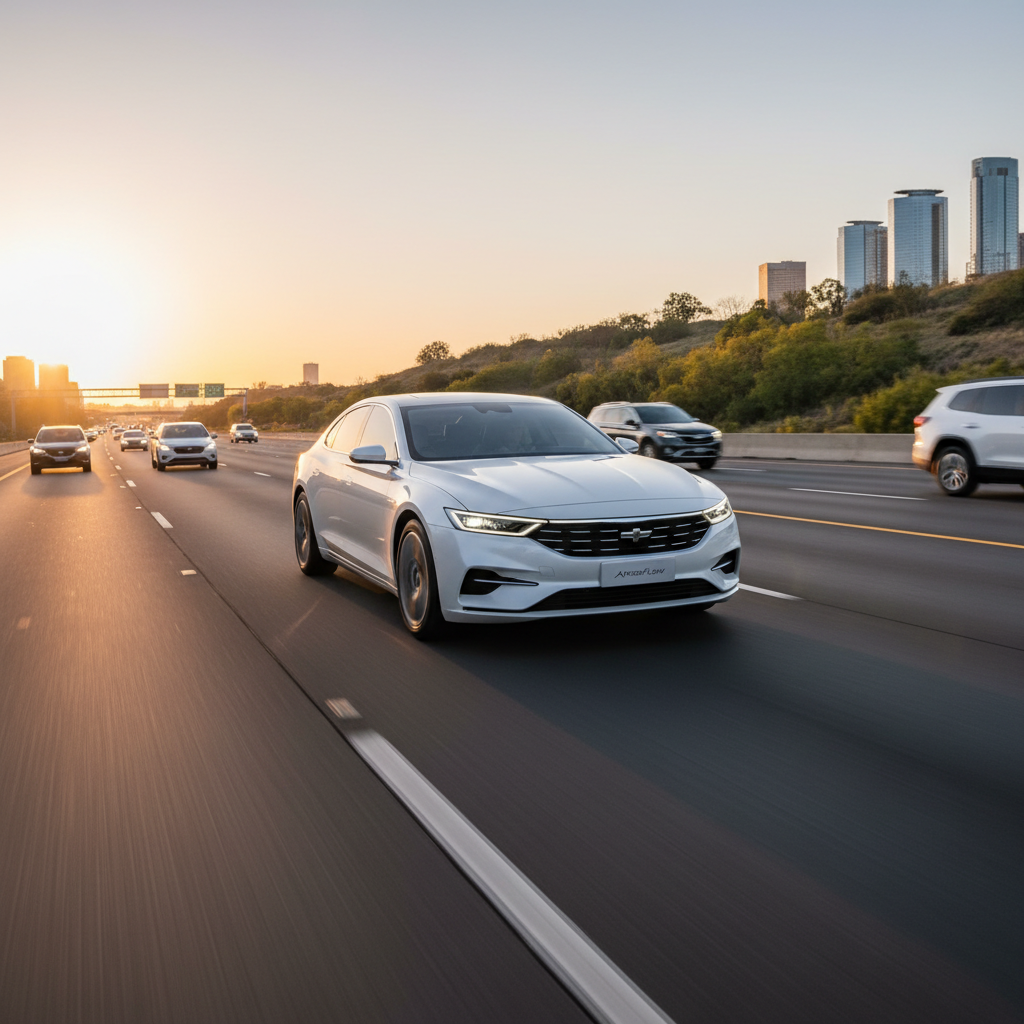
- Keep highway speed reasonable: even a small speed reduction can improve MPG because drag rises quickly at higher speeds.
Cut idle time without making life harder
- Skip long warm-ups in mild weather, many modern cars don’t need them. In extreme cold, follow your owner’s manual and use judgment.
- If you’re waiting more than a minute or two, turning the engine off may help, but it depends on your vehicle and battery health.
According to the U.S. Environmental Protection Agency, avoiding aggressive driving and reducing unnecessary idling are common recommendations for improving fuel economy.
Maintenance basics that usually pay off
If you’re asking how to improve gas mileage in car, maintenance is the unglamorous answer you can actually control. The trick is focusing on items tied to combustion efficiency and rolling resistance.
Start with tires and alignment
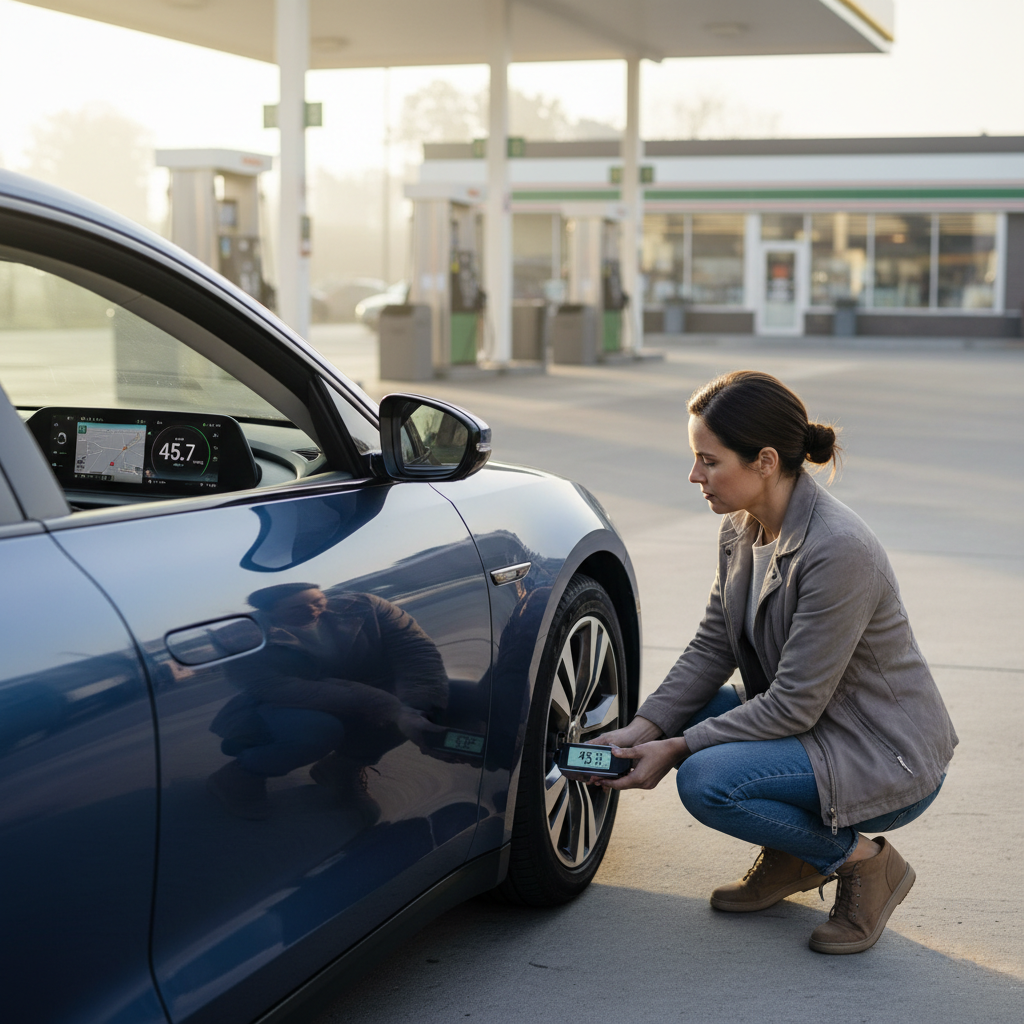
- Check tire pressure monthly and before road trips, use the door-jamb sticker spec, not the tire sidewall maximum.
- Rotate tires on schedule so they wear evenly.
- Get an alignment if the car pulls, steering wheel sits off-center, or tires wear unevenly.
Keep the engine in its happy zone
- Use the recommended oil grade: wrong viscosity can add friction.
- Replace air filter as needed: a severely clogged filter can restrict airflow. Many modern cars compensate well, but if yours is dirty, change it.
- Fix check-engine issues promptly: oxygen sensors, MAF sensors, and misfires can worsen fuel use.
- Stay current on spark plugs if your vehicle has serviceable plugs, worn plugs can hurt efficiency and drivability.
According to AAA, keeping tires properly inflated is one of the simplest ways drivers can help fuel economy and safety at the same time.
Reduce drag and weight (easy wins people forget)
Most cars carry more stuff than drivers realize, and on the highway, roof gear quietly burns fuel.
- Remove roof racks and cargo boxes when not in use, especially for highway-heavy weeks.
- Clear the trunk of tools, sports gear, and “just in case” items you haven’t touched in months.
- Close windows at highway speed: open windows create turbulence; A/C also costs fuel, so test what works for your vehicle and speed.
Don’t obsess over tiny weight changes, but a consistently heavy trunk plus stop-and-go traffic is a real MPG tax.
Plan smarter trips (route choices matter more than people admit)
Sometimes the best way to improve MPG is fewer cold starts and less time crawling.
- Combine errands into one loop so the engine stays warm.
- Avoid peak congestion when possible, traffic patterns can dominate fuel use.
- Choose steady-speed routes even if they’re slightly longer, in many cases they beat stoplight-to-stoplight shortcuts.
- Use navigation with live traffic and compare two routes for a week, then keep the winner.

Quick reference table: MPG actions and when they help most
If you want a simple priority list, use this table to match fixes to your driving mix.
| Action | Best for | Why it helps |
|---|---|---|
| Set tire pressure to door-sticker spec | City + highway | Reduces rolling resistance and uneven wear |
| Smooth acceleration and earlier coasting | City driving | Cuts fuel spikes and wasted braking energy |
| Lower highway cruising speed | Highway driving | Reduces aerodynamic drag |
| Remove roof box/rack when not needed | Highway driving | Lowers drag and wind noise |
| Fix check engine light issues | Any driving | Restores proper air-fuel control and combustion |
| Combine trips to reduce cold starts | Short-trip routines | Warm engine runs more efficiently |
Common mistakes that waste effort (and sometimes money)
There’s a lot of advice online that sounds “car smart” but doesn’t always translate into real MPG for real drivers.
- Overinflating tires beyond the vehicle spec: it can reduce traction and ride comfort, and it’s not a smart efficiency hack.
- Buying bolt-on “MPG gadgets” without evidence: many don’t deliver meaningful gains.
- Ignoring braking issues: a sticking brake caliper or parking brake drag can kill mileage; it also becomes a safety concern.
- Chasing premium fuel unnecessarily: if your manual says regular, premium rarely improves efficiency enough to justify cost.
- Confusing trip MPG with lifetime MPG: measure consistently, same route and conditions, or you’ll blame the wrong factor.
According to the Federal Trade Commission, consumers should be cautious about fuel-saving devices that claim large improvements, and look for credible evidence before spending money.
When to get professional help
If your mileage drop is sharp, paired with rough running, or you smell fuel, it’s time to stop guessing. Safety comes first, and some causes are not DIY-friendly.
- Check engine light that stays on, especially with noticeable performance changes.
- Brake drag symptoms like hot wheels, burning smell, or the car pulling to one side.
- Fuel smell or visible leaks, don’t drive, have it inspected.
- Major drivetrain issues such as slipping transmission or misfires, a shop can scan codes and verify data.
If you’re not comfortable diagnosing these, a reputable mechanic can usually confirm whether you’re dealing with a sensor issue, brake problem, or normal seasonal variation. Many shops can pull OBD-II codes quickly, and that alone often narrows the search.
Practical 7-day action plan (easy to stick with)
When people try to fix MPG, they often change ten things at once and can’t tell what worked. This plan keeps it simple.
- Day 1: Check tire pressure (cold), reset trip meter, note average MPG.
- Day 2-3: Drive smoother, practice early coasting, avoid last-second braking.
- Day 4: Remove roof gear, clear unnecessary trunk weight.
- Day 5: Pick one commute route and stick to it for consistent comparison.
- Day 6: Check maintenance reminders, inspect engine air filter, schedule service if overdue.
- Day 7: Compare MPG to Day 1 baseline and keep the top two changes that felt sustainable.
Key takeaway: how to improve gas mileage in car usually comes down to smoother inputs, correct tire pressure, and fixing small maintenance drifts before they become expensive problems.
If you want, track your next two fill-ups, then commit to just three changes for a month: tire pressure checks, calmer acceleration, and a slightly lower highway speed. Those are boring, but they’re the moves most drivers can actually keep.