
how to diagnose car bad timing belt symptoms usually comes down to noticing a few specific changes in how the engine starts, idles, and responds, then confirming what you can safely check without tearing anything apart.
If you catch timing belt issues early, you often avoid the worst-case scenario: the belt breaks, the camshaft stops in the wrong place, and in many engines that can mean internal damage. Even on engines that survive a belt failure, a tow and repair bill still hurts.
This guide focuses on practical diagnosis for drivers in the U.S., what symptoms tend to mean, what you can verify in your driveway, and when it makes more sense to stop driving and call a shop. I’ll also point out common “false alarms” that get blamed on the timing belt but usually are something else.
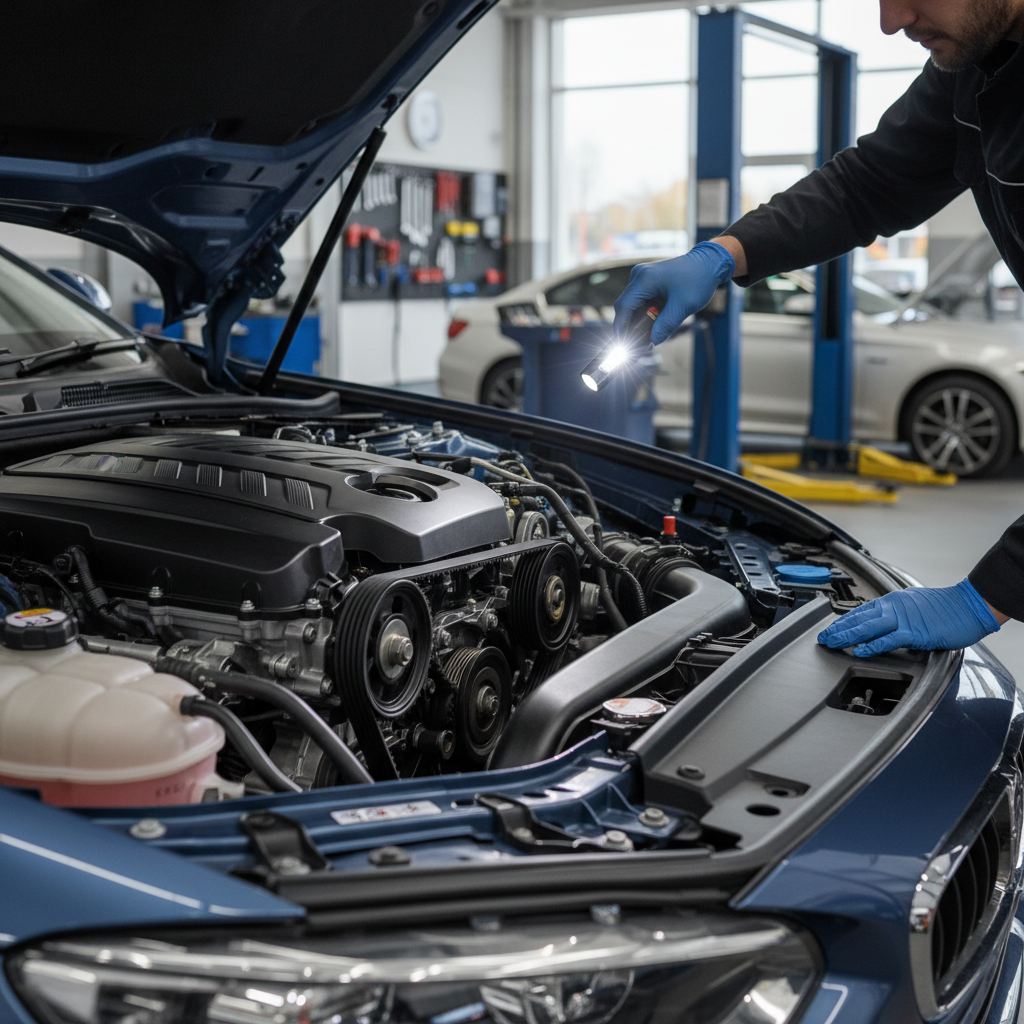
Why a “bad timing belt” shows up as drivability symptoms
A timing belt synchronizes the crankshaft and camshaft so valves open and close at the right time. When the belt stretches, skips a tooth, or the tensioner/idler starts failing, the timing can drift. The engine may still run, but it often feels “off” in ways drivers can notice.
Also, plenty of timing belt jobs fail because of related parts, not the belt material itself. A weak tensioner, noisy idler pulley, or coolant leak from a water pump can shorten belt life and create symptoms before the belt actually snaps.
According to NHTSA, many vehicles have manufacturer maintenance schedules that include timing belt replacement intervals, and ignoring them can increase the risk of a breakdown. The exact interval varies by engine, so your owner’s manual (or an OEM maintenance schedule) matters more than internet averages.
Most common bad timing belt symptoms (and what they typically suggest)
If you’re learning how to diagnose car bad timing belt symptoms, start with patterns that repeat. One weird start on a cold morning can be random, a consistent change over days or weeks usually is not.
- Ticking or slapping noise from the timing cover area: can point to a loose belt, failing tensioner, or idler bearing noise.
- Rough idle or new vibration at idle: sometimes happens if the belt has jumped timing, but it can also be ignition or fuel related.
- Loss of power, sluggish acceleration: may indicate cam timing drift, especially if it feels like the engine “lost its crispness.”
- Hard starting or intermittent no-start: a belt that has slipped can cause extended cranking; a broken belt often causes a sudden no-start.
- Check Engine Light (CEL): common when cam/crank correlation codes show up, but codes need interpretation.
- Misfires that don’t respond to basic tune-up parts: misfire codes plus cam/crank correlation is more suspicious.
Key point: a timing belt rarely “kind of breaks.” It usually degrades, then fails quickly once a tensioner or pulley gives up, or once the belt teeth shear.
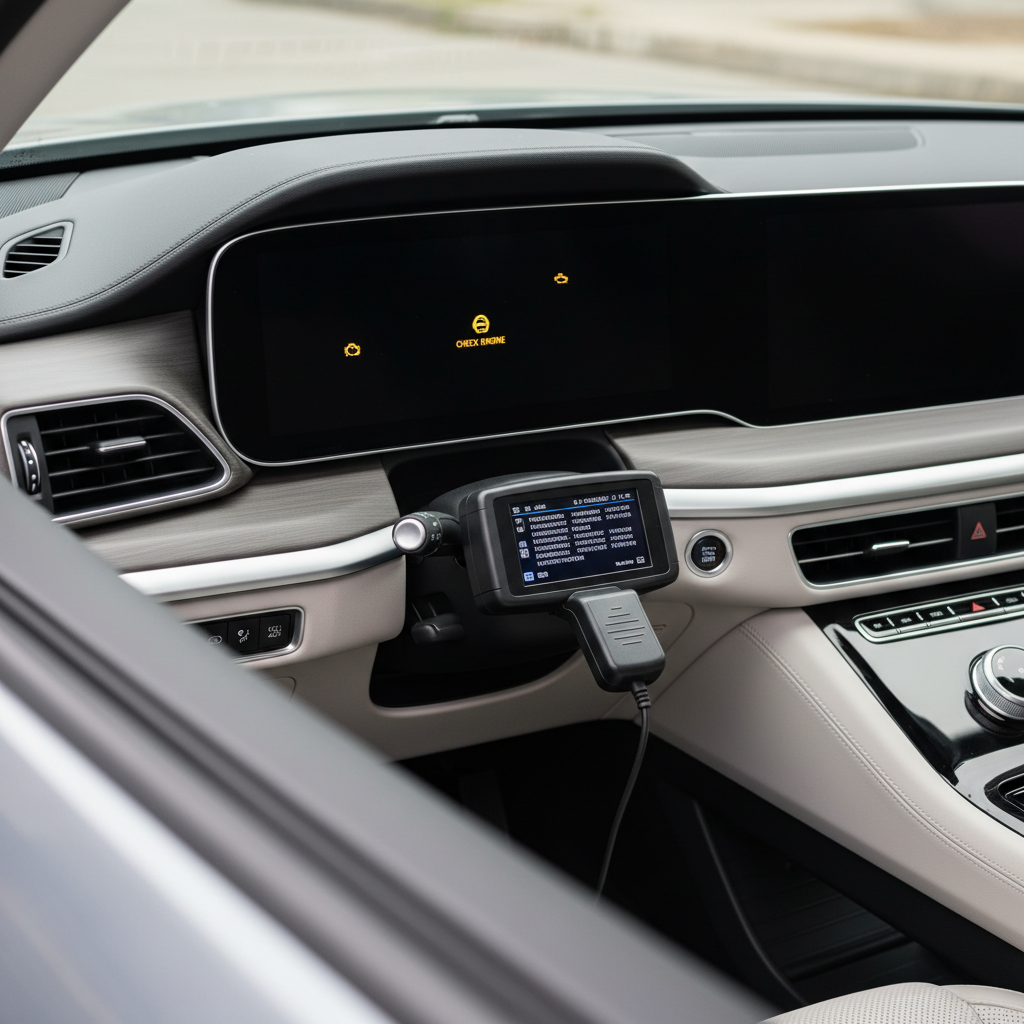
Quick self-check: are your symptoms timing-belt-like or something else?
This is the “don’t overthink it” section. You’re not proving the belt is bad yet, you’re deciding whether timing belt diagnosis is even a reasonable next step.
A fast checklist you can run in 10–20 minutes
- Do you know the belt’s age/mileage? If the interval is unknown and the vehicle is older, suspicion rises.
- Did symptoms appear after a coolant leak or overheating? Coolant contamination can damage belt materials on some setups.
- Is the noise coming from the timing cover area or the accessory belt area? Many “timing noises” are actually alternator/AC/idler issues.
- Any cam/crank correlation codes? P0016/P0017-style codes can be relevant, though they’re not exclusive to belt problems.
- Does the engine crank faster than normal? On some engines, a broken belt can make cranking sound unusually fast and even.
Symptoms that often point away from the timing belt
- Only happens under heavy rain or after washing: more commonly ignition moisture or a belt squeal elsewhere.
- Idle surges mainly with AC on: could be idle control, AC load, vacuum leak.
- Single-cylinder misfire only: often spark plug, coil, injector, compression issues.
Hands-on diagnosis steps that are usually safe at home
When people search how to diagnose car bad timing belt symptoms, they often want a definitive answer without disassembly. Realistically, you can get to “highly likely” at home, and get to “confirmed” with proper inspection tools and access.
1) Pull OBD2 codes and freeze-frame data
If you have a basic scanner, read codes and note when they set. Codes related to cam/crank correlation, variable valve timing performance, or multiple-cylinder misfires can increase suspicion.
- Helpful signals: correlation codes plus rough running plus unknown belt history.
- Less helpful alone: a random misfire code with no other clues.
According to SAE International, standardized OBD-II systems store diagnostic trouble codes and related operating conditions, which can help narrow down whether a fault is intermittent, load-related, or constant.
2) Listen carefully, but don’t guess the source
Open the hood, let the engine idle, and listen near the front of the engine where the timing cover sits. If your car has a transverse engine (common in FWD), that’s usually the passenger side. If it’s longitudinal, timing components are typically at the front.
- A light rhythmic ticking could be many things, including injectors.
- A slap, rattle, or scraping that changes with RPM is more concerning.
If you’re not confident, don’t put hands near moving belts. A shop can use a mechanic’s stethoscope safely and quickly.
3) Check service records and verify the engine type
This sounds boring, but it’s one of the most useful steps. Find out whether you even have a timing belt. Many vehicles use a timing chain, and the symptom list overlaps but the maintenance strategy changes.
- Search your exact year/make/model/engine for “timing belt interval” in the OEM schedule.
- If the belt was replaced, confirm whether tensioner, idlers, and water pump were done too, many failures come from skipped supporting parts.
4) Visual inspection (only if accessible without major disassembly)
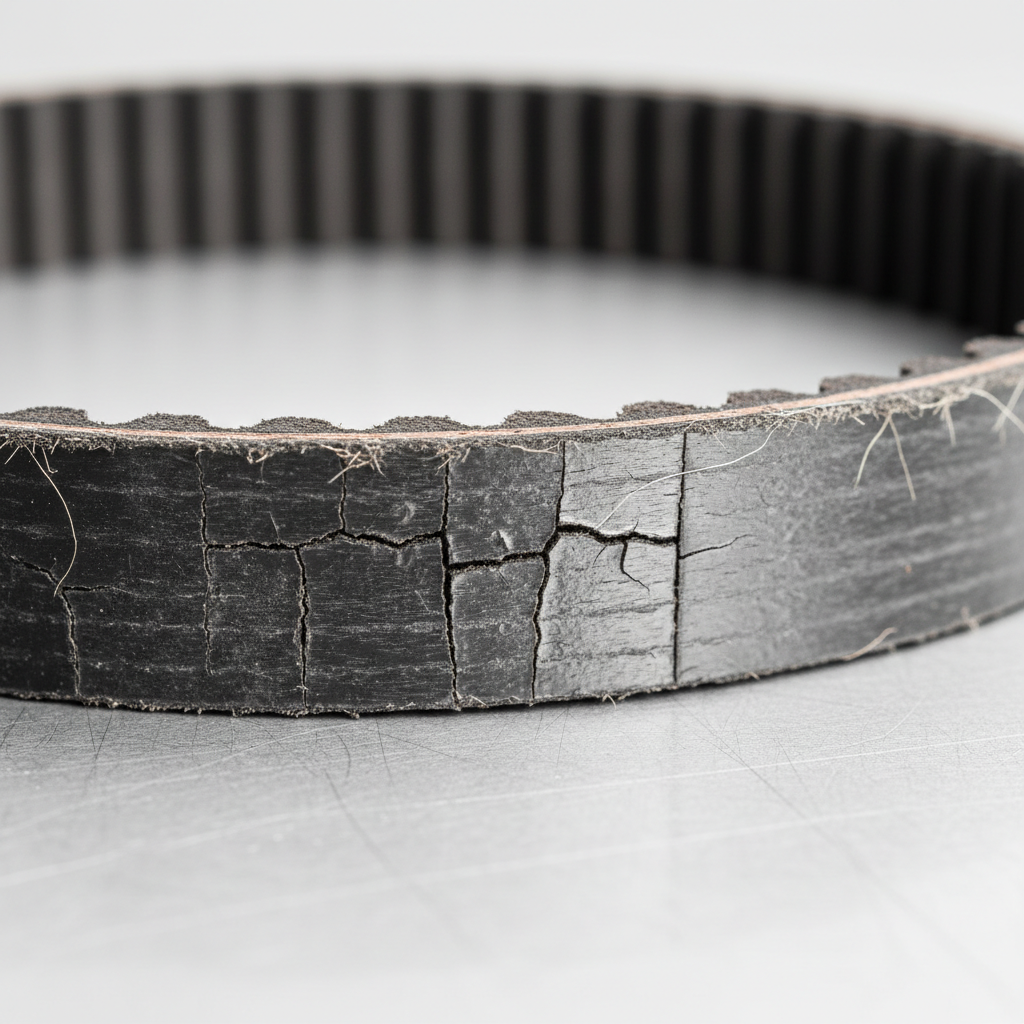
Some engines have small inspection ports or partial covers. If you can see the belt safely with the engine off, look for cracking, glazing, fraying, missing teeth, or oil/coolant contamination. If you can’t see it without removing mounts or major covers, stop here.
Do not run the engine with timing covers removed unless you know the procedure for your specific vehicle, improper reassembly can create bigger problems than the original symptom.
Symptom-to-cause table: what to suspect and what to do next
This table won’t replace an inspection, but it helps you choose the next reasonable step instead of swapping random parts.
| Symptom | What it may mean | What you can do now | When to stop driving |
|---|---|---|---|
| Sudden no-start, engine cranks faster than normal | Possible broken timing belt (or loss of compression timing) | Check for codes, verify belt/chain type, consider tow | Stop if belt engine is interference-type or unknown |
| Rattle/slap near timing cover, worse at startup | Loose belt, failing tensioner/idler | Do not rev, schedule inspection soon | Stop if noise grows rapidly or becomes grinding |
| Rough idle plus cam/crank correlation code | Belt may have jumped timing, sensor issue also possible | Scan codes, check wiring/connectors, book diagnostic | Stop if misfires are severe or power drops suddenly |
| Coolant leak from timing side | Water pump leak can contaminate belt area | Fix leak promptly, ask about belt condition | Stop if overheating occurs or leak is heavy |
| Power loss without codes | Could be belt timing drift, could be fuel/ignition | Basic tune checks first, then timing inspection | Stop if engine shakes violently or stalls repeatedly |
Practical next steps by scenario (what I’d do in your shoes)
Diagnosis is useful only if it leads to a smart decision: keep driving, limit driving, or tow. Timing belts sit in that annoying category where “wait and see” can be expensive.
If the belt interval is overdue or unknown
- Assume replacement is due unless records prove otherwise.
- Ask the shop for a timing belt kit quote (belt + tensioner + idlers, often water pump if driven by the belt).
- If you’re shopping used cars, budget for the job rather than hoping the seller “thinks it was done.”
If you have correlation codes or persistent misfires
- Don’t clear codes immediately, snapshot them and freeze-frame.
- Check obvious wiring issues at cam/crank sensors if accessible, connectors get brittle.
- Book a diagnostic where they can verify mechanical timing, compression, and sensor signals.
If you suspect the belt already slipped
- Limit driving, avoid hard acceleration, and avoid high RPM.
- If the engine runs rough enough to shake the car, a tow is often cheaper than gambling.
Common mistakes that waste time (or make damage more likely)
- Blaming the timing belt for a squeal: squeals usually come from accessory belts, pulleys, or tensioners, timing belt issues are more often rattles, ticks, slaps.
- Replacing cam/crank sensors without a plan: correlation codes can be mechanical timing, sensor signal, or wiring, parts-cannon repairs get expensive.
- Ignoring leaks: oil or coolant near the timing cover deserves attention, contaminated belts and pulleys fail sooner.
- Revving a noisy engine to “see if it goes away”: if a tensioner bearing is failing, higher RPM can be the last straw.
When it’s worth getting a professional inspection right away
If any of these show up, it’s usually time to stop DIY diagnosis and get a shop involved, ideally one that routinely does timing belt service on your brand.
- Sudden no-start on a known timing-belt engine
- Grinding/rubbing noises from the timing side
- Overheating or significant coolant leak near the timing cover
- Severe misfiring that risks catalytic converter damage
Also, if you’re unsure whether your engine is interference-type, treat it cautiously. Many modern engines are interference designs, and a belt failure can bend valves. A qualified technician can confirm engine type and advise on safe next steps.
Conclusion: the safest way to confirm timing belt trouble
how to diagnose car bad timing belt symptoms is really about combining three things: symptom patterns you can feel, code context you can read, and maintenance history you can verify. If those three line up, you don’t need to wait for a breakdown to “prove it.”
If you want a simple action plan, do two things: check whether your car uses a timing belt and whether the interval is overdue, then scan for codes before you clear anything. If you hear timing-side slapping or you get a sudden no-start, err on the cautious side and consider towing to avoid bigger engine risk.
FAQ
How do I know if my car has a timing belt or timing chain?
The quickest reliable route is your owner’s manual or an OEM maintenance schedule for your exact engine. Many online listings are right, but trims and engine codes can change year to year, so confirmation matters.
Can a bad timing belt cause a Check Engine Light?
It can. If the belt slips and timing drifts, the ECU may detect cam/crank correlation issues. That said, the same codes can sometimes come from sensor or wiring problems, so treat codes as clues, not a verdict.
What does a failing timing belt sound like?
Often it’s described as ticking, slapping, or a rough rattle from the timing cover side. A high-pitched squeal is more commonly accessory belt related, which is a different repair path.
Is it safe to drive with suspected timing belt symptoms?
Sometimes you can drive a short distance to a shop if the car runs smoothly and symptoms are mild, but risk depends on engine design and symptom severity. If you have loud timing-side noises, severe misfires, or a sudden power drop, driving further may not be worth it.
Will a timing belt always give warning before it breaks?
Not always. Some belts show gradual symptoms, but many failures happen after a tensioner or idler bearing deteriorates quickly, or after contamination weakens the belt. That’s why intervals and leak fixes matter.
Can I diagnose timing belt problems without removing the timing cover?
You can get close using symptoms, codes, and history, but full confirmation often needs at least partial access or professional checks. Some engines have inspection ports; many do not.
What codes are most associated with timing belt issues?
P0016/P0017-style correlation codes are commonly discussed, but they’re not exclusive to belts. A good diagnostic looks at live data, sensor waveforms in some cases, and mechanical timing alignment if needed.
If you’re trying to pin down whether these signs really point to the timing system, a local shop inspection or mobile diagnostic can be a time-saver, especially if you want a clear yes/no before approving a timing belt kit replacement.