
The best car window washer pump is the one that matches your vehicle’s mounting style and electrical connector, pushes steady fluid flow, and doesn’t turn into a leak or loud whine after one winter.
If your washer spray got weak, uneven, or stopped completely, the pump is a usual suspect, but not the only one. A clogged nozzle, cracked hose, frozen fluid, or a failing switch can look like a “bad pump” and waste your time if you buy parts too early.
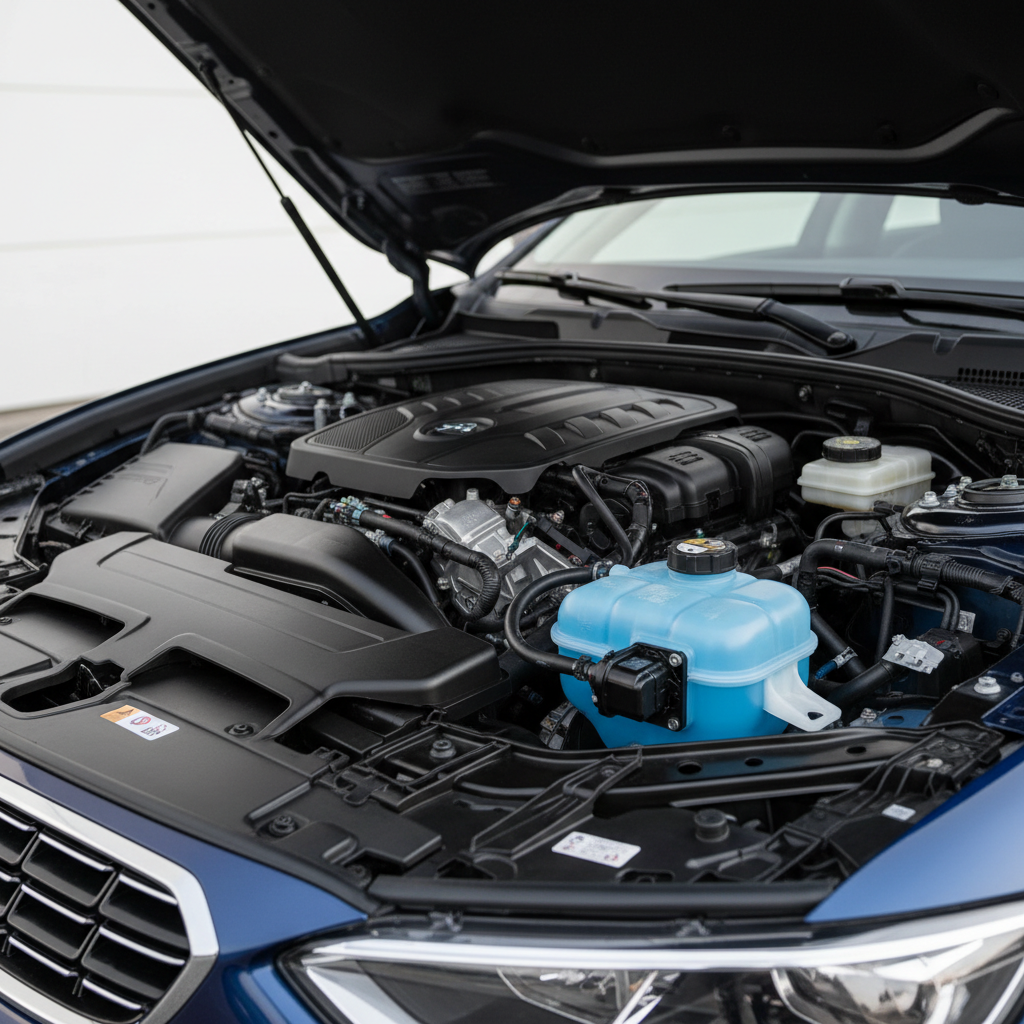
This guide helps you choose a solid pump for 2026, spot common failure patterns, and install it without creating new leaks. I’ll keep it practical, because most people just want the spray back, fast, and without buying three versions that don’t fit.
Quick take: what “best” means for washer pumps in 2026
Washer pumps are not glamorous parts, and “best” rarely means “most expensive.” In real ownership, the best option usually checks these boxes:
- Verified fitment: correct grommet size, port angle, and connector type for your make/model/trim.
- Stable output: consistent spray at idle and while driving, without pulsing.
- Leak resistance: good housing seal plus a grommet that seats cleanly in the reservoir.
- Cold-weather tolerance: doesn’t seize or crack when temperatures swing.
- Reasonable noise: a faint hum is normal, grinding or loud buzzing isn’t.
According to NHTSA, clear visibility is a core safety factor for driving; washer systems are part of that chain, especially in slush, road salt, and bug season. You don’t need a “performance” pump, you need predictable function.
Top windshield washer pump types (and which one you likely need)
Most passenger vehicles use one of these setups. Knowing which one you have makes the shopping list shorter.
Single-outlet pump (front only)
Common on older vehicles or trims without a rear wiper. One outlet hose, one direction of flow.
Dual-outlet pump (front + rear)
Either two ports on the pump, or one port feeding a valve manifold. If your rear spray died but the front works, a valve or rear hose can be the real issue.
Reversible pump (polarity-reversing for front/rear)
Some vehicles reverse pump direction electrically to feed either the front or rear circuit. Fitment is picky here: correct connector and flow direction matters more than usual.
When people search for the best car window washer pump, they often miss that “universal” pumps can work mechanically but fail electrically, or the outlet angle kinks the hose and cuts flow.
Best windshield washer pumps 2026: a practical comparison table
I’m not going to pretend there’s one magic part number for every car. In the U.S. market, these categories are the most dependable starting points, then you confirm fitment for your VIN.
| Category | Best for | What to check before buying | Common downside |
|---|---|---|---|
| OEM / Dealer pump | Owners who want lowest mismatch risk | VIN fitment, connector, reservoir grommet | Often higher price |
| OEM-equivalent aftermarket | Most daily drivers | Brand fitment notes, included grommet, outlet angle | Catalog errors happen |
| Heavy-duty / high-flow style | Older systems with long hose runs or weak spray | Flow rating claims, noise, current draw compatibility | May be louder, may stress old hoses |
| Universal pump kit | Custom installs, classics, off-road builds | Mounting method, wiring, check valves, hose diameter | Fitment and sealing take work |
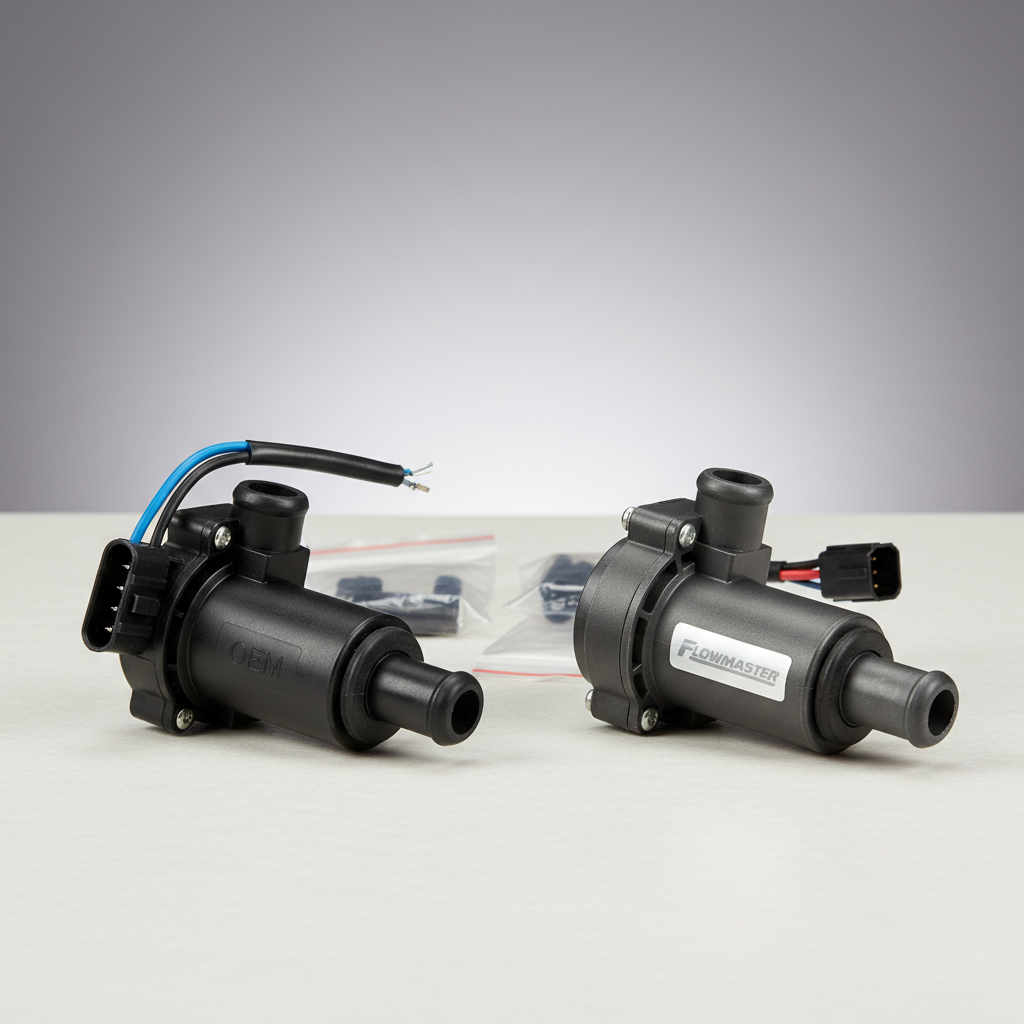
Key point: for many vehicles, an OEM-equivalent pump from a reputable parts retailer is “best” because it balances fit accuracy and cost, but only if you verify connector and grommet details.
Why washer pumps fail (it’s not always “the motor died”)
Failures often look identical from the driver’s seat: no spray. Under the hood, the causes vary.
- Clogged inlet screen: debris in the reservoir blocks the pump intake, so it hums but moves little fluid.
- Dry running: an empty tank can overheat the pump motor and shorten its life.
- Frozen fluid: water or weak mix can freeze, stall the impeller, and crack housings.
- Worn grommet: the pump itself works, but the reservoir seal leaks and the tank “mysteriously” empties.
- Electrical issues: corroded connector pins, blown fuse, bad stalk switch, or broken ground.
- Pinched hose / failed check valve: pump runs, but fluid never reaches the nozzles.
According to AAA, routine vehicle maintenance includes checking fluids and visibility-related systems; washer fluid seems minor until you hit salt spray at highway speed. Many pump “failures” start as neglected fluid and clogging.
Self-check checklist: do you actually need a new pump?
Before ordering parts, run these quick checks. It saves money, and it also prevents you from installing a new pump into a dirty reservoir that kills it again.
- Sound test: press the washer switch. No sound can mean fuse/switch/wiring. A loud buzz with no spray can mean clog, air leak, or cracked hose.
- Fluid level: confirm the tank is filled with proper washer fluid, not water.
- Nozzle test: aim a pin or nozzle tool carefully to clear blockage. If one nozzle sprays and the other doesn’t, it’s often a nozzle or line issue.
- Hose inspection: look for splits near the hood hinge area and near any plastic tees.
- Leak check: wet spots under the reservoir, or fluid smell near the wheel well, often points to the grommet seal.
- Voltage check (basic): if you have a multimeter, confirm power reaches the pump connector when the switch is pressed.
If you’re uncomfortable testing electrical power, a shop can confirm diagnosis quickly, and it can be safer than guessing.
How to choose the right replacement (what to read before clicking “Buy”)
This is where most wrong orders happen. Pumps look similar online, and fitment engines are helpful but not perfect.
Fitment details that matter more than brand names
- Connector shape and pin count: even a “close” connector can be wrong.
- Port count and port angle: one outlet vs two outlets, and whether the hose route kinks.
- Mounting method: reservoir grommet-insert vs bracket mount.
- Grommet included or not: reusing an old grommet often causes leaks, especially if it feels hard or flattened.
- Front/rear function: reversible pumps must match your vehicle’s control logic.
When you’re shopping for the best car window washer pump, treat “includes grommet” as a quiet value add, because leaks are the number-one reason people think the new pump “didn’t work.”
Installation steps (DIY-friendly, with the annoying parts called out)
Most pumps are accessible near the washer reservoir, sometimes behind a wheel well liner. The exact steps vary by vehicle, so check your service info if anything feels forced.
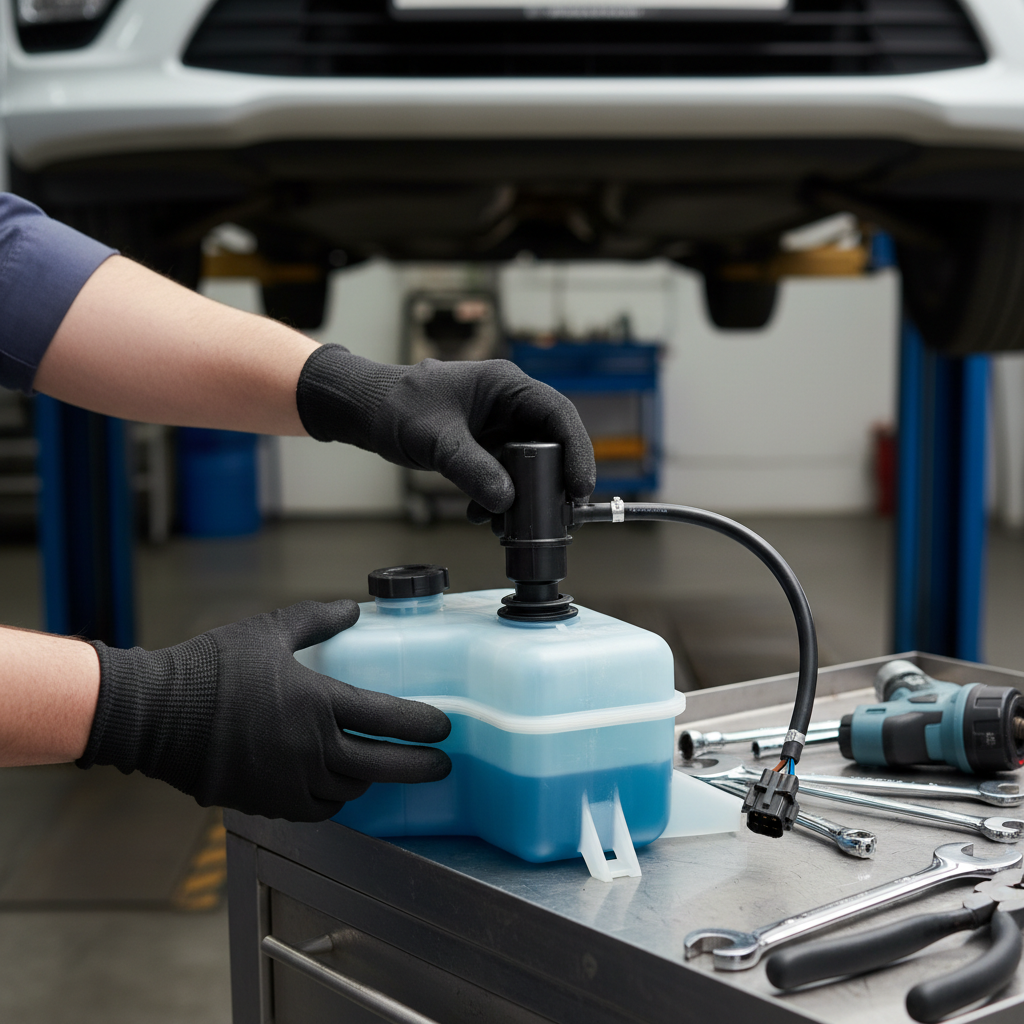
- Depower safely: ignition off. If access is tight near wiring, consider disconnecting the battery, especially on newer vehicles.
- Drain the reservoir: siphon or remove the lower hose into a pan. Washer fluid can irritate skin, gloves help.
- Unplug connector and hose: pull straight, don’t twist aggressively on old plastic.
- Remove pump: usually it pulls out of the grommet. Expect some fluid spill.
- Replace grommet if possible: seat it evenly, a light silicone-safe lubricant can help, but avoid anything that swells rubber.
- Install pump: push in firmly until fully seated, reconnect hose and connector.
- Prime the system: refill tank, run washers in short bursts to purge air.
- Check for leaks: watch the pump base and hose joint while it runs.
Pro tip that saves time: if spray is weak right after install, don’t panic. Air in the lines and a dry pump cavity can take a few cycles to stabilize.
Mistakes that waste money (and how to avoid them)
- Replacing the pump without cleaning the tank: sludge and debris often return immediately, then the “new” pump struggles.
- Reusing brittle hoses: a new pump can expose weak spots and create leaks under pressure.
- Ignoring check valves: if fluid drains back, you get a long delay before spray. A small valve can fix what looks like a bad pump.
- Using water in freezing states: it’s the fastest path to cracked housings and split lines.
- Assuming rear wash issues are always the pump: rear lines run long distances and fail at hinge points.
According to SAE International, automotive component reliability depends heavily on material compatibility and environmental conditions; in plain English, the wrong fluid and temperature swings punish small plastic parts fast.
When to get professional help
If the fuse keeps blowing, the pump never receives power, or you suspect a body control module output issue on a newer vehicle, a professional diagnosis is usually worth it. Electrical faults can be intermittent, and probing the wrong circuit can create extra problems.
Also consider a shop if access requires removing a bumper cover, or if the reservoir sits behind airbags sensors and harness routing. It’s not that DIY is impossible, it just stops being “quick.”
Conclusion: pick fitment-first, then fix the system around it
The most reliable path to the best car window washer pump is boring but effective: confirm exact fitment, replace the grommet, clean the reservoir, then test spray pattern and leaks before calling it done. If you do those steps, washer performance usually comes back to “like it used to be,” and you won’t keep chasing ghost problems.
If you want a simple next step, pull your VIN and check whether your car uses a single-outlet, dual-outlet, or reversible pump, that one detail narrows your options immediately and cuts wrong orders.