
The best car wax for black cars is the one that matches your paint condition, your tolerance for maintenance, and your environment, because black paint shows every shortcut, from missed prep to uneven buffing.
If you’ve ever waxed a black car and still ended up with faint swirls, cloudy reflections, or “ghost” streaks in the sun, you’re not alone. Dark paint doesn’t forgive, and a wax that looks amazing on silver can look messy on black.
This guide focuses on what actually changes the outcome: the wax type, the prep steps that matter most, and a realistic plan for keeping black paint glossy without spending every weekend polishing.
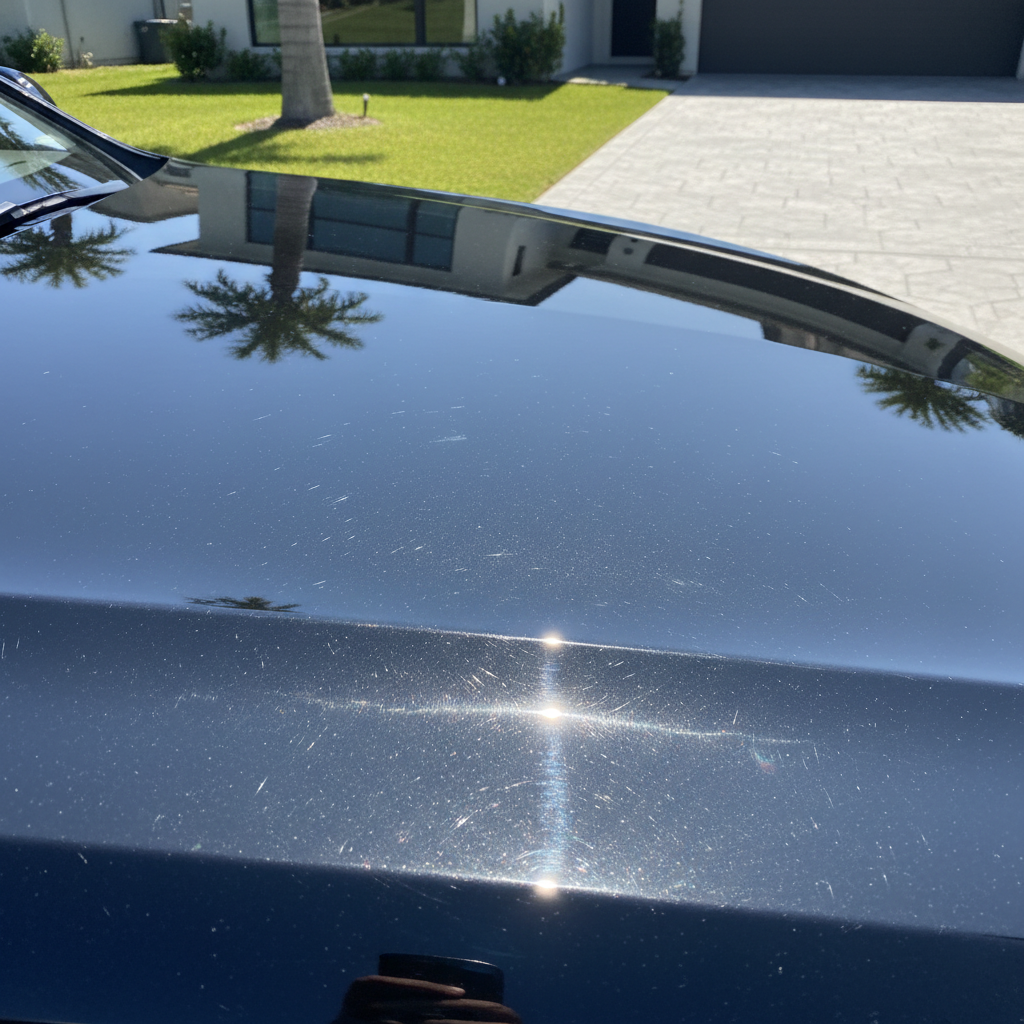
Why black paint is harder to wax (and easier to mess up)
Black paint doesn’t “scratch more,” it just reveals micro-marring more clearly. The same tiny defects that disappear on light colors show up as gray haze or spiderweb swirls on dark panels.
- Swirl visibility: Improper washing and drying leaves fine scratches that wax can’t hide for long.
- Residue contrast: White wax residue in panel gaps and trim stands out instantly.
- Heat sensitivity: Black panels get hot fast, making some waxes grabby, streaky, or harder to buff.
- Reflection clarity: Any unevenness in application shows as patches in strong reflections.
According to Consumer Reports, avoiding paint damage is heavily tied to gentle washing habits and the right tools, not just the product you apply at the end. That matters extra on black paint because correction and rework are more noticeable and more frequent.
Wax vs sealant vs ceramic spray: what usually looks best on black
People ask for “wax,” but in 2026 most good options are either hybrid waxes or synthetic protection. Here’s the practical difference on black paint, where clarity and ease of wipe-off matter as much as durability.
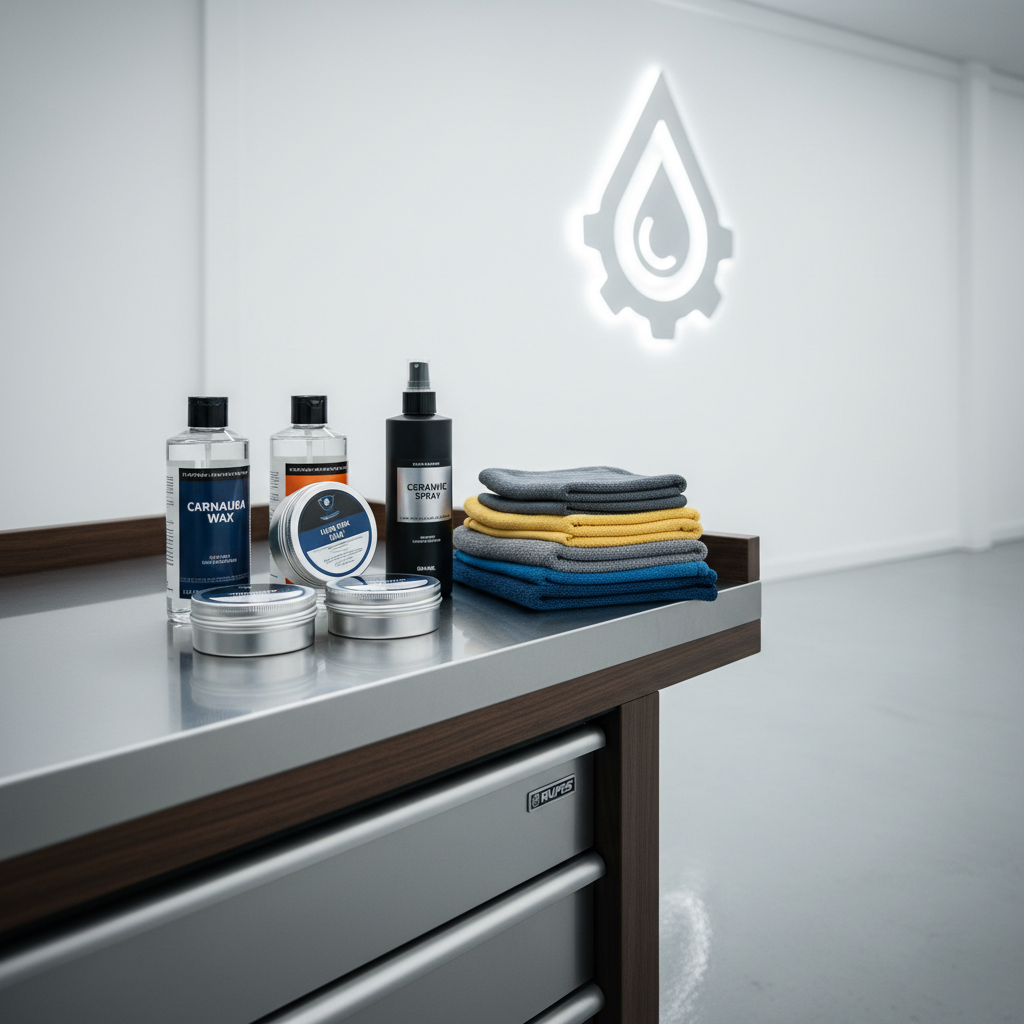
Quick comparison table
| Protection type | Look on black paint | Ease of use | Typical longevity* | Best for |
|---|---|---|---|---|
| Carnauba paste/liquid wax | Warm, deep “wet” glow | Medium, can haze/streak if overapplied | Weeks to ~2 months | Show gloss, weekend cars |
| Synthetic sealant | Sharp, glassy reflections | Usually easier wipe-off | 2–6 months | Daily drivers, heat resistance |
| Ceramic spray (SiO2) | Very crisp, high clarity | Easy, but technique-sensitive on hot paint | 1–4 months | Fast maintenance, water behavior |
| Hybrid wax (wax + polymers/SiO2) | Mix of depth and clarity | Easy-medium | 2–4 months | “One product” simplicity |
*Longevity varies based on wash method, climate, storage, and how well the surface was prepped.
My practical take
If you want the “black mirror” look with less drama, a modern sealant or hybrid wax often behaves better than traditional heavy wax, especially if you wax in a driveway and not a climate-controlled garage. If you love that warm carnauba glow, it can look fantastic, but prep and thin application become non-negotiable.
How to choose the best car wax for black cars (by your situation)
Choosing the best car wax for black cars starts with being honest about two things: your paint condition and how you wash. The product can’t outwork bad friction.
Scenario picks (what tends to work)
- Brand-new or well-corrected black paint: sealant or ceramic spray for maximum clarity and easy maintenance.
- Light swirls, no time to polish: a forgiving hybrid wax that wipes clean and doesn’t stain trim easily.
- Heavily swirled “daily driver”: correction first if you care about perfection, otherwise choose durability and focus on wash technique.
- Hot climate / outdoor parking: synthetic protection usually resists heat and detergents better than soft waxes.
- Show-car weekends: carnauba topper over a sealant can add depth, but only if you can apply thin and buff evenly.
Key points that matter more than brand names
- Low-dust, easy wipe-off: reduces buffing pressure, which reduces micro-marring.
- Trim-safe behavior: black cars often have black trim, but residue still turns it chalky.
- Works in your conditions: some products streak on warm panels or high humidity.
- Compatibility with your maintenance: if you’ll use a ceramic quick detailer, pick protection that layers cleanly.
Quick self-check: do you need wax, decon, or polishing first?
A lot of “bad wax” complaints are really surface contamination or leftover swirls. Before you buy anything new, run this fast check.
- Feels rough after washing? Likely bonded contamination. Plan for chemical decon and/or clay.
- Looks dull or gray in sun even when clean? Oxidation, micro-marring, or both. Polishing may be the missing step.
- Beads are weak and water sheets slowly? Protection is fading, wax or sealant makes sense.
- Streaks after buffing? Too much product, hot panel, or towel not clean enough.
- Swirls appear right after a wash? Wash media and drying method are causing new marks.
According to International Detailing Association (IDA), clean paint correction and protection results rely on proper surface prep and safe washing practices. In plain terms, the “shine step” is only as good as what comes before it.
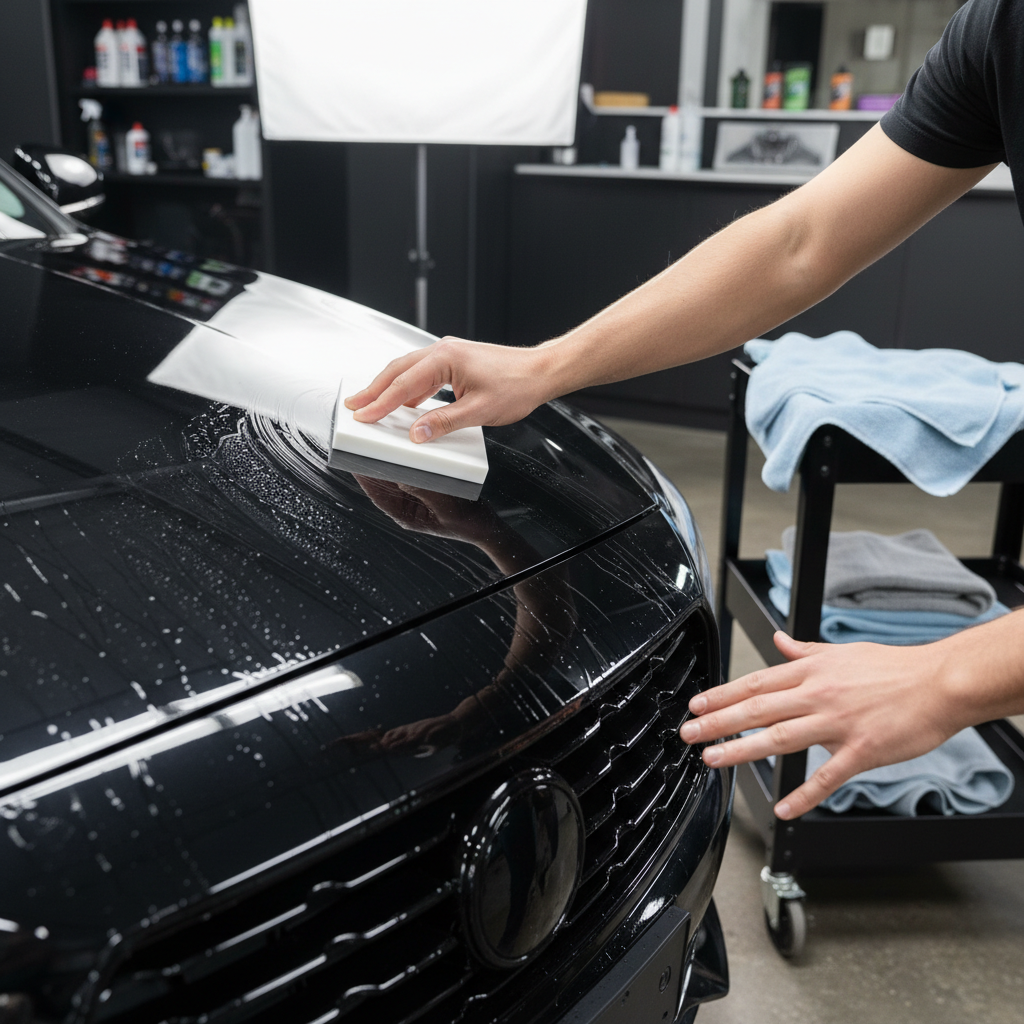
Step-by-step: getting a swirl-free wax finish on black paint
This is the process that usually delivers the most consistent results without turning into a full weekend project. If you already have a favorite product, keep it, just tighten the steps.
1) Wash like you’re trying not to touch the paint
- Use a pre-rinse and a quality shampoo with good lubrication.
- Use a clean microfiber wash mitt, rinse it often, and avoid pressing hard.
- Dry with a plush microfiber drying towel, blot or glide lightly, no aggressive rubbing.
2) Decontaminate if the paint feels gritty
- Iron remover helps dissolve embedded brake dust particles.
- Clay only if needed, and use plenty of lubricant to reduce marring risk.
If you’re not sure, do the “bag test”: lightly glide your hand inside a thin plastic bag over the paint. If it feels bumpy, contamination is still there.
3) Polish if you want that deep black “ink” look
Wax can add gloss, but it won’t remove swirls. A finishing polish often makes the biggest visible difference on black. If you’re new to polishing, start with the least aggressive combo, and consider a test spot.
If your paint is thin, already compromised, or you’re dealing with unknown repaint history, it may be smarter to consult a detailing pro rather than experimenting.
4) Apply wax thin, then thinner
- Work in shade on cool panels when possible.
- Use a foam applicator or a soft microfiber applicator.
- Spread a thin, even film. Overapplication is a top cause of streaking on black.
- Buff with a clean, high-pile microfiber towel, flipping sides often.
5) Optional: layer for looks, not for “infinite durability”
Many products layer fine, some don’t. If you want extra pop, a sealant base with a wax topper can look great on black, but keep expectations realistic and avoid stacking random chemistries unless the manufacturer suggests compatibility.
Common mistakes that make black paint look worse
These show up constantly, and the frustrating part is they often feel like “more effort,” not less.
- Buffing too hard: pressure adds micro-marring, especially with a slightly dirty towel.
- Using one towel for everything: dedicate towels for buffing, drying, and dirty work like wheels.
- Waxing in direct sun: many formulas become grabby and haze unevenly on hot panels.
- Skipping panel wipe after polishing: polishing oils can mask defects and interfere with bonding.
- Relying on “filler” wax to hide swirls: it may look good briefly, then washes off and defects return.
When it’s worth getting professional help
If you want the best car wax for black cars to look truly next-level, sometimes the right move is paying for correction once, then maintaining it yourself.
- Severe swirls and holograms: especially if you see patterns under sun or streetlights.
- Paint history unknown: repaints and thin clear coat change what’s safe.
- Deep scratches: chasing them aggressively can risk clear coat. A pro can judge limits.
- You want long-term coatings: true ceramic coatings require controlled prep and careful application.
For anything involving machine polishing or coating, a local detailer can evaluate paint thickness and defect depth. If you’re unsure, that consult can save money compared to trial-and-error products.
Conclusion: what to do next for a glossier black car in 2026
The best car wax for black cars is less about chasing a trendy formula and more about matching protection to your habits, then applying it thin on properly prepped paint. Black paint rewards discipline, and punishes shortcuts.
- If you want easy shine: choose a forgiving sealant or hybrid wax, focus on gentle washing and clean towels.
- If you want show-car depth: consider a polish step first, then top with a carnauba-style wax for warmth.
Pick one approach, run it for a month, and adjust based on what you see under real sunlight, not garage lighting.
FAQ
- What type of wax looks best on black cars?
Many people prefer a carnauba-style look for depth, but a good synthetic sealant often gives cleaner, sharper reflections and less streaking in real-world conditions. - How often should I wax a black car?
It depends on what you use and how you wash. Traditional wax often needs more frequent reapplication than sealants, while sprays are easy to refresh monthly or after a few washes. - Can wax remove swirl marks on black paint?
Wax can mask very light defects briefly, but it won’t remove swirls. If swirls bother you, polishing is usually the step that changes the finish. - Why does my black car look streaky after waxing?
Common causes include applying too much product, working on a warm panel, or buffing with a towel that’s saturated or slightly dirty. Using less wax and a fresh microfiber towel often fixes it. - Is ceramic spray better than wax for black cars?
Ceramic sprays can deliver crisp gloss and strong water behavior, but they can streak if overapplied or used on hot paint. For many daily drivers, they’re a very practical option when applied carefully. - Should I wax after using an iron remover or clay?
Usually yes, because decontamination can leave the paint bare. After chemical decon or clay, applying protection helps restore gloss and makes future washing easier.
If you’re trying to keep a black car looking “freshly detailed” without turning it into a hobby, start with one durable protectant, a set of dedicated microfiber towels, and a wash routine that minimizes friction. That combo typically beats switching waxes every month.