Best car wheel brush for cleaning usually means one thing: it removes stubborn brake dust fast without scratching your wheel finish or shredding after a few washes.
If you have ever spent 20 minutes on one wheel only to find grime still packed behind spokes, it is rarely “you did it wrong”, it is often the brush shape, fiber stiffness, and handle reach that do not match your wheel design.
This guide breaks down the brush types that actually matter, how to pick based on wheel style and dirt level, and a simple routine you can repeat without overthinking products.
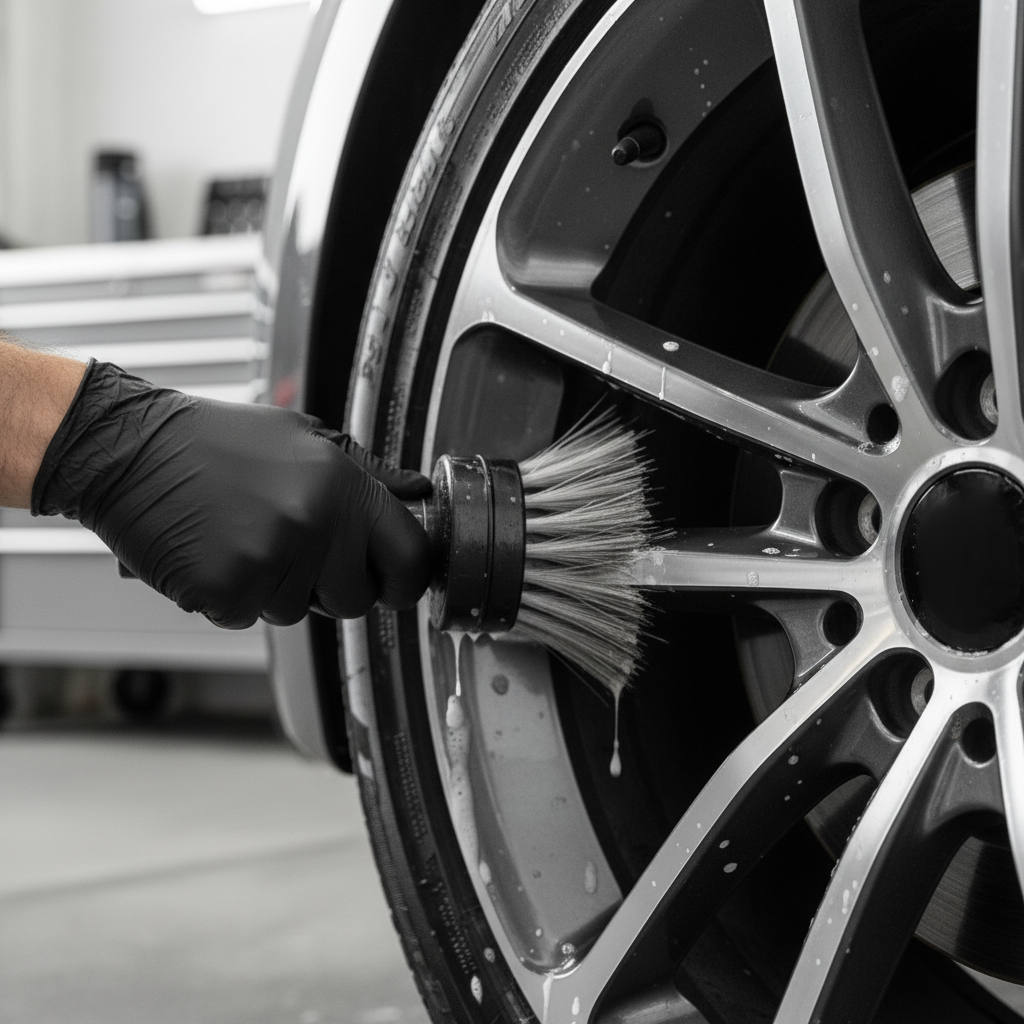
What makes a wheel brush “best” in real use
A wheel brush can look perfect online and still feel wrong on your first wash. The difference is usually a mix of material, flexibility, and whether it reaches the places where brake dust hides.
- Bristle material: flagged synthetic bristles tend to clean well while staying gentler than stiff, unflagged plastic. Boar’s hair is popular for delicate finishes, but it can hold grit if you do not rinse thoroughly.
- Core design: a flexible, coated wire core helps the brush bend around spokes, but any exposed metal is a risk around painted or polished wheels.
- Diameter and profile: skinny barrel brushes fit tight gaps, thicker ones hold more soap and clean faster on open designs.
- Handle length and grip: you want leverage, not wrist strain. A slippery handle becomes annoying quickly once it gets soapy.
- Rinse-out behavior: a brush that releases dirt easily stays safer. If grit stays embedded, it can turn into sandpaper.
According to the International Carwash Association (ICA), using appropriate tools and keeping cleaning media clean helps reduce the risk of surface damage during washing, which is exactly the point with wheels where abrasive debris is common.
Wheel brush types (and when each one makes sense)
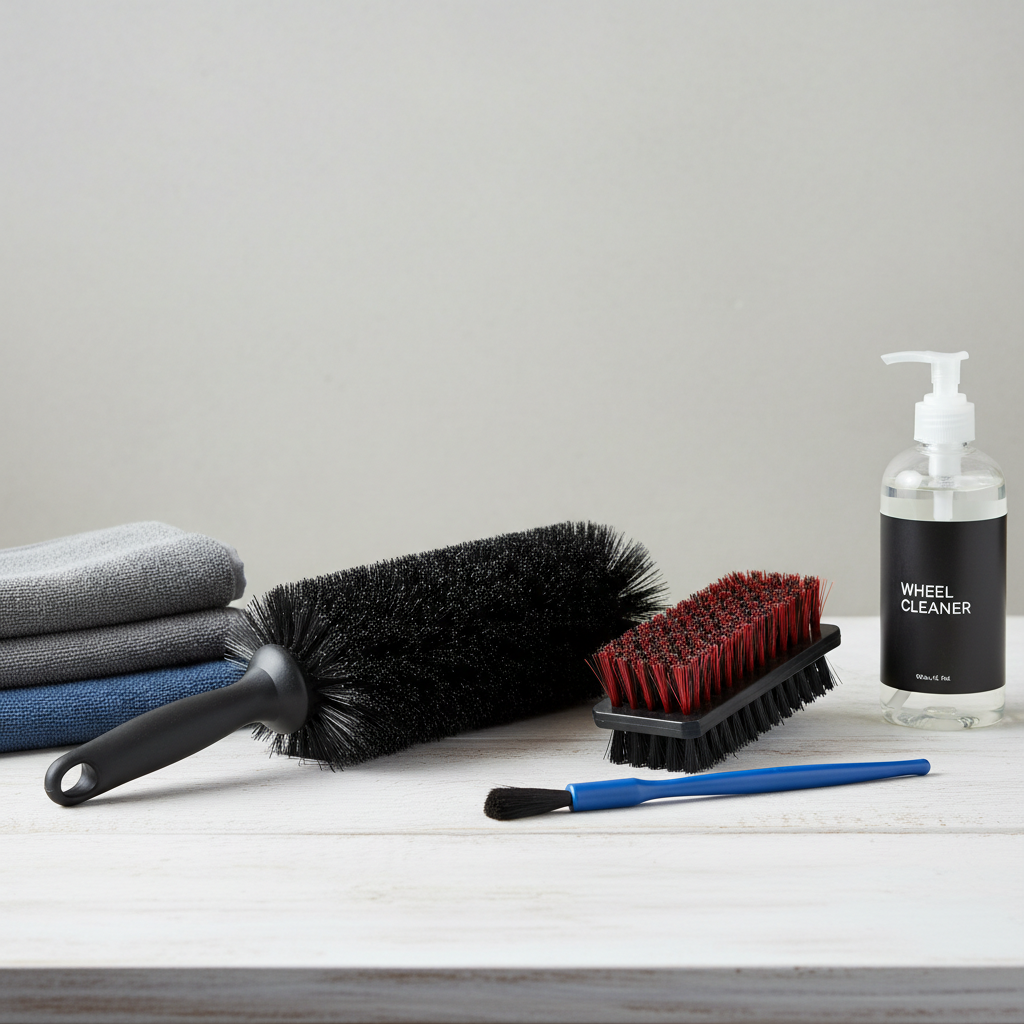
Most people do not need ten brushes, but having the right “category” prevents the classic problem: you clean the face well and the barrel stays brown.
1) Barrel brush (for inside the wheel)
Use this when your wheels have deep barrels, lots of brake dust buildup, or tight spoke windows. Look for a soft tip and a fully coated stem.
- Best for: inner barrel, behind spokes, tight clearances
- Watch out for: overly stiff cores, weak tips that fray quickly
2) Face brush (for spokes and wheel face)
A medium-soft face brush works on spokes, lug areas, and around wheel logos. It should feel “springy” rather than pokey.
- Best for: spokes, wheel face, around center caps
- Watch out for: stiff bristles on piano black or polished finishes
3) Lug nut / detail brush (for tight spots)
This is the small brush that makes the final result look intentional. It gets into lug holes, valve stems, and the edges you notice after drying.
- Best for: lug recesses, emblems, tight seams
- Watch out for: brushes that shed heavily, they get annoying fast
Quick selector: match the brush to your wheels
If you only remember one idea, make it this: wheel design matters more than brand names. A brush that is “the best car wheel brush for cleaning” on open five-spoke wheels may be frustrating on tight multi-spoke OEM wheels.
| Wheel / situation | What tends to work | What to avoid |
|---|---|---|
| Tight multi-spoke wheels | Skinny barrel brush + small detail brush | Thick fluffy brush that cannot fit between spokes |
| Open spoke / large gaps | Thicker barrel brush + medium face brush | Ultra-soft brush that lacks bite on heavy dust |
| Polished / chrome-like finishes | Very soft flagged bristles, dedicated clean rinse bucket | Stiff bristles, exposed metal ferrules, dirty brush reuse |
| Matte wheels | Soft-to-medium bristles, pH-balanced wheel soap | Harsh cleaners used repeatedly, aggressive scrubbing |
| Heavy brake dust / neglected wheels | Barrel brush + stronger wheel cleaner (spot test) | One brush for everything, grinding debris across the face |
A simple self-checklist before you buy (or blame the soap)
Run through this fast list, it usually tells you what tool you are missing.
- You can clean the face but the inside barrel still looks brown from certain angles.
- Your brush barely fits through spoke windows, so you keep forcing it.
- The wheel looks clean when wet but shows streaks and dust patches after drying.
- You see tiny new marks on glossy black areas around spokes or center cap.
- You dread the lug area because the brush head is too large.
If two or more are true, you likely need a different brush profile, not more pressure. Pushing harder tends to increase scratch risk, especially if grit is trapped in bristles.
How to clean wheels step-by-step (without making it a whole project)
This routine is built for consistency. It is not the only way, but it avoids the common trap of re-depositing brake dust where you just cleaned.
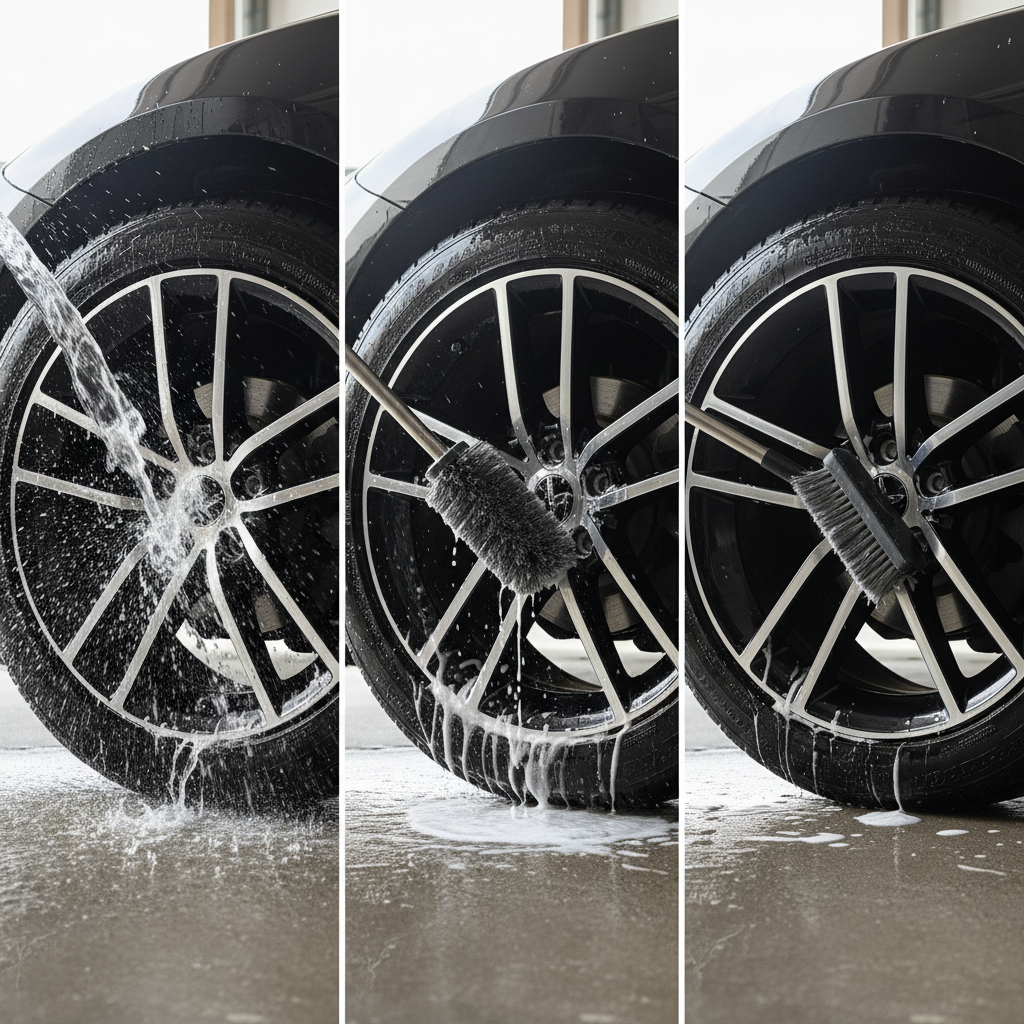
Step 1: Work on cool wheels, in shade if possible
Hot wheels can cause cleaners to dry too fast and leave residue. If the car was just driven, give it time.
Step 2: Rinse thoroughly, especially the barrel
Get loose grit off first. This alone reduces how abrasive your brushing becomes.
Step 3: Apply wheel cleaner or wheel soap and let it dwell briefly
Follow product directions, and if you are unsure about finish compatibility, a small spot test is the safer move. For stubborn brake dust, some people use iron removers, but odor and sensitivity vary, so ventilation helps.
Step 4: Agitate in a smart order
- Barrel first with the barrel brush, so dirty runoff does not splash onto a finished face.
- Spokes and face next with a face brush.
- Lug recesses and edges last with a small detail brush.
Step 5: Rinse often, and rinse the brush even more
Dip-and-scrub without rinsing the brush is how grit builds up. If you use a bucket, consider a grit guard.
Step 6: Dry to prevent water spots
A dedicated microfiber towel or a blower works well. If water spots are a recurring issue in your area, it may be your water hardness, not your technique.
Mistakes that make even good brushes feel “bad”
Plenty of frustration comes from process, not the tool. A few small corrections usually change the outcome.
- One brush for everything: barrel grime is usually harsher than face grime, mixing jobs increases scratch risk.
- Not pre-rinsing: brushing dry dust around is where micro-marring often starts.
- Using too much pressure: if the brush needs force, it is likely the wrong size or the cleaner needs more dwell time.
- Letting cleaner dry: dried residue can look like “stains” and lead to over-scrubbing.
- Skipping brush maintenance: rinse, wash, and hang dry brushes so they do not stay loaded with grit.
When you may need stronger products or professional help
Sometimes a brush and regular wheel soap will not fully reset neglected wheels in one session, and that is normal.
- Baked-on brake dust that feels rough after washing may need an iron remover or clay-style decon designed for wheels, used carefully and per label directions.
- Pitting, peeling clear coat, or flaking finish will not be “cleaned away”, aggressive scrubbing can make it look worse, a wheel refinishing shop can advise options.
- Persistent vibration or pulling after wheel cleaning is usually not caused by brushing, but if you suspect a mechanical issue, it is smarter to consult a qualified mechanic.
According to the U.S. Environmental Protection Agency (EPA), choosing and using cleaning products as directed and disposing of wastewater appropriately helps reduce environmental impact, especially when washing on driveways where runoff can reach storm drains.
Key takeaways and a practical buying shortlist
If you want fewer decisions, aim for a small kit that covers the real geometry of the wheel. For many drivers, that is the sweet spot for value.
- Buy for wheel design, not hype: tight spokes usually need a skinny barrel brush.
- Keep finishes in mind: softer bristles and clean rinse habits matter more on glossy or polished wheels.
- Two to three brushes beat one: barrel + face + small detail brush covers most situations.
- Maintenance matters: a clean brush stays safer and lasts longer.
If you are shopping today, a sensible shortlist looks like this: one coated, flexible barrel brush sized for your spoke openings, one medium-soft face brush, and one small detail brush for lugs and edges.
Pick that set, clean one wheel as a test, then adjust only if access still feels tight or you notice you are working too hard. That is usually the clearest sign you have not found your best car wheel brush for cleaning yet.
FAQ
What is the best car wheel brush for cleaning brake dust?
Most people do well with a flexible barrel brush for the inner barrel plus a separate face brush for spokes. Brake dust tends to pack inside the wheel, so the ability to reach behind spokes matters as much as bristle softness.
Are soft wheel brushes always safer?
Softer bristles can reduce scratch risk, but only if the brush rinses clean easily. A very soft brush that holds grit can still mark delicate finishes, so rinsing technique counts.
Can I use the same brush on tires and wheels?
I would avoid it in many cases. Tire rubber often carries heavier grime and small stones, and transferring that to a wheel face is where problems start. A dedicated tire brush is usually worth it.
Do barrel brushes scratch wheels?
They can, especially if the stem is not fully coated or if the brush is loaded with debris. Using light pressure, frequent rinsing, and confirming there is no exposed metal helps reduce risk.
What brush works best for black gloss wheels?
Gloss black finishes show marks easily, so a clean, soft face brush and a separate barrel brush with a soft tip are common picks. Keep the brushes clean and avoid forcing a too-large brush between spokes.
Should I use an iron remover with a wheel brush?
It can help on embedded brake dust, but product compatibility varies by finish, and the smell can be strong. Follow label directions, spot test when unsure, and avoid letting it dry on the surface.
How often should I clean wheel brushes?
A quick rinse during use and a thorough wash after the job is a good habit. If bristles feel gritty after rinsing, clean again before the next wash, that grit is what causes trouble.
If you are trying to build a simple wheel-cleaning setup and want a more “it just works” routine, it may help to choose brushes as a small matched set, then adjust based on your wheel style and how heavy your brake dust gets over a normal week.