Best car wheel cleaner for rims usually means one thing in real life, a product that removes brake dust fast without staining, etching, or turning your wheel finish cloudy. The tricky part is that “one great wheel cleaner” rarely behaves the same on chrome, clear-coated alloy, matte paint, or raw aluminum.
If you have ever watched a wheel turn brown again two days after washing, or noticed weird streaks after trying a stronger spray, you already know why this matters. Wheels collect heat, metallic brake dust, road salt, and oily grime, and that mix can be stubborn and surprisingly reactive.
This guide helps you pick the right type of cleaner for your wheel material, set realistic expectations, and avoid the common mistakes that cause damaged finishes. I’ll also share a simple process you can repeat every wash, even if you do not want a full detail.
What makes a wheel cleaner “best” for rims (beyond marketing)
When people search for the best option, they are usually chasing three outcomes, strong cleaning, low risk, and less scrubbing. In practice, you want to judge a wheel cleaner on a few practical traits.
- Finish safety: Clear-coated wheels tolerate more than raw/polished aluminum, matte, or specialty coatings.
- Brake dust performance: True brake dust is metallic, so cleaners that target iron particles often work better.
- Dwell time control: A good formula stays wet long enough to work, without drying into stains.
- Low-residue rinse: Less film means fewer “mystery streaks” after drying.
- Smell and usability: Iron removers can smell harsh, and that affects how often you will actually use them.
According to the U.S. Environmental Protection Agency (EPA), you should always follow the product label for safe use and disposal of household chemicals, especially around storm drains and outdoor washing. That guidance matters with wheel cleaners because runoff is easy to ignore until it becomes a problem.
Types of wheel cleaners and when each one is the right choice
Instead of hunting one magic bottle, it helps to match chemistry to the dirt you have. Here are the main categories you’ll see in the U.S. market.
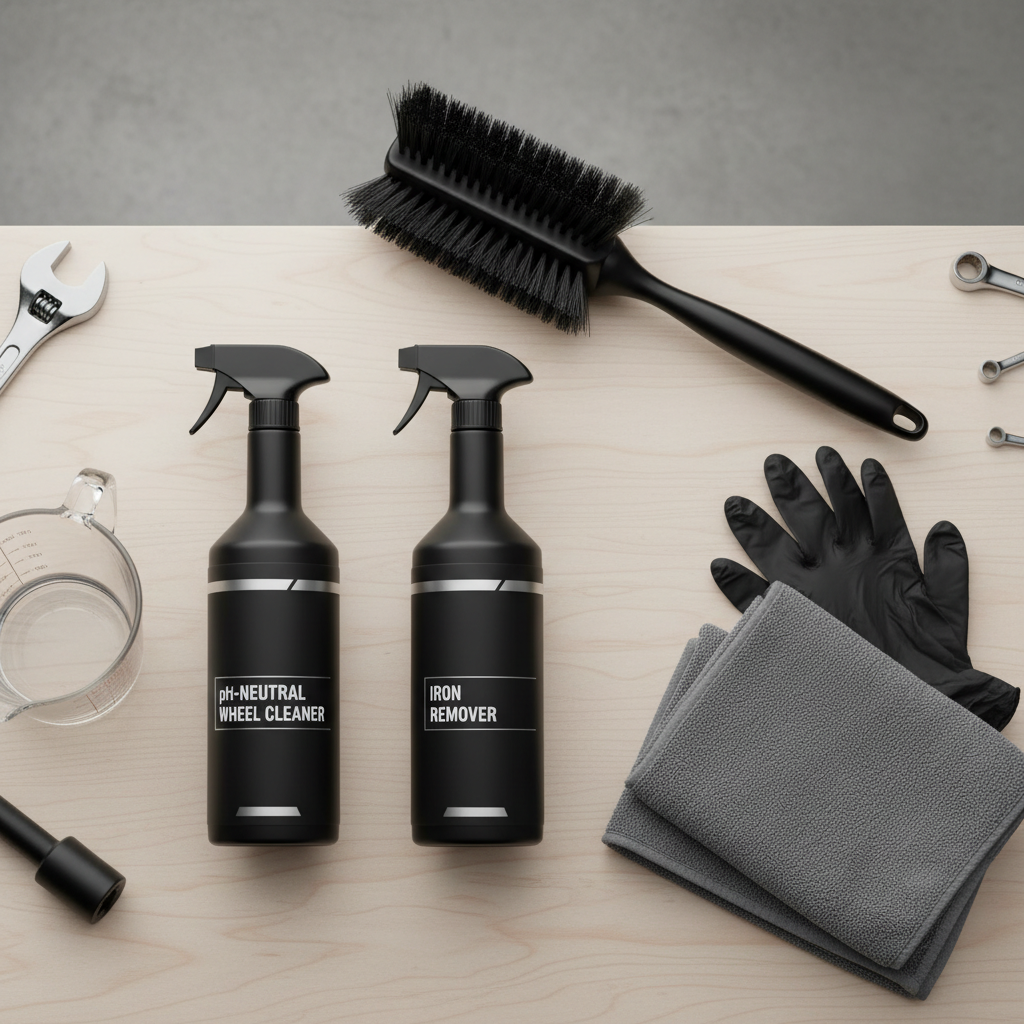
pH-neutral wheel cleaners (maintenance-safe)
These are the “use often” choice, especially for clear-coated alloy, painted wheels, and wheels that are already protected with a sealant or ceramic coating. They tend to be gentler, but they may need agitation for heavy buildup.
Iron removers (for stubborn brake dust)
Iron removers react with embedded ferrous particles and often change color as they work. They are a strong candidate when the best car wheel cleaner for rims needs to solve that gritty, embedded dust that normal soap leaves behind. The tradeoff is smell, cost, and the fact that you still need smart technique to avoid drying.
Acid wheel cleaners (high risk, limited use)
Acid products can cut through heavy deposits quickly, but they can also damage sensitive finishes, especially if the wheel has chips, pitting, or compromised clear coat. Many enthusiasts avoid them for DIY use because the margin for error gets thin. If you are not sure what finish you have, this category is typically the one to skip.
All-purpose cleaners (APC) diluted correctly
An APC can be a practical middle ground for oily grime and tire browning, and it’s often useful for wheel wells. On some wheels it works fine, but it’s not always great at true brake dust. Dilution matters, and so does rinsing thoroughly.
Quick comparison table: match cleaner type to your rims
Use this as a starting point, then confirm your wheel finish and do a small test spot.
| Cleaner type | Best for | Pros | Watch-outs |
|---|---|---|---|
| pH-neutral wheel cleaner | Regular washes, coated wheels | Lower risk, flexible use | May need brushing on heavy dust |
| Iron remover | Stubborn brake dust, neglected wheels | Targets embedded particles | Odor, do not let it dry |
| Diluted APC | Oily grime, light dust, wheel wells | Versatile, budget-friendly | Can strip protection if too strong |
| Acid cleaner | Severe buildup (often pro use) | Fast bite on deposits | Higher damage risk, finish-sensitive |
A simple self-check: what kind of wheel problem do you actually have?
Before you buy anything new, try this quick diagnosis. It saves money and prevents you from using an overly aggressive product.
- Dust wipes off easily with shampoo: you likely need a better wash method, not a stronger chemical.
- Gritty specks that stay after washing: embedded brake dust, iron remover may help.
- Brown film on the tire sidewall: that’s tire blooming and road grime, an APC or dedicated tire cleaner works better than wheel-only sprays.
- Milky haze or dull patches: could be finish damage or etching, chemicals will not “clean” that away.
- White crusty buildup: often minerals or salt residue, needs careful approach, avoid letting cleaners dry.
If your wheel finish is unknown, treat it as sensitive. Many factory wheels are clear-coated, but older polished lips, aftermarket finishes, and repaired wheels can behave differently.
How to use wheel cleaner effectively (without over-scrubbing)
Technique does a lot of the heavy lifting. Even the best car wheel cleaner for rims can fail if it dries on a hot surface or gets diluted by a weak rinse pattern.
Step-by-step process most people can repeat
- Start cool: clean wheels in the shade, and make sure the rim is cool to the touch.
- Rinse thoroughly: strong water flow removes loose grit that causes scratching.
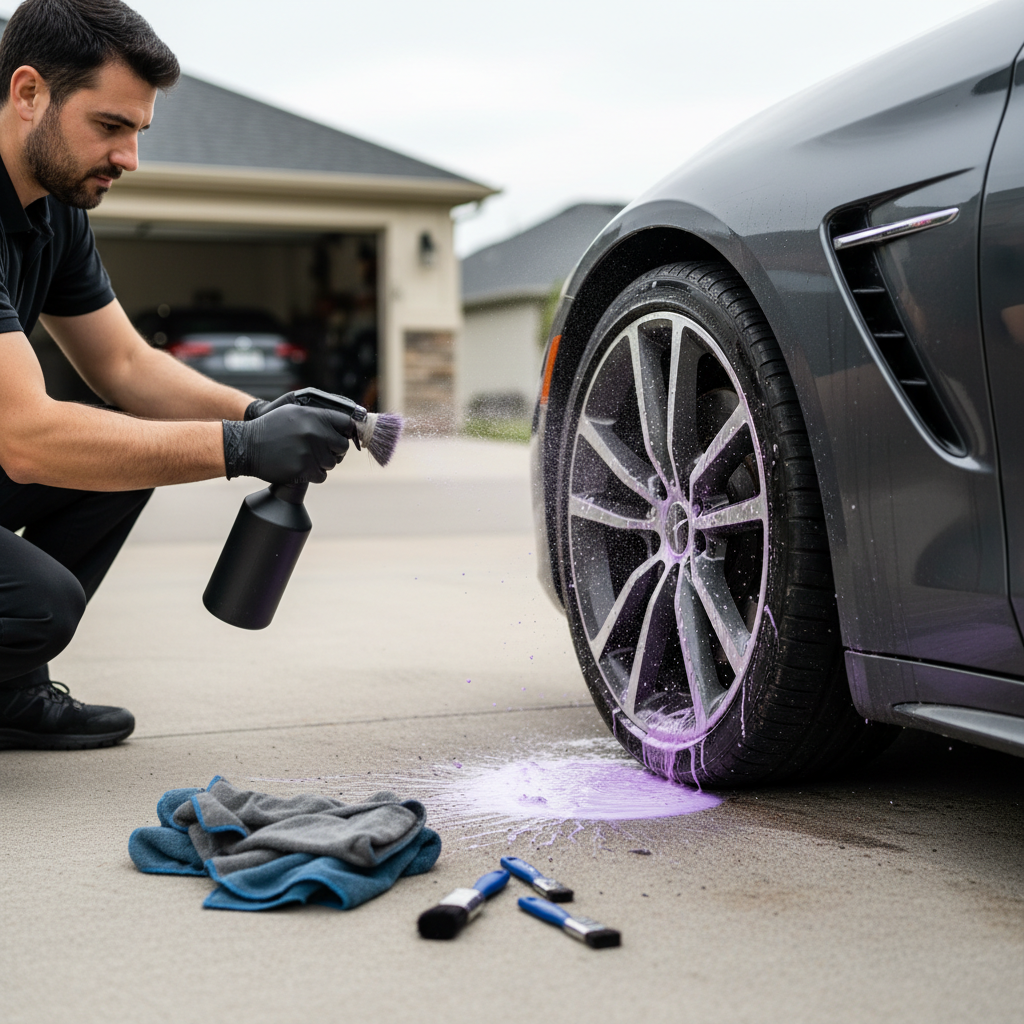
- Apply cleaner bottom-up: it reduces streaking and keeps coverage consistent.
- Let it dwell, do not let it dry: typical dwell is short, and varies by product label.
- Agitate with the right tools: soft wheel face brush for spokes, a barrel brush for the inner rim, and a small brush for lug areas.
- Rinse again, then wash with soap: a quick contact wash helps remove remaining film.
- Dry: microfiber towel or a blower reduces water spotting.
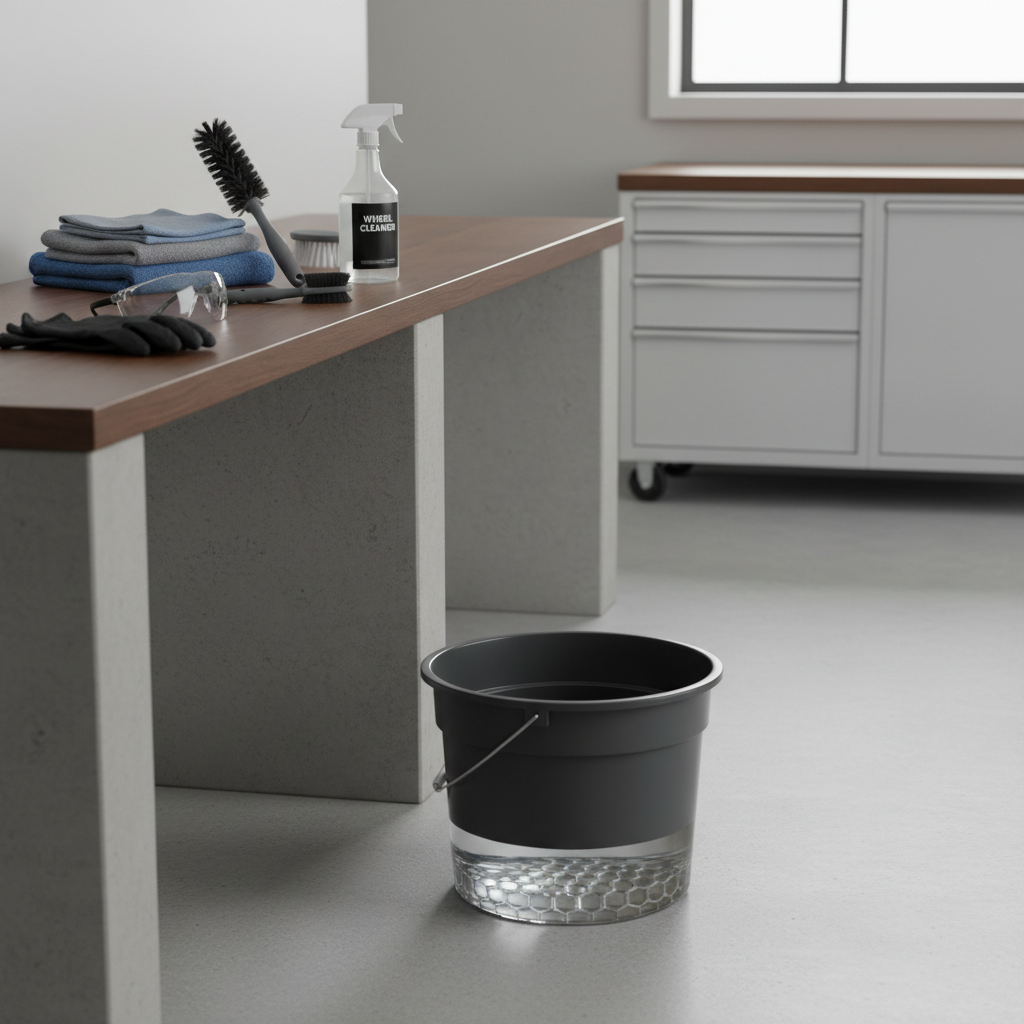
Key tools that make a bigger difference than “stronger spray”
- Dedicated wheel wash mitt or microfiber, separate from paint tools
- Soft wheel brushes in two sizes, plus a lug nut brush
- Nitrile gloves and eye protection, especially with iron removers
According to OSHA, you should follow chemical hazard instructions and use appropriate personal protective equipment when handling cleaners that can irritate skin or eyes. That sounds formal, but it’s basically a reminder that splashes happen.
Common mistakes that make rims look worse (even with a good cleaner)
A lot of “this product didn’t work” stories come from a few repeat errors. Fix these and your results often jump without changing brands.
- Cleaning hot wheels: heat speeds drying and increases the chance of staining.
- Letting product dry: especially with iron removers and stronger formulas.
- Using one brush for everything: barrel grit on the face is a quick way to add micro-scratches.
- Overusing acid cleaners: fast results can come with long-term finish problems.
- Skipping the inner barrel: the face looks clean, but the barrel keeps bleeding dust onto the spokes after the first drive.
- Mixing chemicals: never combine cleaners unless the label explicitly allows it, reactions can be hazardous.
If you wash at a self-serve bay, watch your order. Many bays apply strong pre-soaks. Adding your own wheel chemistry on top can get unpredictable, so rinse well and keep it simple.
Practical picks: how to choose what to buy (without chasing hype)
You can narrow your shopping in minutes if you decide which “lane” you’re in. Here’s a clean way to choose.
- Weekly or biweekly washer: pick a pH-neutral wheel cleaner, and invest in better brushes. Add iron remover once in a while if needed.
- Heavy brake dust or German-performance pads: consider an iron remover as your main tool, plus a gentle maintenance cleaner for regular washes.
- Matte or specialty finishes: lean mild, confirm compatibility on the label, and test a hidden spot.
- Neglected wheels with baked-on grime: you may need a few cycles, iron removal plus agitation, and realistic expectations. Sometimes the “stain” is damage.
Key point: the best car wheel cleaner for rims is often the one you will use consistently, with a method that does not scare you off after one wash.
When to stop DIY and ask a pro
If you see peeling clear coat, deep pitting, or permanent-looking dull spots that do not change after a gentle clean, you might be looking at etching, oxidation, or coating failure. At that stage, stronger chemicals typically add risk without fixing the root issue.
A reputable detailer can test products, polish safely if the finish allows it, and recommend refinishing when needed. If you suspect structural issues like cracks, bends, or air leaks around the bead, a wheel repair shop or tire professional is the right call.
Conclusion: the easiest way to get cleaner rims with less drama
The most reliable path is simple, match the cleaner type to your wheel finish and the dirt you have, keep wheels cool, and avoid letting any product dry. For many drivers, a gentle maintenance cleaner plus an occasional iron remover session delivers the “why don’t my wheels stay clean?” result without pushing into risky chemistry.
If you want a quick next step, pick one cleaner in the right category, add a dedicated wheel brush set, and commit to cleaning the inner barrel at least every other wash. That alone tends to change the game.