
The best oil filter for synthetic oil is the one that matches your engine’s specs, holds up for your intended oil change interval, and uses media that can handle synthetic oil’s flow and contaminant load without bypassing too easily.
If you’ve ever stood in the auto parts aisle staring at “synthetic ready,” “extended performance,” and a dozen part numbers that all look right, you’re not alone. Filters aren’t just about brand loyalty, they’re about fitment, pressure behavior, and how long you plan to run that oil.
What this guide does is narrow the decision to a few practical checkpoints, then shows common scenarios and what to buy for each. No magic filter works for every engine, but there are clear “good bets” and clear red flags.
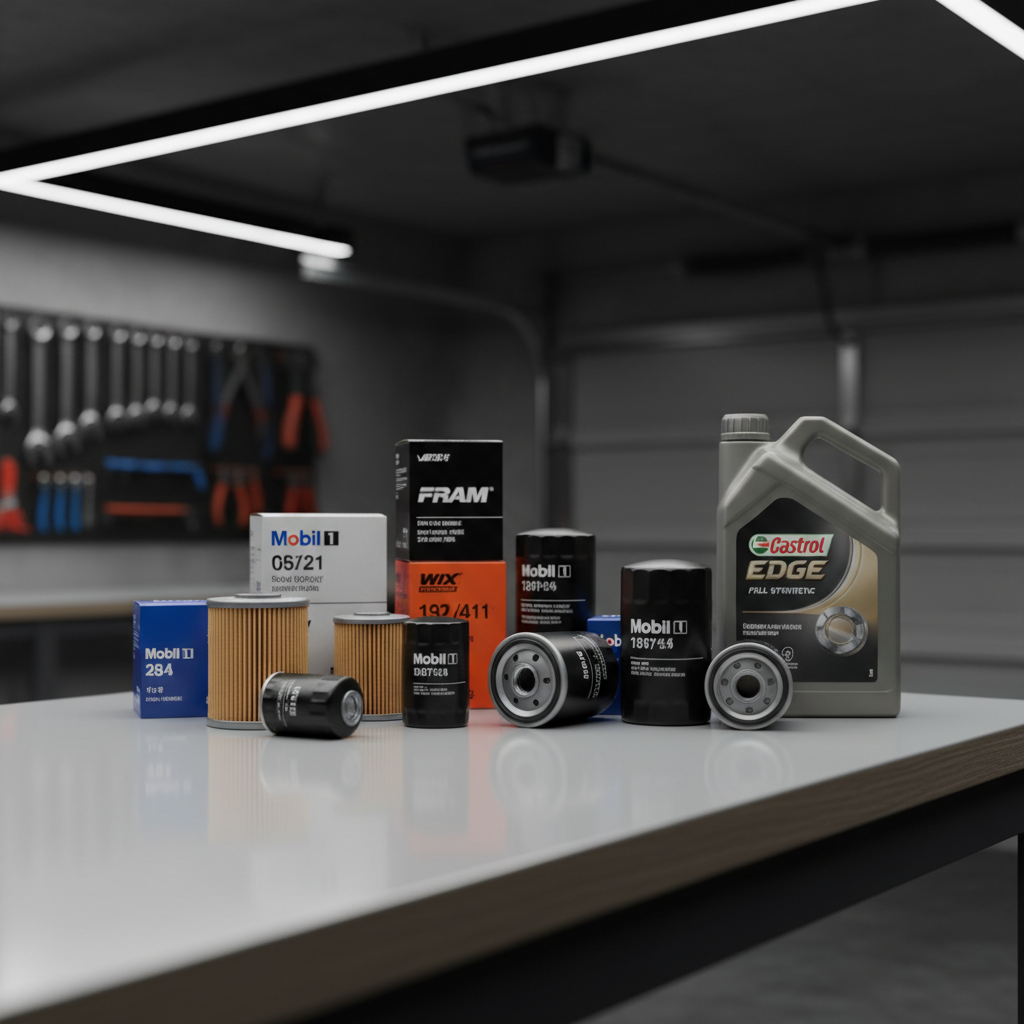
What makes a filter “good” for synthetic oil (and what doesn’t)
Synthetic oil itself does not “require” a special filter, but it often gets used in ways that stress the filter more, like longer drain intervals, higher temperatures, turbocharged engines, and more stop-and-go driving.
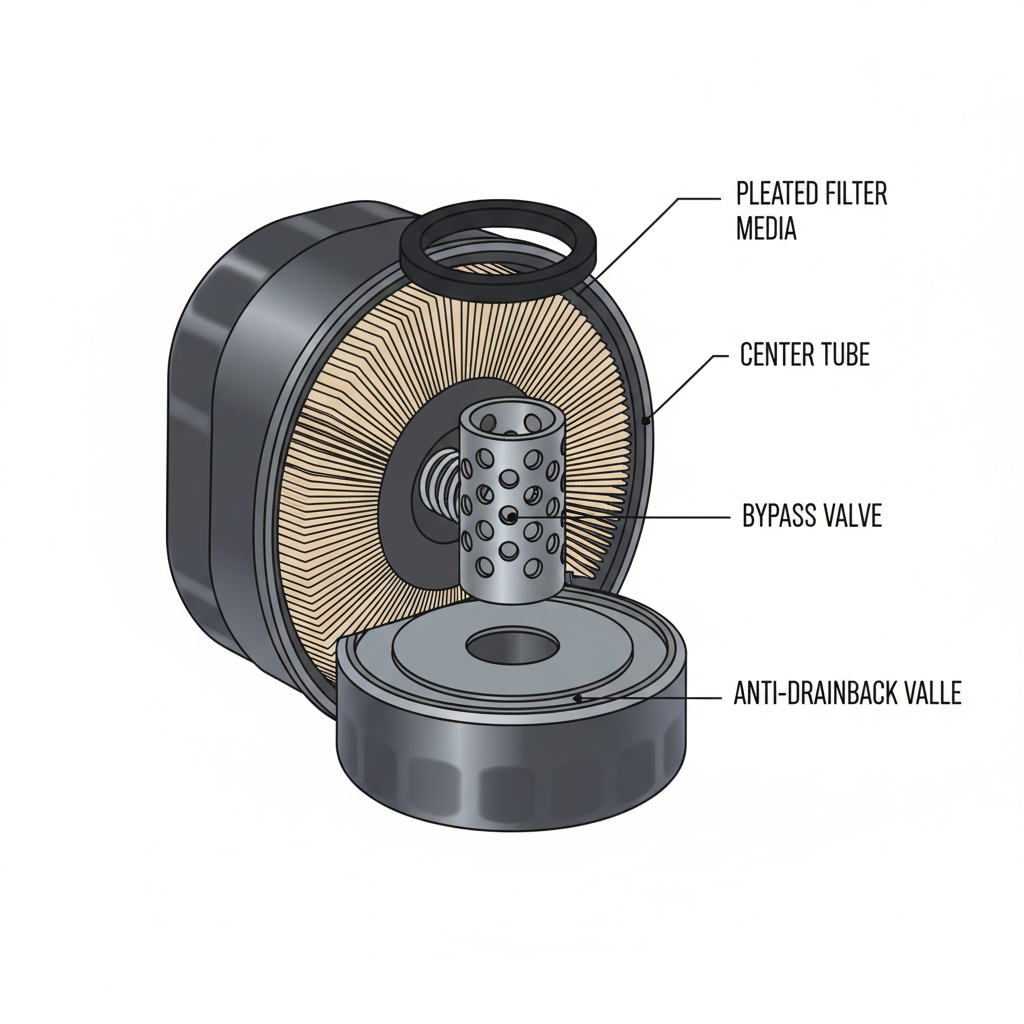
- Filter media: Synthetic-blend or full synthetic media typically resists breakdown and holds more debris than basic cellulose paper.
- Efficiency: This is how well the filter captures small particles. Many brands publish efficiency at a micron rating, but not all do, and the test method matters.
- Dirt-holding capacity: Important if you run longer intervals. If capacity is low, the filter can load up and trigger bypass more often.
- Bypass valve behavior: A bypass valve opens when pressure drop across the media gets high (cold starts, clogged media). You want the bypass spec that matches your engine’s design.
- Anti-drainback valve (ADBV): Helps prevent dry starts on engines where the filter sits sideways or upside down. Silicone ADBV usually holds up better to heat than nitrile.
According to SAE International (Society of Automotive Engineers), oil filtration performance is commonly evaluated through standardized test methods, which is why published “micron” claims without context can be apples-to-oranges. Translation: use specs as clues, not as a single deciding factor.
Quick fitment reality check (the part most people skip)
Before you compare “premium” labels, lock down fitment. The wrong filter can cause leaks, low oil pressure, or constant bypassing, even if it’s expensive.
- Confirm the exact part number using your owner’s manual or a reputable parts catalog.
- Match gasket diameter and thread pitch, not just “it screws on.”
- Check clearance for longer “XL” filters, heat shields, skid plates, and exhaust routing.
- Verify bypass spec if you’re cross-referencing brands. Many engines tolerate a small range, some don’t.
If you’re unsure about bypass pressure or whether your engine even uses it in the filter (some systems place it elsewhere), staying with OEM-recommended specs is the safer move.
Best oil filter for synthetic oil: top picks by use case (2026)
Here’s the honest way to shop: pick by your interval, driving conditions, and engine type. The “best oil filter for synthetic oil” for a turbo daily driver doing 7,500–10,000 miles often differs from the best choice for a short-interval DIY change.
1) Everyday synthetic intervals (around 5,000–7,500 miles)
- OEM filter (dealer or OEM supplier line): A solid baseline when you want correct bypass/ADBV behavior with minimal guessing.
- Mainstream premium line from a major brand: Typically offers better media and silicone ADBV without pushing into “extended drain” pricing.
This category is where most drivers land. If you don’t have oil analysis results and you’re not stretching intervals, you usually get the best value here.
2) Longer synthetic intervals (around 10,000 miles, when appropriate)
- Extended performance filters with synthetic media: Look for designs marketed for longer service and built for higher capacity.
- Heavier can + reliable ADBV: Not glamorous, but it matters when heat cycling and time are involved.
Long intervals can be fine on some vehicles, but they’re not automatic just because you run synthetic. According to AAA, severe driving conditions can shorten maintenance intervals, and many drivers fall into “severe” without realizing it. If you do lots of short trips or idle time, treat 10,000 miles as a “maybe,” not a default.
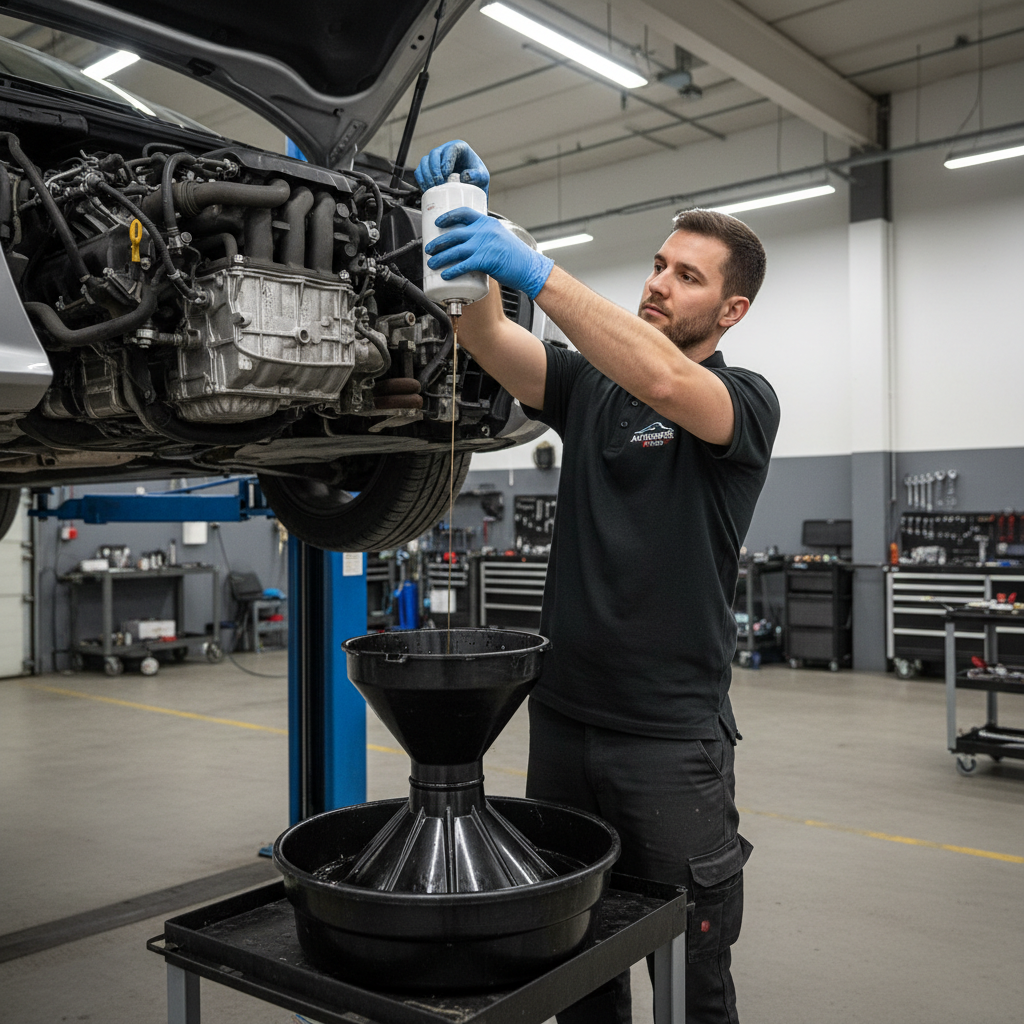
3) Turbo, direct-injection, or hard-driven engines
- High-efficiency synthetic media to help manage soot and fine particulates that can build under certain conditions.
- Strong ADBV performance to reduce start-up rattle on layouts that drain back.
This is also where using the correct oil viscosity and the manufacturer’s filter spec matters more than internet “best list” rankings.
4) Budget changes (short intervals, high confidence)
- Standard filters can be acceptable if you change oil more frequently and your engine is in good shape.
- Avoid unknown off-brand listings with unclear specs or inconsistent packaging, especially from marketplace sellers.
If you’re changing synthetic early because you just prefer it, you can often spend less on the filter without taking big risks, as long as you stick to reputable fitment data.
Side-by-side comparison table (what to look for)
Not every brand publishes every spec, so treat this table as a shopping checklist rather than a lab report.
| What you’re comparing | Why it matters with synthetic oil | Good sign | Potential concern |
|---|---|---|---|
| Media type | Longer use and higher heat can stress the element | Synthetic or synthetic-blend media | Vague “premium” claims with no details |
| Anti-drainback valve | Helps reduce dry starts on certain filter orientations | Silicone ADBV (often stated) | Nitrile ADBV on hot-running engines |
| Bypass valve spec | Wrong bypass setting can change pressure behavior | Matches OEM application | Unknown or mismatched cross-reference |
| Build quality | Long intervals mean more heat cycles and vibration | Solid can, consistent gasket, good threads | Thin can, sloppy gasket, rough threads |
| Change interval claim | Marketing can oversimplify real driving conditions | Claim aligns with your real interval | Choosing “20k” just because it exists |
Self-check: which filter tier do you actually need?
If you answer “yes” to a few of these, you usually benefit from stepping up to a better media/ADBV design, even if you don’t chase the most expensive option.
- You run synthetic oil beyond 7,500 miles between changes
- Your engine is turbocharged or runs hot in traffic
- You notice start-up rattle that might relate to drainback
- You do short trips, idling, delivery driving, or lots of stop-and-go
- You buy oil on sale and try to extend intervals to “make it worth it”
If most answers are “no,” an OEM filter or a reputable mid-tier filter is often plenty.
Practical buying advice (less hype, more “will this work?”)
Stick to the right interval first
Choosing the “best oil filter for synthetic oil” starts with being realistic about your interval. If your driving is severe, a shorter interval with a solid filter often beats gambling on a long interval with unknowns.
Buy from a trustworthy seller
Counterfeit or mishandled parts can happen in any category. If packaging looks off, the gasket looks dry or misshapen, or the listing is vague, it’s reasonable to pass and buy from a known retailer.
Consider upsizing only when fitment is proven
Some engines can run a longer version of the same filter family for more media area. That can help capacity, but only if thread, gasket, bypass spec, and clearance truly match. When in doubt, don’t improvise.
Common mistakes that waste money (or create problems)
- Assuming “synthetic” on the box means universal compatibility: It mostly signals media and marketing, not fitment correctness.
- Ignoring bypass spec during cross-references: A filter can “fit” and still behave wrong under cold starts.
- Overtightening: This can deform the gasket and make removal miserable. Hand-tight plus the specified turn is usually enough.
- Skipping gasket checks: Always verify the old gasket came off. Double-gasketing is a real leak risk.
- Chasing the smallest micron number: More filtration can increase restriction if the design is not balanced. Real-world performance is about the whole system.
When to ask a pro (or at least double-check)
If you see low oil pressure warnings, recurring leaks at the filter, or loud valvetrain noise right after a change, stop driving and consult a qualified mechanic. Those symptoms can come from multiple causes, and guessing can get expensive.
Also consider professional guidance if you’re mixing extended oil intervals with heavy towing, track days, or engine modifications, because the “normal” assumptions behind many recommendations no longer apply.
Conclusion: the smart “best” choice for 2026
The best picks for 2026 usually look boring: correct OEM fitment, a reputable premium filter line, and an interval that matches your actual driving. If you want one clean rule, buy a filter tier that comfortably covers your change interval, then stop overthinking the branding.
If you’re deciding today, do this: confirm the exact part number, choose a reputable OEM or premium synthetic-media filter, and keep your interval honest. That combination solves most real-world problems.
Key takeaways
- Fitment and bypass spec matter as much as media type.
- Synthetic oil often leads to longer intervals, which raises the bar for filter capacity.
- For many drivers, an OEM or premium mid-tier filter is the best value.
- If symptoms appear after a change, don’t troubleshoot by guessing; get it checked.
FAQ
- Is a “synthetic oil filter” required for synthetic oil?
Usually no. Many standard filters work with synthetic oil, but synthetic-media or extended-performance filters can make more sense if you run longer intervals or harsher conditions. - Can I run 10,000 miles with synthetic oil and a regular filter?
Sometimes, but it depends on the engine, driving conditions, and the filter’s capacity. If you routinely do short trips or heavy idle time, a regular filter may load up sooner than you expect. - What’s the difference between synthetic and cellulose filter media?
Synthetic media typically resists heat and degradation better and can capture smaller particles while maintaining flow, though performance varies by design. - Does a higher filtration efficiency always mean better?
Not automatically. Higher efficiency can be great, but the filter also needs to maintain flow and avoid excessive restriction, especially during cold starts. - Should I choose OEM over aftermarket for synthetic oil?
OEM is often the low-risk choice because specs match the engine’s design. Aftermarket can be excellent too, but verify fitment, bypass spec, and valve features for your exact vehicle. - Is upsizing to a longer oil filter a good idea?
It can be, if it’s a proven compatible part with proper clearance and matching specs. If you’re not 100% sure, stick with the recommended size. - Why do I hear rattling after an oil change?
It might relate to drainback, oil level, or other issues. Recheck oil level and filter installation, and if the noise persists, consult a mechanic to avoid damage.
If you’re trying to pick the best oil filter for synthetic oil for your exact car and interval, it can help to share your year, make, model, engine, and how many miles you plan to run between changes, that small context usually narrows the “right” filter tier fast.