
Best car tire inflators with gauge are worth caring about for one simple reason: if the reading is off, you can still end up underinflated or overinflated even when you “did everything right.”
A good inflator with a pressure gauge saves time at the pump, helps your tires wear more evenly, and reduces those stressful “is this safe to drive?” moments when a warning light pops on. The catch is that not all gauges read the same, and not every inflator fits the way you actually use your car.
This guide focuses on what matters for accurate readings, the feature combos that tend to work best in real life, and a practical shortlist you can use before buying, without pretending one model is perfect for everyone.
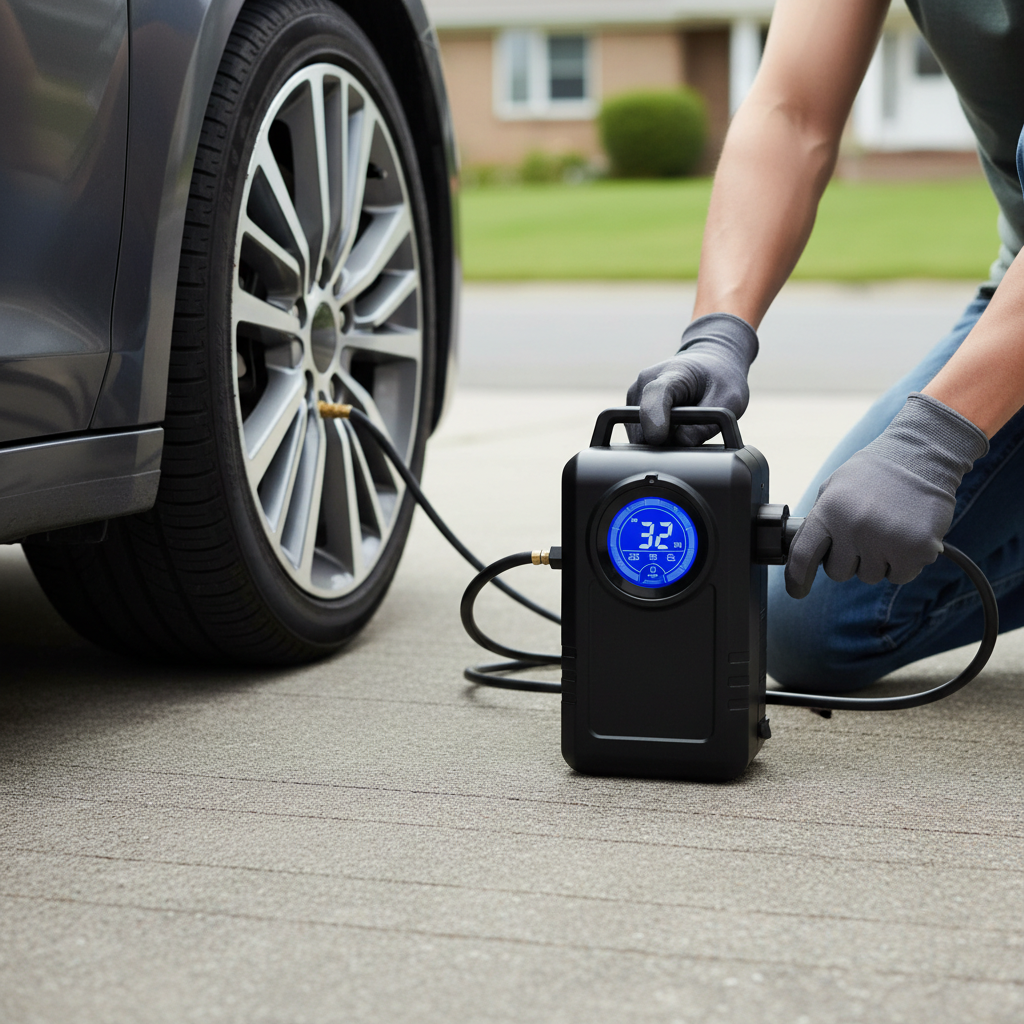
What “accurate reading” really means for tire inflators
Most people mean two things when they say “accurate”: the gauge matches a trusted reference, and the number stays stable long enough to read without guessing. In practice, you want consistency as much as absolute precision, because you’ll top off tires many times across seasons.
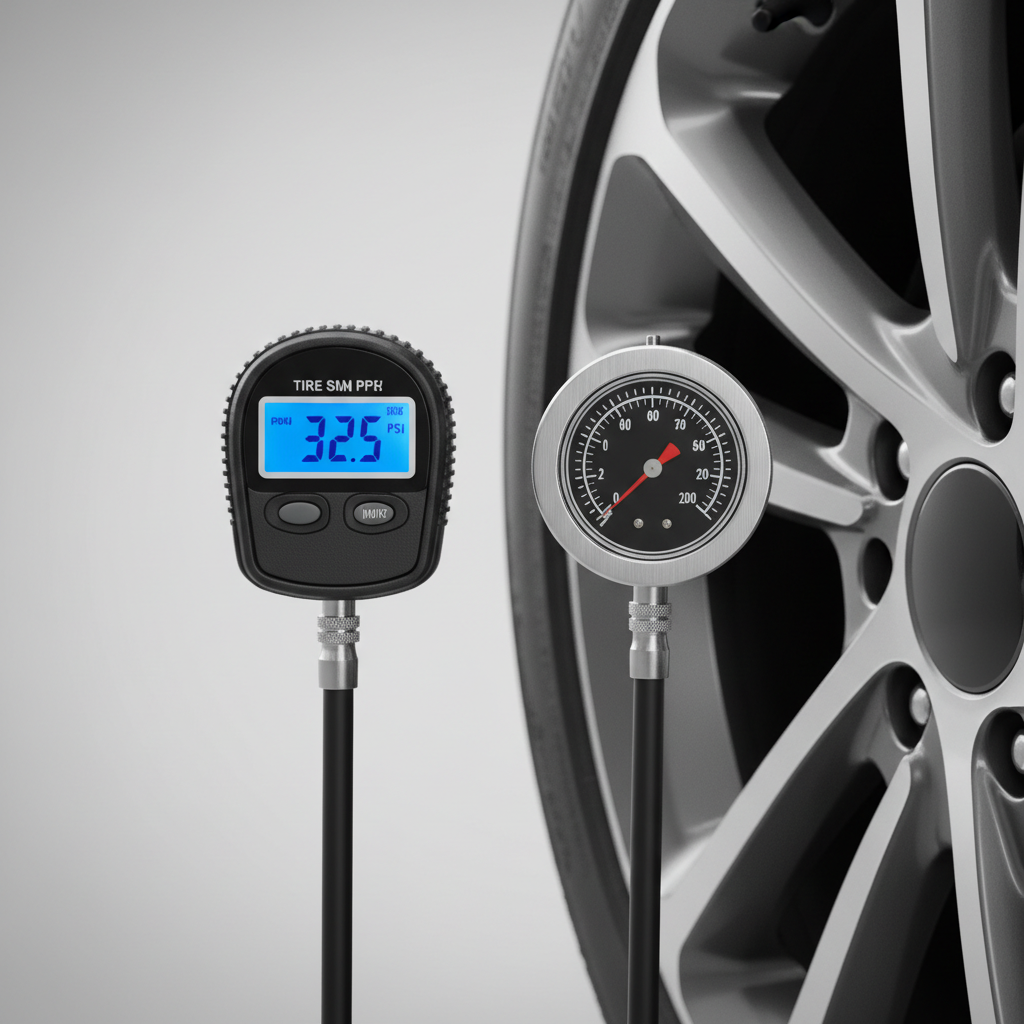
There are a few gauge styles you’ll run into:
- Digital gauge: easy to read at night, often shows PSI in 0.5 or 0.1 increments, but can vary by battery level or sensor quality.
- Analog dial gauge: no battery anxiety, but cheap dials can drift and small markings can be hard to read.
- Pencil-style gauge (less common on inflators): simple, but not ideal for fast, repeatable readings.
According to NHTSA, properly inflated tires help with vehicle handling and reduce risk tied to tire failure. That does not mean an inflator “prevents” issues on its own, but it’s a solid reminder that pressure checks are not just a neat-to-have.
Why inflator gauges are often “wrong” (common real-world causes)
If you’ve ever checked a tire twice and gotten two different PSI numbers, you’re not imagining it. A few everyday factors can shift readings.
- Heat and driving: PSI rises as tires warm up. If you check right after highway driving, you may see a higher number than a cold-morning check.
- Air leaks at the chuck: a poor seal on the valve stem can bleed air while you measure, so you chase a moving target.
- Voltage drop (12V plug-in units): as the compressor works, some units may fluctuate and show jumpy readings.
- Calibration drift: budget gauges sometimes drift over time, especially if the unit gets bounced around in a trunk.
- User technique: pressing the chuck at an angle or not fully seated can give a false low reading.
It’s also normal for two different gauges to disagree slightly. What you want is a tool that’s repeatable and easy to use correctly.
Quick self-check: which type of inflator with gauge fits your use?
Before you shop, get clear on your use pattern. This prevents buying a powerful unit you hate using, or a tiny unit that feels like it takes forever.
- Apartment street parking: prioritize compact size, long enough cord, and an easy-to-read gauge at night.
- Family SUV/minivan: look for faster inflation, stable gauge readings, and a sturdy chuck that seals well.
- Road trips: reliability and heat management matter, plus a storage case so it doesn’t get crushed.
- Occasional top-offs only: a simpler unit with a trustworthy gauge is usually enough, speed matters less.
- Air mattresses, balls, bikes: choose an inflator that includes adapters and makes switching painless.
If you’re unsure, pick a middle-ground 12V inflator with a solid digital gauge and auto shutoff, that combo tends to cover the most situations without much fuss.
Key features to compare (what actually moves the needle)
Specs can be noisy. These are the features that typically affect day-to-day accuracy and usability.
Gauge readability and behavior
- Backlit display (digital) or high-contrast markings (analog)
- Stable reading: numbers shouldn’t jump wildly when the chuck is seated correctly
- Units: PSI is the main one in the U.S., but kPa/bar can be handy if you follow non-U.S. charts
Chuck design and hose quality
- Locking lever chuck often seals better than a basic push-on, especially if you’re topping off in awkward angles
- Hose length helps you reach all four tires without wrestling the unit
- Swivel head is underrated if you drive a vehicle with tight wheel spoke access
Auto shutoff (set-and-stop)
Auto shutoff can reduce overinflation mistakes, especially if you’re juggling two kids and a low-pressure alert. It’s not magic accuracy, but it reduces human error, which is usually the biggest variable.
Power source
- 12V DC (car outlet): common and dependable, but check cord length and fuse quality
- Battery-powered: convenient, but you must maintain charge, and cold weather can reduce performance
- AC plug: useful in a garage, less useful roadside
Comparison table: what to look for by scenario
Instead of naming “the one best model,” this table shows common buyer paths that tend to work.
| Scenario | Recommended type | Gauge preference | Must-have features | Nice-to-have |
|---|---|---|---|---|
| Daily commuter top-offs | Compact 12V inflator | Digital, backlit | Stable readings, decent chuck seal | Auto shutoff |
| Family vehicle + seasonal changes | Mid-size 12V inflator | Digital or large analog | Long hose/cord, heat management | Deflation button |
| Road trip kit | Rugged 12V inflator | Digital preferred | Case, strong chuck, easy controls | Work light |
| Garage use (car + inflatables) | Dual-power (AC/DC) inflator | Digital | Adapters, clear target PSI setting | Higher airflow |
| Minimalist emergency backup | Small battery inflator | Digital | Charge indicator, reliable sensor | USB-C charging |
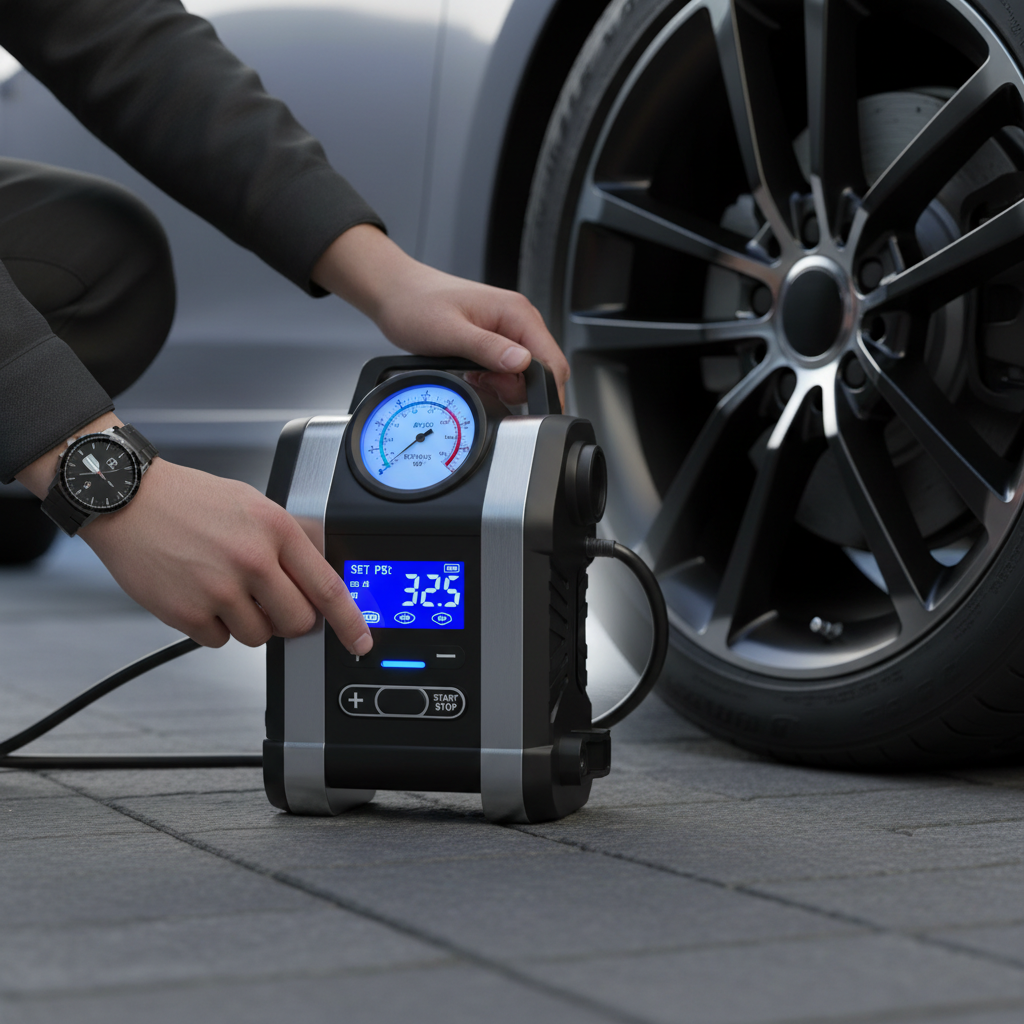
Practical buying guidance: how to spot a “good gauge” without lab equipment
You usually can’t verify calibration in a store, so you’re looking for signals that the manufacturer took accuracy seriously and that the design reduces user error.
- Clear spec language: reputable brands often state a gauge tolerance range, even if it’s not perfect.
- Good chuck engagement: reviews often mention “easy to get a seal” or complain about constant leaking, that’s a big tell.
- Repeatability: look for comments like “reads the same when I check twice,” that matters more than someone claiming it matches a gas station gauge.
- Controls that reduce mistakes: auto shutoff, a dedicated “+/-” PSI button, or a deflation option can prevent overshooting.
- Warranty and support: a company willing to back the tool often has better quality control, though it’s not a guarantee.
If accurate reading is your top priority, a smart move is to keep a separate, quality tire pressure gauge to spot-check your inflator occasionally. Many people do this once a season and catch drift early.
How to use a tire inflator with gauge for more accurate results
This is the part that quietly fixes most “my gauge is wrong” complaints. Technique matters.
- Check cold tires when possible: morning before driving is ideal. If you already drove, aim for consistency, check at similar times.
- Seat the chuck straight: push on firmly, then lock if your chuck has a lever, you want a clean seal before reading.
- Use the door jamb sticker: follow the vehicle manufacturer’s recommended PSI, not the tire sidewall maximum.
- Inflate in short bursts (manual units): it’s easier to control, and some gauges stabilize better.
- Recheck each tire: if you want tighter consistency, do a quick second read after disconnecting and reconnecting.
According to Tire Industry Association guidance in many consumer-facing materials, using the vehicle placard PSI and checking pressure regularly is a common best practice. If you’re unsure what your target PSI should be for load conditions, a tire professional can help you interpret your specific setup.
Common mistakes (and what to do instead)
- Chasing the gas station gauge: station gauges can be worn or damaged. Use your own baseline tool and stick with it.
- Ignoring a slow leak: if one tire keeps dropping faster than the others, the inflator isn’t the fix. You may need a repair or valve service.
- Overinflating for “better MPG”: small changes may not help much and can affect ride and traction. Stay near the recommended PSI unless a professional advises otherwise.
- Assuming higher max PSI means better: a higher-rated compressor doesn’t automatically mean more accurate, it often just means more power.
- Using a weak power connection: if the unit runs off 12V, plug directly into the vehicle outlet, avoid flimsy adapters that can cause unstable operation.
When you should get professional help (and not just keep inflating)
Inflators are great for maintenance, not for diagnosing every tire issue. Consider a tire shop or qualified mechanic if you notice any of the following:
- Repeated low pressure in the same tire over days or a week
- Visible damage like bulges, sidewall cuts, or cords showing
- TPMS warning keeps returning right after you set correct pressure
- Major pressure mismatch you can’t explain between your gauge and another trusted gauge
Driving on a compromised tire can be risky. If you suspect damage, reducing speed and getting the tire inspected is usually a safer call, and in urgent situations you may need roadside assistance.
Key takeaways and a simple next step
If you want accurate readings, focus less on flashy specs and more on gauge stability, chuck seal quality, and a setup that matches your real routine. For most drivers, a 12V inflator with a clear digital gauge and auto shutoff hits the sweet spot.
Your next step can be very simple: pick one of the scenarios from the table, buy accordingly, then do a quick spot-check against a separate gauge once a season so you know what “normal” looks like for your tools.
FAQ
What is the most important feature in the best car tire inflators with gauge?
A gauge you can read quickly and a chuck that seals reliably. If the seal is finicky, your PSI reading becomes guesswork, even with a great display.
Are digital tire inflators with gauges more accurate than analog?
Not always. Digital is usually easier to read and can feel more precise, but sensor quality varies. A well-made analog dial can be consistent, while a cheap digital unit can drift.
Why does my inflator’s gauge disagree with my handheld gauge?
Small differences are common, and some gauges read slightly higher or lower by design. If the difference is large or inconsistent, suspect a sealing issue at the chuck or a gauge that’s drifting.
Should I inflate to the number on the tire sidewall?
Usually no. The sidewall shows the tire’s maximum pressure rating, not your vehicle’s recommended setting. Use the driver door jamb placard unless a professional advises otherwise for your load or tire setup.
Do I need auto shutoff on a tire inflator?
You don’t need it, but it’s helpful if you tend to overshoot or you want to multitask. It’s more about reducing user error than “making the gauge accurate.”
How often should I check tire pressure with an inflator and gauge?
Many drivers aim for monthly checks and before long trips, and it’s smart to check when temperatures swing. If you see frequent drops in one tire, get it inspected instead of just topping off.
Can a tire inflator fix a TPMS light permanently?
It can turn the light off if the issue is simply low pressure, but a recurring TPMS warning can also come from a slow leak or a sensor issue. If it keeps coming back, an inspection is a safer bet.
If you’re shopping and want a more “no guesswork” setup, look for an inflator that combines a readable gauge, a leak-resistant chuck, and auto shutoff, then pair it with a small standalone pressure gauge for quick verification when something feels off.