
how to keep car cool in summer starts with reducing heat gain before you park, then dumping hot air fast when you return, because a sealed cabin behaves like a little greenhouse.
If you drive in places like Arizona, Texas, Nevada, or even humid East Coast summers, this matters for comfort, but also for safety and wear on your interior, battery, and electronics. A “just crank the A/C” approach works sometimes, yet it can waste fuel and still leave you sweating for the first ten minutes.
This guide breaks it into what actually moves the needle: smart parking choices, glass and cabin heat control, quick cooldown techniques, and a few upgrades that usually pay off. I’ll also flag common “tips” that sound good but often disappoint in real life.
Why your car gets brutally hot (and what that implies)
Most of the heat comes through glass. Sunlight passes in, then turns into heat that gets trapped, especially on dark dashboards, leather seats, and steering wheels.
That implies two practical priorities: block radiation at the windows, and vent hot air early. According to the National Weather Service, temperatures in enclosed vehicles can rise quickly in warm conditions, which is why quick ventilation matters even for short stops.
- Glass is the main entry point, so windshield and side-window strategies do more than most seat covers.
- Heat soak is real, plastics and foam store heat, so a car can feel hot even after the air cools.
- Humidity changes the game, in humid areas your A/C has to dehumidify too, which can slow comfort.
Quick self-check: what’s making your car the hottest?
Before buying anything, identify your main driver. Two cars parked next to each other can feel completely different based on glass, color, and parking situation.
- Lots of direct sun through the windshield? You need better windshield coverage and smarter parking angles.
- Side windows baking your seats and armrests? Side shades or legal tint may be your best ROI.
- Cabin stays hot even after A/C starts? You’re fighting heat soak, so focus on venting first, then A/C technique.
- Kids or pets ride often? Prioritize faster, repeatable cooldown routines and safety habits.
- Parked outdoors for hours most days? Long-duration strategies (sunshade + tint + cover) matter more than hacks.
Parking choices that actually keep the cabin cooler
Shade beats gadgets. If you can choose a spot, do that first, then add tools to reduce radiant heat.
Pick shade, then think about sun angle
In many parking lots, “shade now” becomes “full sun later.” If you can, park so the windshield faces away from where the sun will be strongest during your return window.
- Use buildings and trees, but watch for sap, birds, and falling debris.
- If you’ll be gone 1–3 hours, prioritize shading the windshield and driver side.
- If you’ll be gone all day, consider a car cover designed for heat and UV, if wind and time make it realistic.
Block the sun: the highest-impact tools
If you want to know how to keep car cool in summer without reinventing your routine, start with window and surface protection. It’s boring, but it works.
Windshield sunshade (choose the right type)
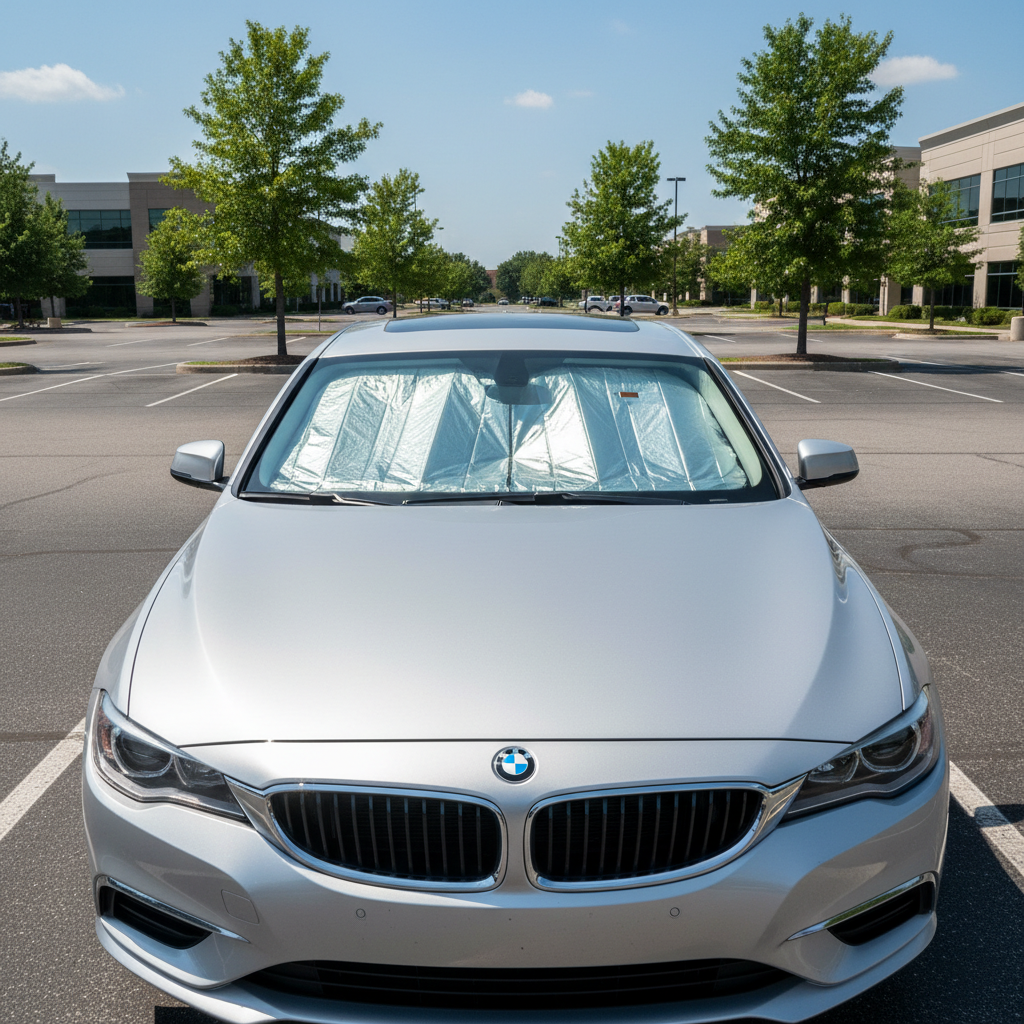
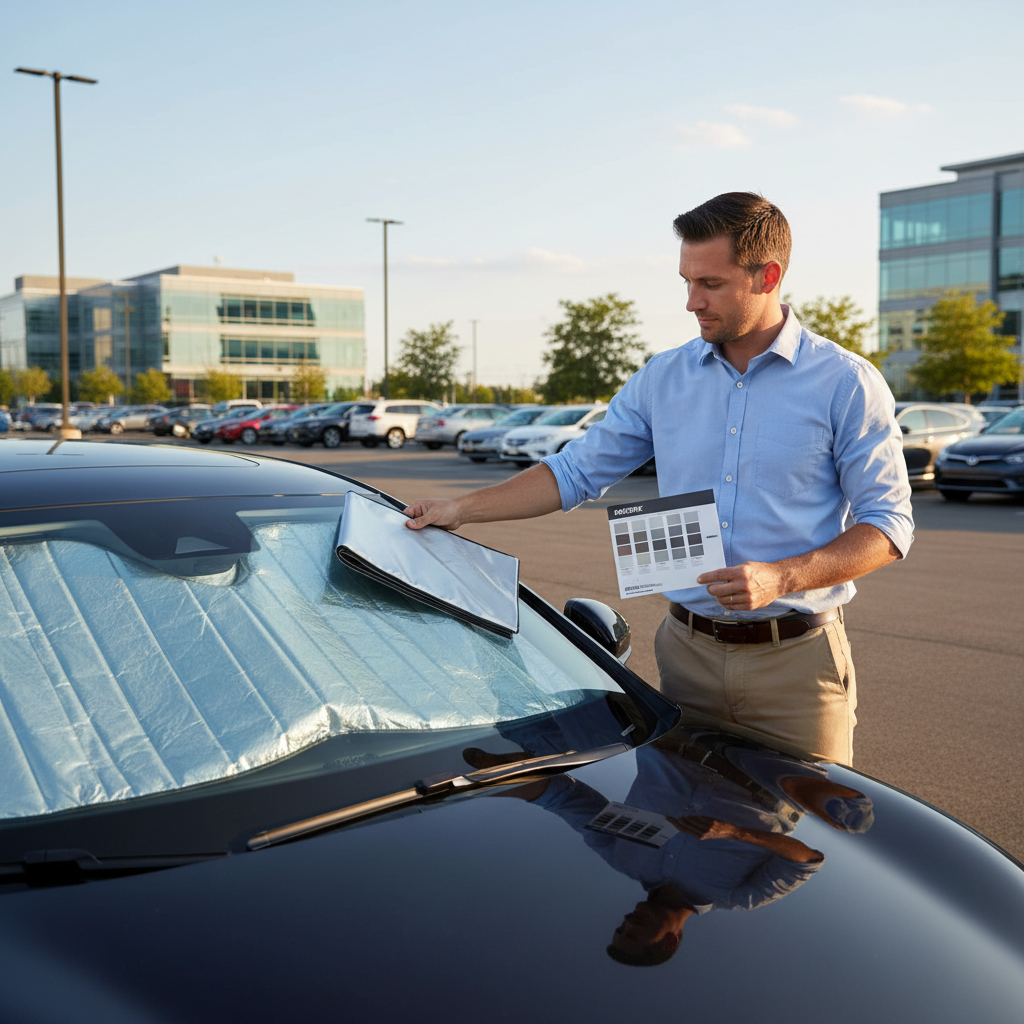
A well-fitted reflective sunshade can meaningfully reduce dashboard and steering wheel temps. The fit matters more than the brand.
- Accordion or rigid-fit shades usually seal better than flimsy roll-up styles.
- Cover to edge: gaps near the mirror area still let in a lot of light.
- Keep it accessible: if it’s annoying to use, you won’t use it.
Window tint (stay legal, think heat rejection not darkness)
Tint can reduce heat and UV exposure, but laws vary by state. If you go this route, ask specifically about heat rejection performance, not just how dark it looks.
According to the Skin Cancer Foundation, UV exposure can occur through car windows, and UVA can penetrate glass, so UV-reducing films can have benefits beyond comfort. For legality and safety, it’s smart to have a reputable installer confirm your state’s visible light transmission limits.
Seat and steering wheel protection
These don’t cool the air, yet they reduce that “I can’t touch anything” problem.
- Light-colored seat covers tend to heat less than dark ones.
- Steering wheel cover or a simple cloth drape can prevent burns on very hot days.
- Dash mats can reduce glare and slow heat soak, though they won’t replace a sunshade.
Fast cooldown routine when you return to a hot car
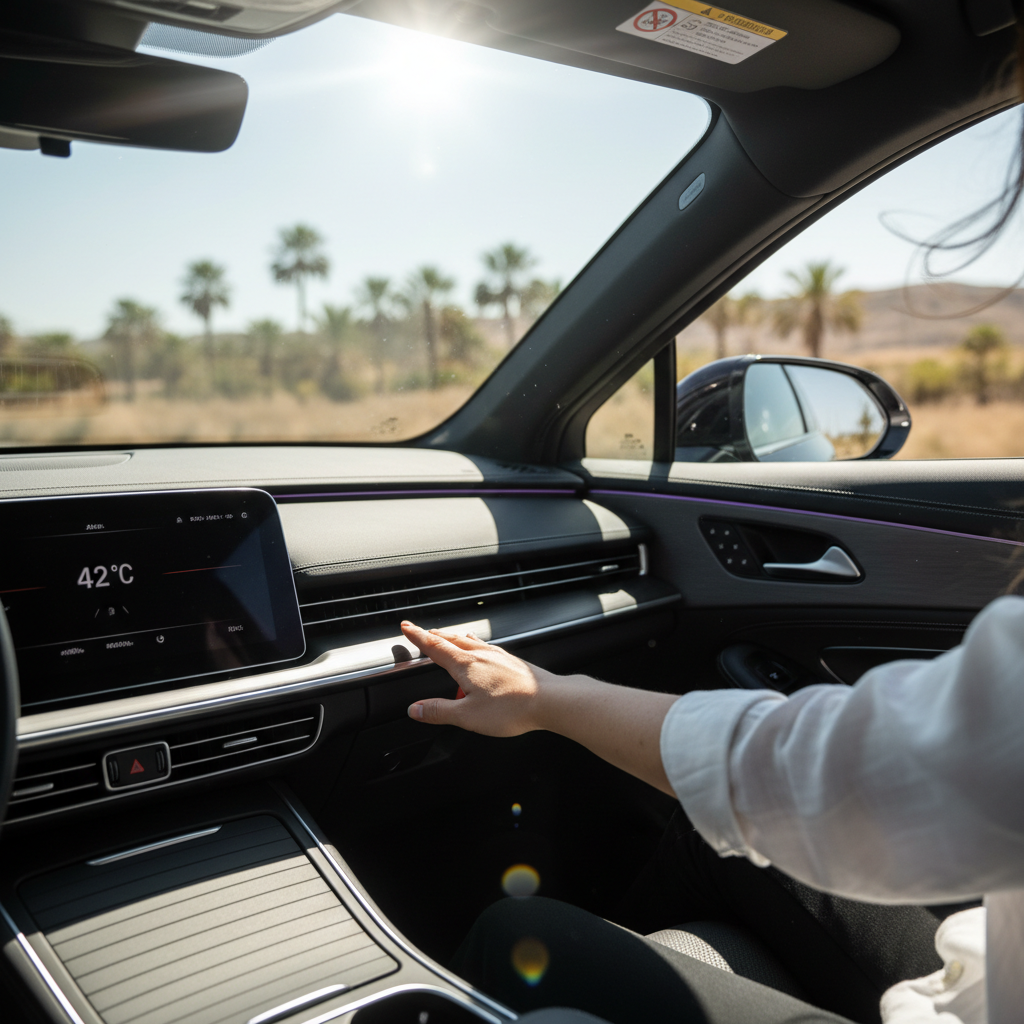
When the cabin feels like an oven, the first goal is dumping trapped hot air. Then you can cool what remains efficiently.
The 60–120 second vent-first method
- Open doors briefly (or at least one door plus the opposite window) to flush the hottest air.
- Start driving if safe: moving air helps more than idling in many cases.
- Set A/C to max cool with fresh air for a moment, then switch to recirculation once cabin air starts dropping.
Why the switch matters: recirculation cools already-cooled cabin air, but if the cabin starts at extreme temps, a short fresh-air phase can help purge heat first.
Don’t forget the rear vents and floor mode
If your vehicle has rear vents, open them. If not, aiming some airflow toward the floor can cool the bulk air faster, since cooler air sinks and helps mix the cabin.
Practical upgrades for people who park outside a lot
If you keep searching how to keep car cool in summer, it often means your day-to-day reality involves long outdoor parking. That’s where a few upgrades can be worth it.
Remote start or pre-conditioning
Convenient, but not magic. It helps most when you can run it shortly before you leave, and when you still vent the cabin quickly. Be mindful of local idling rules and garage safety, if you park at home.
Wind deflectors for safe cracking (with caution)
Some people crack windows slightly. In many situations it helps a bit, but it can add theft risk and may not do much in direct sun. If you try it, keep the opening small and consider wind deflectors, yet prioritize safety and your local context.
Reflective car cover (best for long, sunny stretches)
A cover can dramatically reduce heat load, but it’s only “practical” if you’ll actually put it on and take it off. Windy areas and dusty lots can make this annoying.
Common mistakes that waste effort
A few popular tips sound clever, but usually don’t deliver much outside specific conditions.
- Relying on dark tint alone: darkness does not equal heat rejection, film quality and specs matter.
- Blasting A/C on recirc immediately without venting: you can end up cooling superheated air longer than needed.
- Leaving electronics in the cabin: phones, batteries, and some dash cams can overheat; check manufacturer guidance.
- Using random home films: poor-quality films can bubble, distort visibility, or violate tint laws.
Safety notes: heat, kids, pets, and health conditions
Cabin heat becomes dangerous fast. According to the Centers for Disease Control and Prevention, leaving children in a vehicle can lead to heatstroke, and risk can rise quickly even when outside temperatures feel “not that bad.” If you have any health concerns, it may be worth asking a clinician for personalized advice about heat exposure.
Also, if your A/C struggles in moderate heat, that’s a separate issue. Refrigerant leaks, condenser problems, and cabin air filter clogs are common culprits, and a qualified technician can diagnose safely.
What to do, based on your scenario (a simple table)
If you want a quick plan without overthinking it, match your situation to a setup you’ll actually maintain.
| Scenario | What to do today | Worth considering next |
|---|---|---|
| Errands, 10–30 min stops | Park in shade, use windshield sunshade, vent for 30–60 sec before driving | Side window shades for sun-facing side |
| Workday parking outdoors | Rigid-fit sunshade + steering wheel cover, choose sun angle wisely | Legal heat-rejecting tint, reflective car cover if practical |
| Hot climate + leather interior | Seat cover or light towel, vent-first cooldown routine | Higher-performance ceramic film (within legal limits) |
| A/C feels weak in heat | Replace cabin air filter, check vents and settings | Have A/C system inspected by a professional |
Key takeaways (keep it simple)
- Block sunlight at the glass first, especially the windshield.
- Vent hot air before relying on A/C, it shortens the miserable phase.
- Choose upgrades you’ll use daily, the “best” product unused does nothing.
- Heat safety beats comfort, never assume short stops are safe for kids or pets.
Keeping your vehicle comfortable in extreme heat is less about one trick and more about a repeatable routine: shade when possible, a real sunshade every time, then a quick vent-and-cool process when you get back in. If you pick just one action today, make it the windshield sunshade plus a 60-second vent habit, those two usually outperform most other tweaks.
If you want, make a short checklist on your phone for the next week and see what changes your “first three minutes in the car” feel like, that’s the part most people care about, and it’s easy to measure.