
How to defrost windshield fast usually comes down to two things: getting warm, dry air on the glass and avoiding “shortcuts” that crack windshields or leave you with fog the second you pull out.
If you’re late for work, standing outside with a scraper feels like punishment, but rushing the wrong way can cost you more time and money than you save. Cold glass + sudden heat + the wrong fluids is where people get burned, sometimes literally.
This guide focuses on what works in real driveways and parking lots: a quick setup inside the car, a few fast outside moves, and a simple checklist to pick the safest method for your situation.
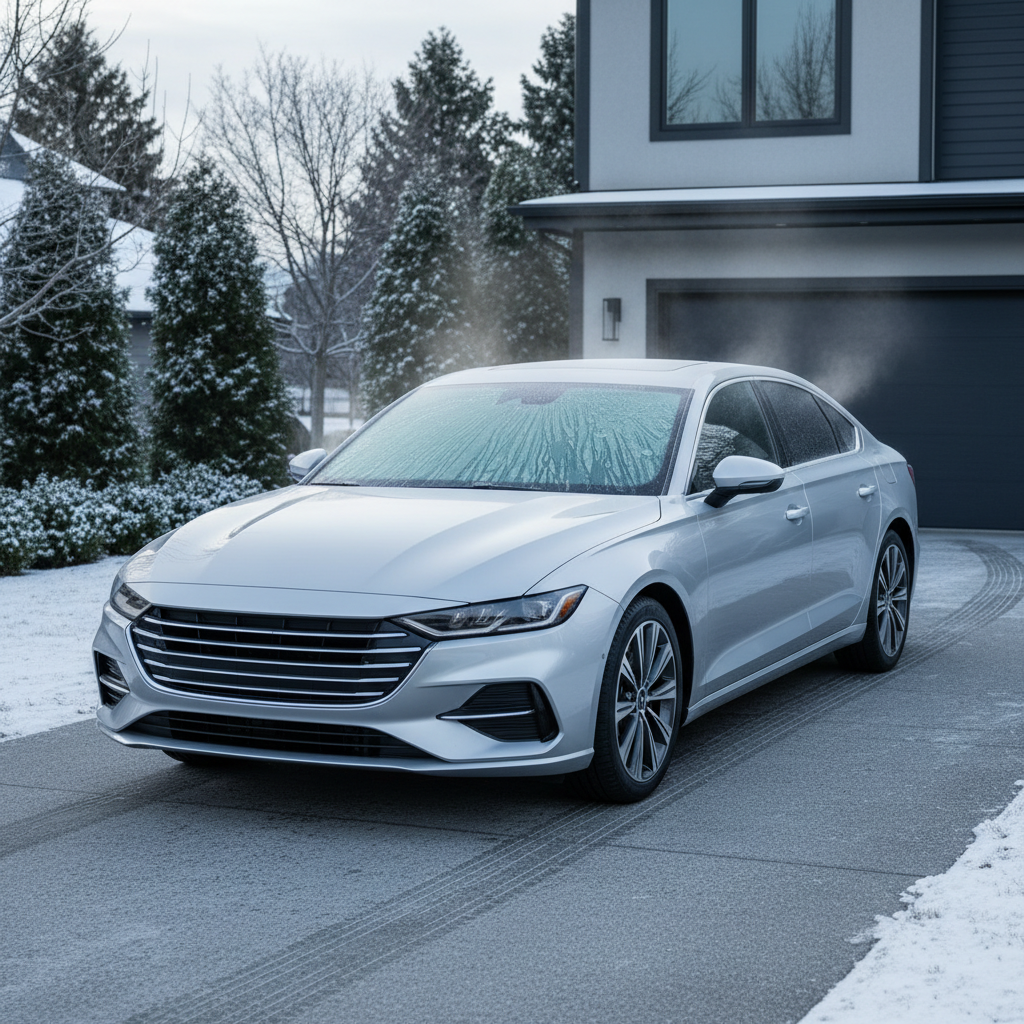
Why windshields ice up (and why it’s hard to beat fast)
Frost forms when the windshield temperature drops below the dew point, moisture hits the glass, and it freezes. The tricky part is you’re fighting both ice on the outside and often humidity inside that turns into fog once the cabin warms.
- Radiative cooling overnight: glass sheds heat to the sky faster than the air cools.
- Moisture sources: wet floor mats, snow on boots, even breathing adds cabin humidity.
- Thin ice vs. glazed ice: light frost responds fast to airflow, glazed ice needs mechanical help.
According to the National Weather Service, freezing rain and rapid temperature drops can create a clear, stubborn layer of ice that is harder to remove than powdery frost, that’s when you adjust expectations and methods.
Fastest safe method: set the cabin up like a defrost machine
If you want the quickest “set it and forget it” approach, use the car’s systems correctly. The goal is warm air plus low humidity, not just blasting heat.
Step-by-step settings that work in most cars
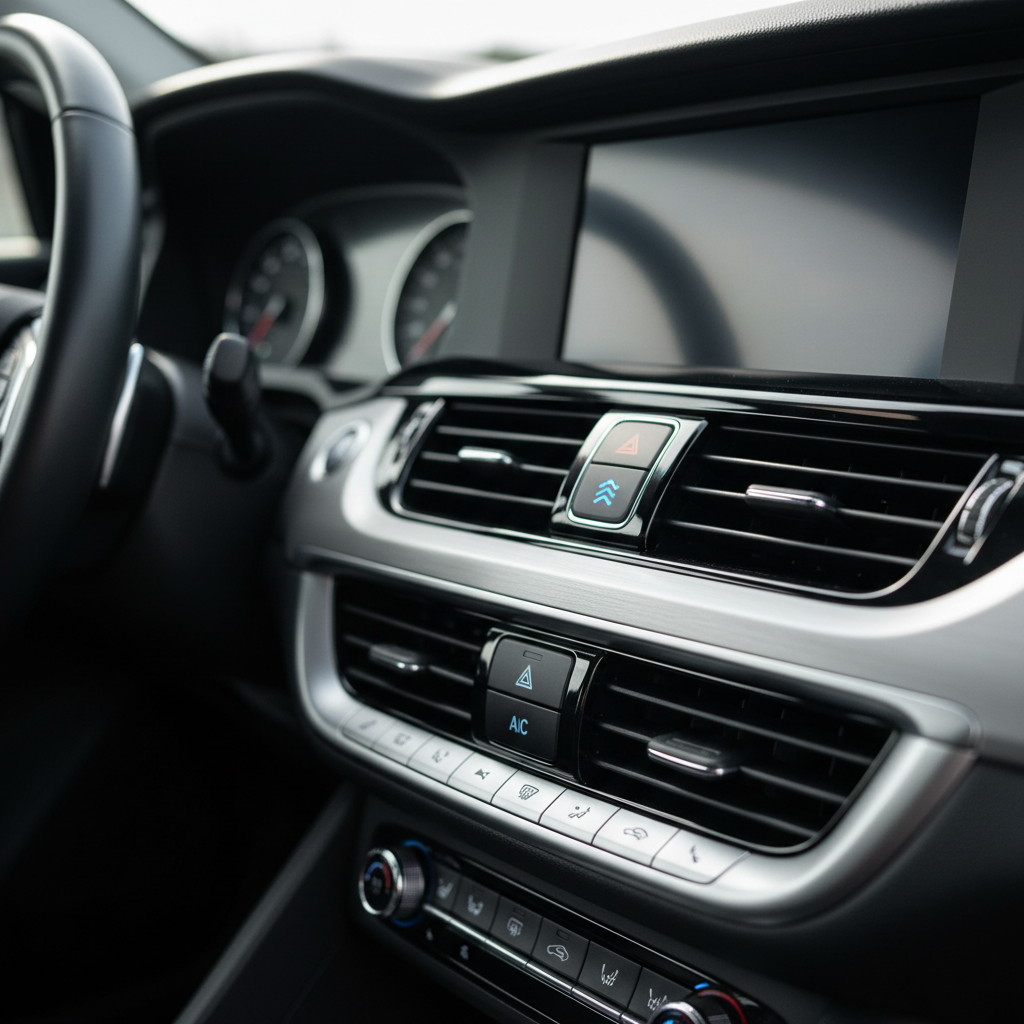
- Start the engine and switch HVAC to DEFROST (windshield icon), not face vents.
- Turn A/C ON even in winter, it helps dry the air and reduces fogging.
- Set temperature to warm/hot, then use a medium-to-high fan once the engine warms.
- Select fresh air (outside air) at first if fog is heavy, recirculation can trap moisture.
- Hit rear defrost if your side mirrors are tied into that circuit.
Many people skip A/C because it “feels wrong” in winter, but it’s one of the easiest ways to speed up clearing. If you’re wondering how to defrost windshield fast without extra products, this is the baseline.
Outside moves that save minutes (without cracking glass)
While the cabin warms, you can shave time outside. The trick is choosing moves that don’t create thermal shock.
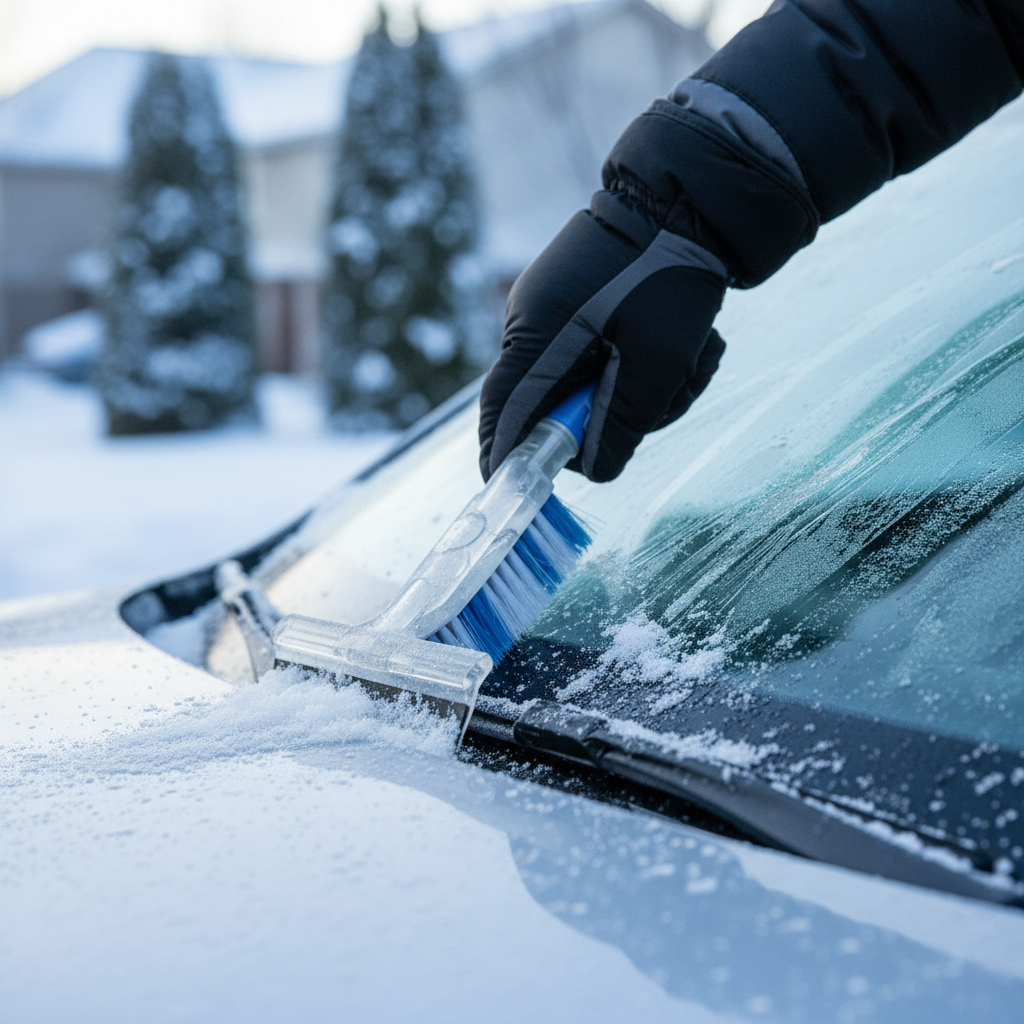
- Use a proper ice scraper at a low angle, short strokes, don’t gouge.
- Brush snow first, snow insulates ice and slows melting.
- Lift wipers carefully if they’re not frozen to the glass, but don’t force them.
- Break the seal at the edges, ice often “locks” around the windshield perimeter.
Hot water is the classic panic move, but it’s also the classic way to turn a cold windshield into a cracked one. Even if it doesn’t crack today, it can stress the glass and show up later.
Quick comparison table: choose the right defrost approach
Different ice types respond to different tools. This quick table helps you pick a plan instead of guessing.
| Situation | Best quick method | What to avoid |
|---|---|---|
| Light frost, thin white layer | Defrost mode + A/C + light scraping | Wipers on dry ice (can tear rubber) |
| Glazed ice, clear hard sheet | Warm cabin air + scraper + time | Hot water, metal tools |
| Inside fog that turns to ice film | A/C on + fresh air + clean glass | Recirculation-only, wiping with sleeve |
| Freezing rain still falling | Keep defroster running, drive only if clear | Stopping the defroster once it looks “okay” |
DIY de-icer options: what’s reasonable, what’s risky
If scraping feels endless, a de-icer can help, but not every DIY mix is a good idea. Some solutions can dry rubber, affect paint, or leave residue that smears later.
Store-bought de-icer sprays
These are made for automotive use and are usually the least headache. Use as directed, and avoid overspray onto wiper blades if the label warns about it.
Common DIY mix: isopropyl alcohol + water
A widely discussed approach is rubbing alcohol diluted with water in a spray bottle. It can melt frost quickly because alcohol lowers the freezing point, but concentrations vary, and it’s easy to overdo it and dry out rubber or smear grime across the glass. If you try it, keep it for outside glass only, use light misting, and stop if you see streaking or wiper chatter.
According to the CDC, isopropyl alcohol is flammable and can irritate eyes and skin, so treat it like a chemical product, ventilate, avoid sparks, and store it away from kids and heat sources.
Self-check: why your windshield won’t clear (and how to fix it)
If you feel like you’re doing everything right and it still takes forever, it’s usually one of these issues.
- Cabin humidity too high: remove wet mats, crack a window briefly, run A/C with defrost.
- Dirty inside glass: residue makes fog cling; clean with an automotive glass cleaner and a microfiber towel.
- Weak airflow: a clogged cabin air filter can reduce defrost performance, replace if it smells musty or airflow feels low.
- Thermostat or heater issues: engine not warming normally means the heater can’t deliver.
- Wiper blades frozen or worn: they smear water into instant re-freeze, making visibility worse.
In a lot of day-to-day cases, cleaning the inside glass and replacing a cheap cabin filter does more for how to defrost windshield fast than another gadget.
What not to do (common shortcuts that backfire)
- Don’t pour boiling or very hot water on the windshield. Rapid temperature change can crack glass.
- Don’t use metal scrapers or sharp tools. They scratch and can create weak points.
- Don’t run wipers on heavy ice. It can rip the blade edge or overload the wiper motor.
- Don’t rely on recirculation when windows fog. It often keeps moisture trapped.
- Don’t drive with a “peephole.” It’s unsafe and can be illegal depending on your state.
According to the National Highway Traffic Safety Administration (NHTSA), maintaining clear visibility through all windows is a core safe-driving requirement, and partial clearing can still leave dangerous blind spots.
Practical routine: a 3-minute plan for most winter mornings
If you want a repeatable routine, use this. It’s not fancy, it just avoids the usual time-wasters.
- 0:00–0:30 Start engine, set defrost + A/C on + warm temp, fresh air mode.
- 0:30–1:30 Brush snow off hood and windshield area, then scrape edges and driver sightline.
- 1:30–3:00 Finish scraping, free wipers gently, check side windows and mirrors.
If conditions are rough, accept that it may take longer and plan that into your morning. The safest way to move fast is not having to redo it at the end of the driveway.
When it’s time to get help or service checked
If the windshield stays hazy after several minutes of proper settings, or the cabin never warms, something may be off mechanically. You might consider a shop inspection if you notice any of these:
- Defrost vents blow weakly even on high, especially after changing fan speed.
- Sweet smell or persistent fogging, which can suggest a heater core issue, address promptly.
- Coolant temperature gauge stays low after driving, possible thermostat problems.
- Cracks already present, sudden temperature swings can worsen them, a glass specialist can advise.
For anything involving coolant leaks or electrical issues, it’s usually safer to consult a qualified mechanic, especially if visibility problems could tempt you to drive before the glass clears.
Conclusion: clear glass first, then drive
If you keep one idea in mind, make it this: warm, dry airflow plus a little scraping beats risky hacks almost every time. Set defrost correctly, use A/C to pull moisture out, and treat outside ice like a quick mechanical job rather than a battle of brute force.
Action you can take today: clean the inside windshield tonight and check your cabin air filter this week, both make the next cold morning noticeably easier.
Key takeaways
- Defrost + A/C clears faster because it dries cabin air.
- Scrape smart while the engine warms, don’t wait doing nothing.
- Avoid hot water and wipers-on-ice, both can create expensive problems.
FAQ
How do I defrost a windshield fast without scraping?
You can reduce scraping by using defrost mode with A/C on and giving it a few minutes, but if there’s a hard ice layer, most cars still need some scraping for safe visibility.
Should I use hot or warm water to melt windshield ice?
It’s generally not recommended. Even warm water can create temperature stress on very cold glass, and it often refreezes quickly, leaving you with an even slicker layer.
Why does my windshield fog up while I’m trying to defrost it?
That usually means cabin humidity is high. Turn on A/C, switch to fresh air, and remove moisture sources like wet mats, the system needs drier air to keep the glass clear.
Is it okay to use rubbing alcohol to melt ice on the windshield?
Many drivers do, but results vary by concentration and conditions. If you try it, use light misting on exterior glass only and store it safely since it’s flammable; stop if it causes smearing.
How long should it take for a car defroster to work?
Light frost can clear in a few minutes, while glazed ice can take longer, especially if the engine is still cold. If it never improves, airflow or heating issues may be involved.
What setting clears windows the fastest: recirculate or fresh air?
Fresh air often helps when the cabin is humid because it brings in drier air. Recirculation can work after the glass is clear and humidity drops, but it can worsen fog early on.
Can I drive with a small cleared spot and let it finish defrosting?
It’s risky. You may not see pedestrians or cross traffic, and it may be illegal depending on local rules. Clear enough glass to see safely before moving.
If you’re dealing with repeated heavy icing, a simple winter kit makes mornings less chaotic: a sturdy scraper, snow brush, microfiber towel, and a windshield cover or quality de-icer. If you prefer a more hands-off routine, prepping the night before often beats any last-minute trick.