
How to check car power steering pump failure usually comes down to three things you can feel or hear quickly: steering effort, noise, and fluid behavior.
If you catch a weak pump early, you may avoid cooking the pump completely, contaminating the system with metal, or chewing up the steering rack. Ignore it long enough, and what started as a small leak can turn into a bigger repair decision.
This guide walks you through the most practical checks you can do in a driveway, what each symptom tends to mean, and when it stops being a DIY diagnosis and becomes a “get it inspected” moment.
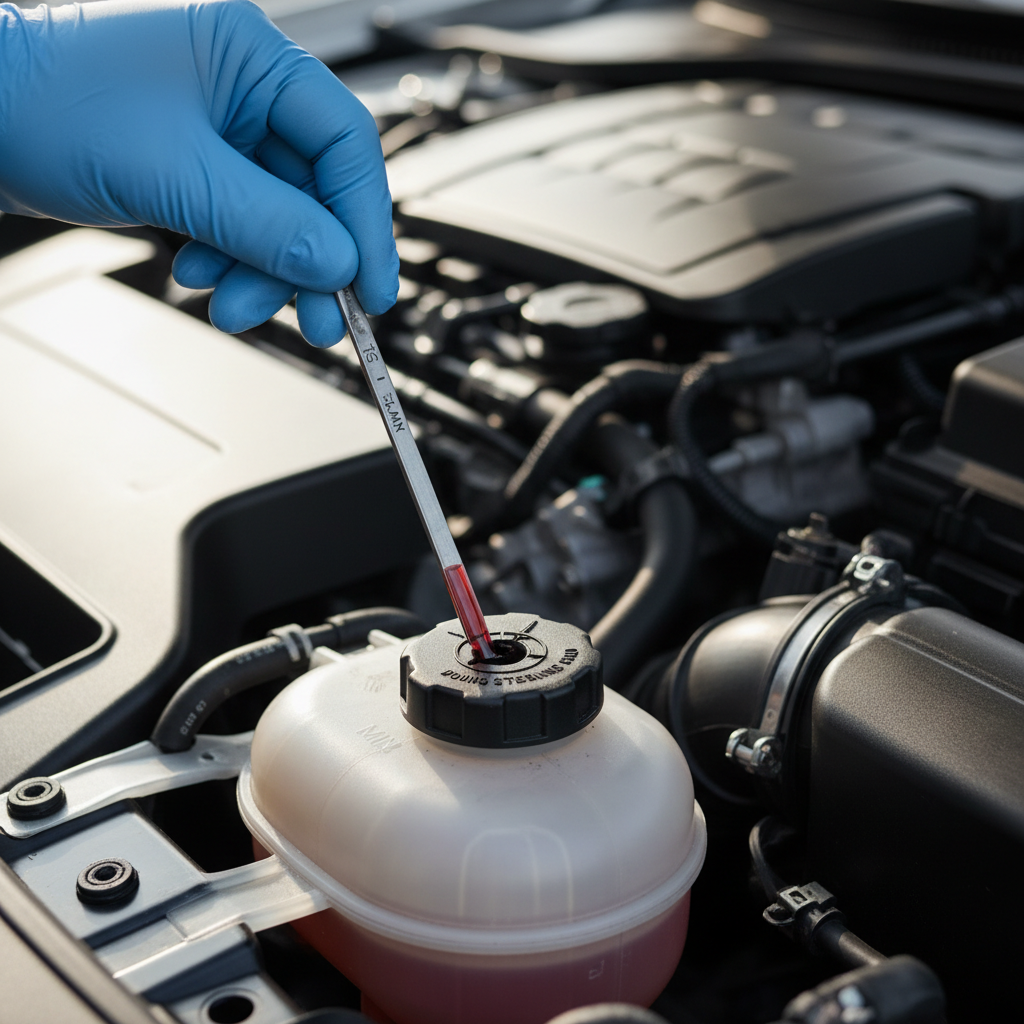
What a power steering pump does (and why failures feel “sudden”)
The power steering pump pressurizes fluid so the steering gear can assist your input. When pressure drops, the wheel gets heavier, especially at low speed and while parking.
Failures often feel sudden because a small leak or aeration can quickly become cavitation, that “growl” you hear when the pump starts pulling air instead of fluid. That’s also when heat rises fast, and heat is rough on seals and bearings.
According to NHTSA, some power steering issues can affect vehicle control, so if steering effort changes dramatically or you hear loud grinding, treat it as a safety concern and consider professional inspection.
Common power steering pump failure symptoms (what they usually mean)
You’re not just listening for “a noise,” you’re looking for patterns: when it happens, how it changes with RPM, and whether fluid level or bubbles show up.
- Whining or groaning while turning: often low fluid, air in system, or pump wear.
- Steering feels heavy at idle but improves with RPM: pump output may be weak.
- Intermittent assist: fluid aeration, slipping belt, or a sticky flow control valve in the pump.
- Foamy fluid in reservoir: air ingress from a loose clamp, cracked hose, or low fluid level.
- Fluid leaks near pump pulley or hoses: seal failure, hose/line seep, or fitting issue.
- Grinding noise: can mean internal damage; continued driving risks spreading debris.
One nuance people miss: a noisy pump does not always mean the pump is “bad,” it can be reacting to low fluid from a leak elsewhere.
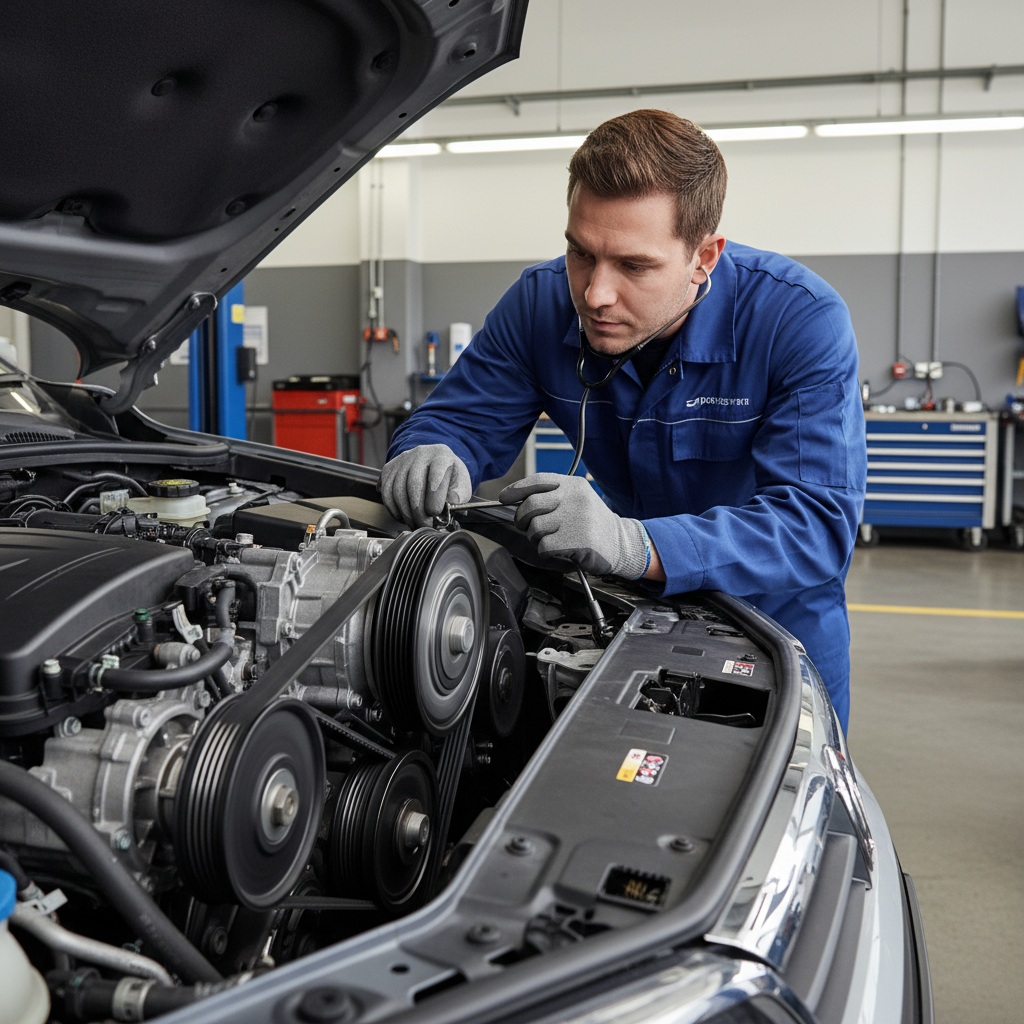
Quick self-check checklist (5–10 minutes)
If you want a fast answer before booking a shop visit, this checklist gets you most of the way. Do the checks on level ground, engine off unless noted, and keep hands clear of belts and pulleys.
- Check fluid level: compare to HOT/COLD marks (follow your owner’s manual). Low level is the most common trigger for noise.
- Inspect fluid condition: dark, burnt smell, or glittery particles suggests overheating or internal wear.
- Look for foam/bubbles in reservoir after running: points to air getting in.
- Scan for wet spots: pump front seal area, hose crimps, rack boots, and under the reservoir.
- Listen at idle: turn wheel slowly left/right; note when noise appears (end of travel vs mid-turn).
- Check belt condition/tension: glazing, cracks, or squeal can mimic pump failure.
If you only do one thing, do this: verify the correct fluid type. Some cars require specific fluids, and the wrong type can cause noise and poor assist. According to AAA, using the right vehicle fluids and keeping them at proper levels helps prevent avoidable breakdowns.
How to check car power steering pump failure at home (step-by-step tests)
How to check car power steering pump failure more confidently means separating pump problems from belt, hose, and steering gear issues. These tests are practical, not laboratory-perfect, but they help you decide your next move.
Test 1: Noise and RPM relationship
Start the engine, let it idle, and turn the wheel slightly off-center. If the pump whine changes noticeably with RPM, the pump may be struggling to build pressure or pulling air.
- Noise mostly at idle, improves with a little throttle: weak pump output or low fluid.
- Noise constant, very loud, and gets worse quickly: possible internal damage, stop pushing it.
Test 2: Reservoir bubble check (aeration)
With the engine running, look into the reservoir (don’t open a pressurized cap if your system warns against it). If you see persistent bubbles or foam, air is entering somewhere, and the pump is cavitating.
- Foam right after topping off can happen briefly, but it should settle.
- Foam that returns every drive suggests a leak on the suction side or very low fluid.
Test 3: Steering feel at low speed vs highway speed
In a safe area, compare parking-lot steering effort to normal driving. A failing pump often shows up worst at low speed. At higher speeds, you may not notice as much because steering loads are different.
If effort spikes suddenly or the wheel feels “notchy,” it might be more than the pump, and you should consider a professional diagnosis.
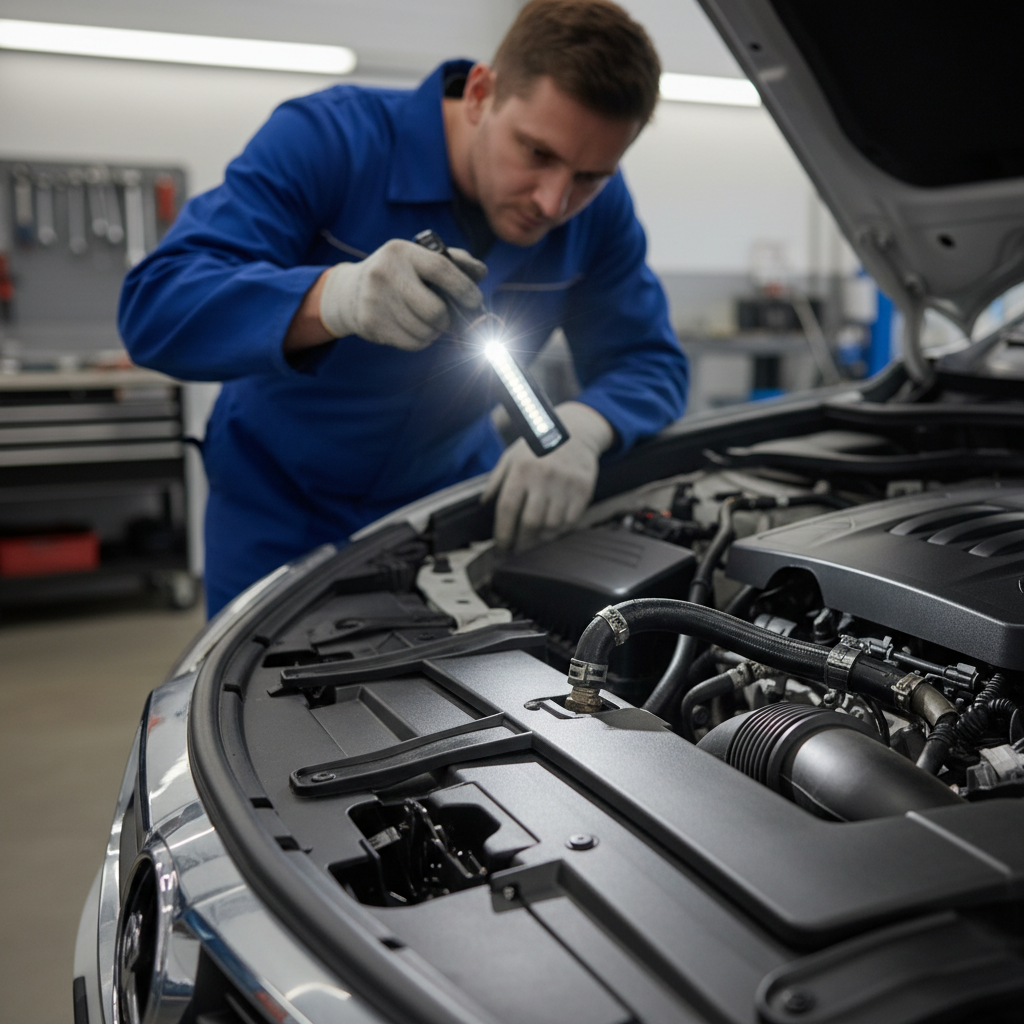
Test 4: Leak localization around the pump
Use a flashlight and check the pump body and pulley area. Fluid sling marks around the pulley often point to a front shaft seal leak. Hose fittings that look wet can be as simple as a deteriorated O-ring, but sometimes the hose crimp fails.
Symptoms vs likely causes (and what to do next)
Here’s a practical way to interpret what you’re seeing before you buy parts. Real cars can have multiple issues at once, so treat this as a decision aid, not a guarantee.
| Symptom | Likely cause | Good next step |
|---|---|---|
| Whine when turning, fluid low | External leak, pump pulling air | Find leak, refill with correct fluid, recheck |
| Foamy fluid, level looks okay | Air ingress on suction hose/clamp | Inspect reservoir-to-pump hose, clamps, cracks |
| Heavy steering at idle, better with RPM | Weak pump or belt slip | Check belt condition/tension, then consider pressure test |
| Grinding, metallic noise | Internal pump damage, possible debris | Limit driving, get system inspected, avoid contamination spread |
| Fluid dark/burnt | Overheating, aged fluid, pump strain | Consider flush per manufacturer guidance, inspect components |
Practical fixes by scenario (what’s realistic for DIY)
Some “pump failure” complaints are really maintenance or leak issues. Others are true pump wear. Here’s what usually makes sense, in order of least invasive to most.
If the fluid is low
- Top off with the exact fluid spec your vehicle calls for.
- Turn the wheel lock-to-lock slowly a few times to help purge air, then recheck level.
- Watch the level over a few days; if it drops, you have a leak to chase.
If you suspect air in the system
- Inspect the reservoir-to-pump inlet hose, that side often leaks air without dripping much fluid.
- Replace tired clamps or cracked hoses, then bleed the system per service manual steps.
If the belt looks questionable
- Replace a worn belt, and verify the tensioner works correctly.
- A chirp or squeal under steering load can be belt slip, not a dead pump.
If symptoms persist with correct fluid level
- Consider a shop pressure/flow test, it’s the cleanest way to confirm pump output.
- If you replace the pump, ask about flushing the system to reduce the chance of the new part failing early.
Common mistakes that waste time (or make it worse)
- Overfilling the reservoir: can cause aeration and messy overflow that looks like a leak.
- Holding the wheel at full lock for long: this spikes pressure and heat, and a weak pump complains loudly.
- Assuming any whine means “new pump”: leaks, wrong fluid, and belt issues can sound similar.
- Mixing fluid types: some mixes lead to seal swelling or noise in many cases, especially on finicky systems.
According to SAE International, hydraulic systems are sensitive to contamination, so keeping caps clean and avoiding dirt in the reservoir is more important than people think.
When to stop DIY and get professional help
If any of these show up, it’s usually smart to involve a professional technician, mainly because the next step often needs specialized tools or a lift.
- Steering assist cuts in and out, or effort becomes unpredictable
- Grinding noise, metal flakes in fluid, or repeated foaming after bleeding
- Visible leak near the rack boots, which can indicate internal rack seal issues
- Any warning message related to steering, or you’re not sure if your vehicle uses hydraulic, electro-hydraulic, or EPS
If the vehicle has electronic power steering (EPS) with no hydraulic pump, the checks above won’t apply the same way, and a scan tool diagnosis becomes more relevant.
Key takeaways (quick recap)
- Low fluid and air in the system cause a large share of “pump failure” symptoms.
- How to check car power steering pump failure effectively means verifying fluid level/condition, looking for bubbles, and ruling out belt slip.
- Grinding noises, burnt fluid, or metal particles are red flags, limit driving and get it inspected.
If you want a clean next step, check fluid type and level today, then schedule a pressure test if steering still feels heavy or noisy after leaks and belt condition are addressed.
FAQ
How do I know if it’s the power steering pump or just low fluid?
If topping off to the correct level reduces noise and steering effort, low fluid and an underlying leak are more likely. If symptoms return quickly or fluid foams repeatedly, the pump may be damaged or still pulling air.
Can a power steering pump fail without leaking?
Yes, internal wear can reduce pressure without an obvious external leak. You may notice heavy steering at idle and a whine that changes with RPM, and a shop pressure/flow test can confirm.
What does a failing power steering pump sound like?
Many drivers describe a whine or groan that gets louder while turning, especially at low speed. A harsh grinding sound is more concerning and may suggest internal damage.
Is it safe to drive with a bad power steering pump?
Sometimes you can limp the car short distances, but steering effort can increase suddenly and that can be a safety risk. If steering becomes unpredictable, it’s better to avoid driving and seek professional help.
Does flushing power steering fluid fix pump noise?
It can help in some cases if old, aerated, or contaminated fluid causes noise, but it won’t revive a pump with worn bearings or damaged internals. If there are metal particles, flushing needs extra care and a technician may recommend component inspection.
How much does it cost to replace a power steering pump?
It varies a lot by vehicle, labor access, and whether hoses or the rack also need work. Getting a written estimate after diagnosis usually prevents paying for parts that don’t solve the real cause.
How to check car power steering pump failure if my car has EPS?
If there’s no hydraulic fluid reservoir or pump, it’s likely EPS, and symptoms often relate to sensors, modules, or the electric assist motor. In that case, a scan for diagnostic trouble codes and a service manual flowchart is typically more useful than fluid checks.
If you’re trying to pin down a noisy or heavy steering complaint and want a more time-saving route, a quick pressure/flow test and leak inspection at a trusted local shop often clarifies whether you’re looking at a pump, a hose, or something deeper in the steering system.