Best car sun shade for moon roof skylight shoppers usually want the same thing: less cabin heat and glare without fighting a floppy cover that never fits right. A good shade can make summer drives more tolerable, protect interior trim from UV, and reduce that “hot spot” on your head and shoulders.
What trips people up is the moonroof itself, it’s not a flat windshield. Curves, recessed tracks, and tight headliners mean a “universal” product might sag, slide, or block the motorized shade. So the real question isn’t just “which one is best,” it’s which style matches your roof design and how you actually use it.
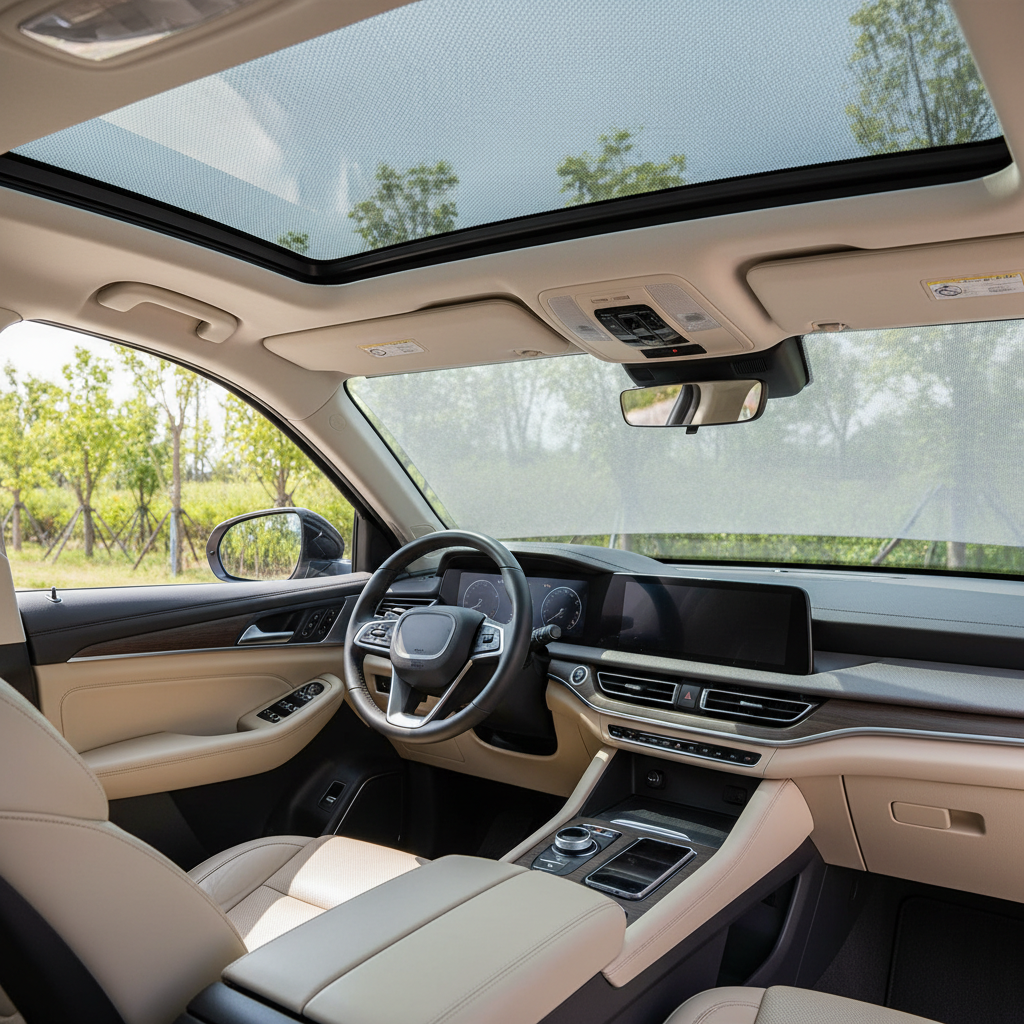
This guide breaks down the main shade types, how to tell what will fit your moonroof or panoramic skylight, and what to watch for so you don’t create rattles, scratches, or visibility issues. You’ll also get a quick comparison table and a simple buying checklist you can use in five minutes.
What “best” means for a moonroof shade (not a windshield shade)
For a moonroof or panoramic skylight, “best” usually means a balance between fit, heat reduction, and no-drama installation. If any one of these fails, the shade becomes something you stop using, which is the worst outcome.
- Fit and stability: it should sit flat, resist sagging, and stay put over bumps.
- Sun control: better shades reduce glare and cut radiant heat, not just “dim” the light.
- Material safety: adhesives, dyes, and coatings should be heat-stable so they don’t smell or transfer onto headliner.
- Compatibility with OEM parts: many vehicles have a built-in sliding screen; the add-on shade must not bind tracks or motors.
According to NOAA, UV exposure can be significant even on hazy days, which is why drivers often notice fading dashboards and warm seats even when it doesn’t feel “that sunny.” A moonroof adds another surface where sunlight can pour in at a steep angle.
Types of moonroof and skylight sun shades (and who they suit)
Most products fall into a handful of designs, and the “best car sun shade for moon roof skylight” for you depends on how permanent you want the setup to be.
1) Custom-fit mesh inserts
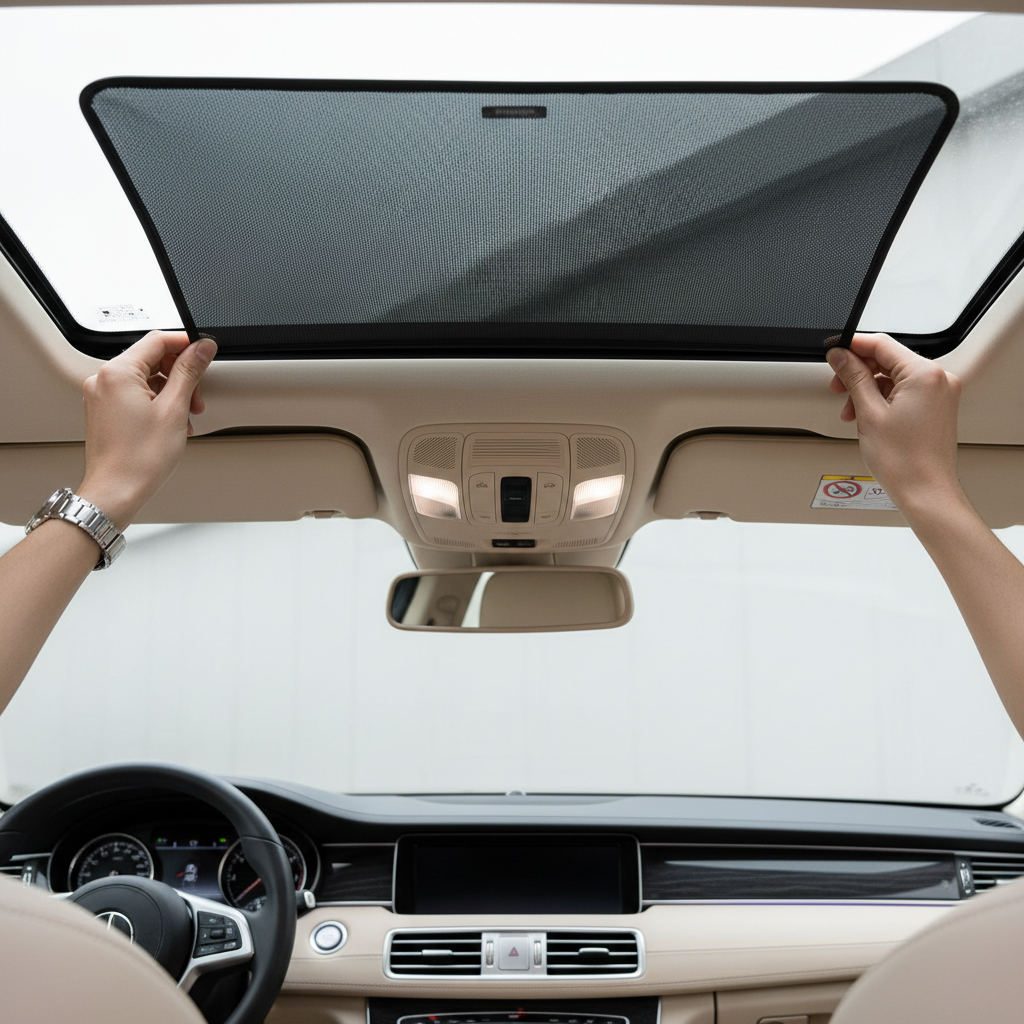
This is often the most “OEM-like” option. A rigid or semi-rigid frame holds a mesh screen that tucks into the roof opening. Many people like these because they look clean and don’t require suction cups.
- Pros: tidy appearance, good stability, less sagging.
- Cons: must match your exact roof opening, may not fully black out light.
- Best for: commuters who want it installed most of the season.
2) Reflective multi-layer panels (folding or roll-up)
These use reflective film, foam, or multi-layer laminates aimed at blocking radiant heat. They can work well, but fit is hit-or-miss on curved openings.
- Pros: stronger heat blocking, good for extreme sun.
- Cons: can crease, can look bulky, sometimes interferes with sliding covers.
- Best for: parked cars in hot climates, road trips, vehicles without a good factory screen.
3) Static-cling or suction-cup shades
These are common because they’re cheap and quick. The downside is heat. Suction cups can drop when the cabin gets hot, and cling films can leave residue if the material quality is not great.
- Pros: easy to move between cars, budget-friendly.
- Cons: falling cups, edge peel, potential marks on tinted glass.
- Best for: occasional use or rental/temporary vehicles.
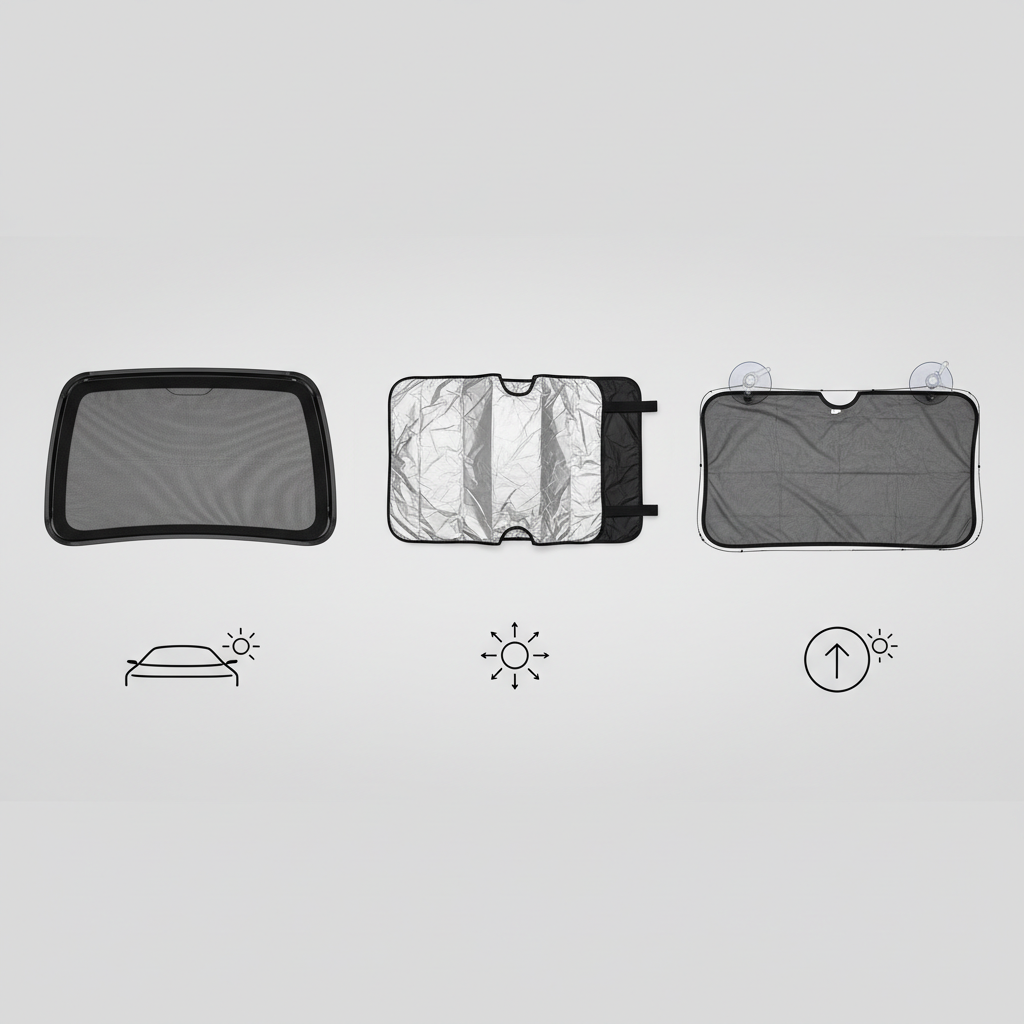
Quick comparison table: choose the right style faster
If you want the shortcut, use this table to narrow down your options before you get lost in reviews.
| Shade type | Heat reduction | Glare control | Fit reliability | Install effort | Typical use |
|---|---|---|---|---|---|
| Custom-fit mesh insert | Medium | High | High (if model-specific) | Low-Medium | Daily driving |
| Reflective multi-layer panel | High | High | Medium | Medium | Parking + heat waves |
| Static-cling / suction cup | Low-Medium | Medium | Low-Medium | Low | Occasional use |
Self-check: what you should measure before buying
Before you choose the best car sun shade for moon roof skylight, do a quick “fit reality check.” Most returns happen because people guess the roof size, or miss a small obstruction that matters.
- Roof type: standard moonroof vs panoramic roof (often much longer), plus whether it opens or is fixed glass.
- Opening dimensions: measure the visible glass area and the inner lip where a frame might tuck in.
- Curvature: some roofs bow slightly; rigid panels may lift at edges.
- Factory shade: if you already have an OEM sliding screen, decide whether you need an add-on at all, or just a better replacement.
- Tint/film status: aftermarket tint can change how cling materials behave, and some suction cups stick differently on certain films.
- Noise sensitivity: if you hate rattles, avoid loose panels that can vibrate against trim.
Key point: measure twice, buy once. A product can be “great” and still be wrong for your exact roof cutout.
Practical buying criteria (what to prioritize in product listings)
Product pages love buzzwords, so it helps to focus on a few signals that usually matter in real use.
Material and coating
- Mesh density: denser mesh cuts glare better, but may reduce the “open sky” feel.
- Reflective layer: reflective films can reduce radiant heat, but look for heat-stable lamination so it doesn’t warp.
- Edge finishing: stitched or bound edges tend to last longer and shed fewer fibers near headliner.
Mounting method
- Frame tuck-in: clean look, typically more stable, but must be vehicle-specific.
- Magnets: can work if your roof frame allows it, but many cars have trim that prevents strong magnetic hold.
- Cling/suction: fastest to install, but expect more maintenance in hot weather.
Heat, smell, and residue risk
Cabins get hot, and some low-cost materials off-gas or leave marks. If you’re sensitive to odors, prioritize brands that clearly describe materials and care instructions. If a listing is vague, that’s often a clue.
How to install it without scratches, sagging, or blocked sensors
Installation is where “best” turns into “annoying.” A few small habits make a big difference, especially for panoramic glass with tight trim tolerances.
- Clean the glass and surrounding trim: dust makes suction cups fail and can grind into tint film.
- Test movement: if your moonroof opens, run it once with the shade loosely held in place, confirm nothing binds.
- Avoid forcing edges: if a framed insert requires bending the headliner, it’s probably the wrong size.
- Leave sensor zones clear: some vehicles place cameras or sensors near the top area; if you’re unsure, check your owner’s manual.
According to NHTSA, drivers should keep visibility unobstructed and avoid accessories that distract or interfere with safe operation. A roof shade typically sits above your line of sight, but loose materials can still flutter and become a distraction.
Mistakes that waste money (and how to avoid them)
Most “this shade is trash” complaints come from predictable mismatches. A little skepticism saves time.
- Assuming universal fit: moonroof openings vary a lot by model year, even within the same vehicle name.
- Chasing total blackout when you just need glare control: blackout panels can feel cave-like and are more likely to sag if not framed.
- Ignoring cabin airflow: reflective panels can trap heat between the glass and shade; cracking side windows slightly while parked may help, when safe and allowed.
- Using harsh cleaners on tint: some chemicals can damage aftermarket films, then the shade “gets blamed.”
- Blocking the OEM sliding shade on purpose: if the motor strains, stop and rethink the setup, repair costs are not fun.
When it’s smarter to consider tint, OEM parts, or a pro install
A sun shade is a good first step, but it’s not the only tool. If heat is extreme or you drive long hours, these options may be worth pricing out.
- Quality window film: ceramic films can reduce heat while keeping visibility, but performance varies by product and legal limits vary by state, ask a reputable installer.
- OEM replacement shade: if your factory screen is torn or sagging, replacing it might look cleaner than an add-on.
- Rattles, leaks, or binding roof: if your moonroof already sticks, adding accessories can make diagnosis harder, a professional inspection may be the safer move.
For anything involving electrical roof mechanisms or sensor housings, it’s reasonable to consult a qualified shop, especially if the vehicle is under warranty.
Conclusion: the “best” choice is the one you’ll actually keep using
The best car sun shade for moon roof skylight is usually a model-specific, stable shade that matches how you drive. If you want clean daily comfort, a custom-fit mesh insert is hard to beat. If you park in brutal sun for hours, a reflective multi-layer panel can be more satisfying, as long as it fits without fighting the trim.
Pick one action today: measure your roof opening and decide whether you want glare reduction or heat blocking as the priority, then shop with that target instead of guessing.
FAQ
What is the best car sun shade for moon roof skylight in very hot states like Arizona or Texas?
Many drivers in very hot climates prefer reflective multi-layer panels because they reduce radiant heat more noticeably, but fit matters more than the material claim. If the panel warps or gaps, performance drops fast.
Will a moonroof sun shade damage tint film?
It can, depending on the mounting method and film quality. Suction cups and rough edges may mark some films, so gentle cleaning and a smooth-edged product help. If your tint is aftermarket and expensive, asking the installer what materials to avoid is a practical step.
Do mesh moonroof shades actually reduce heat or just glare?
Mesh usually helps glare more than heat, though it can still reduce some radiant warmth by limiting direct sun. If your main complaint is “my scalp feels hot,” reflective layers tend to feel stronger.
How do I measure a panoramic roof shade correctly?
Measure the visible glass area and the inner lip where the shade would mount, then check for curves near the edges. Panoramic roofs often taper slightly, so a single width number may not tell the full story.
Can I use a windshield sun shade on my moonroof?
Sometimes, but it’s usually clumsy. Windshield shades are built for flat surfaces and often won’t sit securely overhead, which can turn into sagging or distraction.
Why do suction cups keep falling off my skylight?
Heat cycling is a common reason, the cup softens and loses seal. Cleaning the glass, slightly warming the cup before sticking, and avoiding textured tint areas can help, but some setups remain finicky.
Should I leave a moonroof shade installed all year?
If it’s a framed, vehicle-specific insert, many people do, especially during summer. For adhesive, cling, or suction products, long-term heat exposure may shorten life or leave marks, so periodic removal and cleaning is safer.
Looking for a simpler path?
If you’re trying to pick a shade fast, focus on your roof type, your measurements, and whether you want glare control or serious heat blocking, then shortlist only products that clearly state fit compatibility. If you’d rather avoid trial-and-error, a vehicle-specific option or a shop that works with moonroof accessories can save time and returns.