
Best car polish for old faded paint usually means a product that can remove oxidation and fine defects without chewing through already-thin clear coat, and that balance matters more than brand hype.
If your paint looks chalky, dull, or patchy, you’re not alone, older daily drivers in the US see a lot of UV, road salt, and automatic-wash wear. The good news is that many “faded” finishes can look dramatically better with the right polish choice and a sensible process, even before you consider repainting.
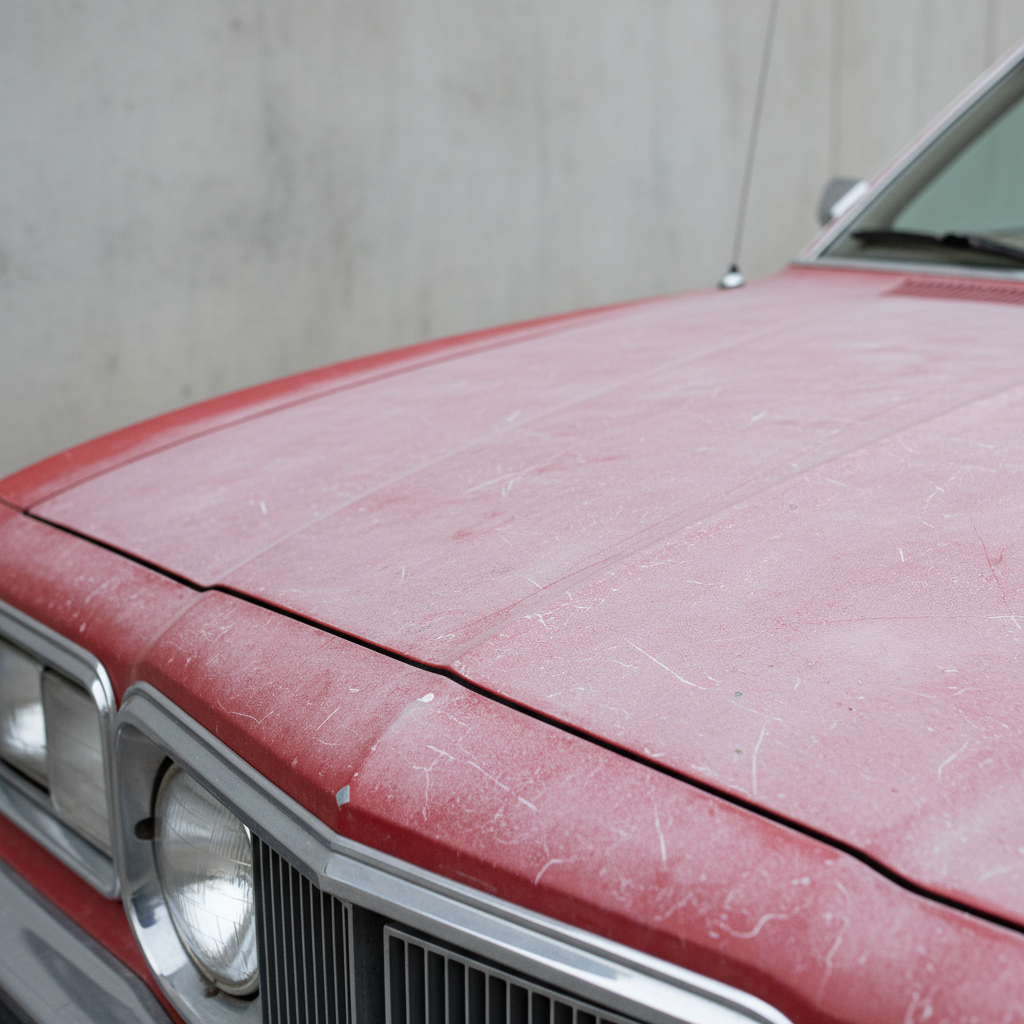
One common misconception is that “more aggressive” always equals “more restoration.” In reality, the fastest way to ruin an old finish is to compound hard without checking paint condition. This guide helps you identify what you’re dealing with, pick a polish level that matches, and get predictable results.
What “old faded paint” usually means (and why it changes the polish you need)
Fading gets used as a catch-all, but it’s typically one of these situations, and each responds differently to polishing.
- Oxidation on single-stage paint: Common on older red/black cars. Color transfers to your towel during a test wipe, polishing can restore color but you must protect it afterward.
- Oxidized clear coat: The surface looks gray and hazy, polishing can improve clarity, but clear coat is finite, especially on older vehicles.
- Embedded contamination: Rough feel, dull look even after washing. Needs decon (chemical + clay) before you judge “fading.”
- Clear coat failure: Peeling, cracking, or “spiderweb” delamination. Polish won’t fix it, at best it masks briefly.
According to the U.S. Environmental Protection Agency (EPA), UV exposure is a major driver of material degradation outdoors, which is why hoods, roofs, and trunks fade first. That’s also why you often need a slightly different approach panel to panel.
A quick self-check: do you need a polish, a compound, or a repaint?
Before you buy the “best car polish for old faded paint,” do two fast checks. They save money, and they reduce the chance you polish a problem that isn’t polishable.
5-minute assessment checklist
- After a proper wash, does the paint still look chalky? If yes, oxidation is likely.
- Bag test: Put your hand in a thin plastic bag and glide across the paint. If it feels gritty, you need decontamination first.
- Color transfer test: Rub a small spot with a light polish on a microfiber. If the towel shows body color, you may have single-stage paint.
- Look for failure signs: Peeling edges, milky patches that don’t change after polishing a small test spot, or visible cracking often points to clear coat failure.
- Sun vs shade: In direct sun, oxidation haze can look worse than it is. Always judge your test spot in shade too.
If you find clear coat failure, a body shop repaint or re-clear becomes the realistic fix. If not, polishing is usually worth trying.
How to choose the best polish level for faded paint (practical decision table)
Most people get stuck choosing between “polish,” “compound,” and “all-in-one.” Here’s the simple way to think about it: use the least aggressive product that delivers the correction you can see after wiping off.
| Paint condition | What you see | What to use | Why it works |
|---|---|---|---|
| Light oxidation / mild haze | Dull gloss, still reflects shapes | Finishing polish (fine abrasive) | Restores clarity with minimal clear removal |
| Moderate oxidation + swirls | Cloudy, obvious wash marks | Medium polish or “one-step” | Balances cut and finish, good for daily drivers |
| Heavy oxidation (no peeling) | Chalky, flat, poor reflections | Compound then polish | Compound removes dead layer, polish refines gloss |
| Single-stage oxidation | Color on towel, paint feels “dry” | Medium polish, possibly followed by finishing polish | Restores color, avoids over-cutting |
| Clear coat failure | Peeling/flaking or cracking | Skip polishing as a “fix” | Paint film is failing, restoration needs refinishing |
If you’re shopping, look for products described as fine/finishing polish, medium cut polish, or compound, and match that to your test spot result. The “best car polish for old faded paint” for one vehicle can be too mild or too aggressive for another.
What to look for in a product (without getting lost in marketing)
You don’t need a chemistry degree, but a few features make life easier on older paint.
- Diminishing or modern micro-abrasives: Both can work, what matters is that the polish finishes well and wipes off cleanly.
- Long working time: Helpful if you’re using a dual-action polisher and learning pad pressure and speed.
- Low dusting: Old oxidation dust plus dusty compound is a miserable combo, and cleanup can re-marr the paint.
- Pad-friendly: Some polishes gum up quickly, which reduces cut and increases haze on tired clear coat.
- Body-shop safe (optional): If you have recent paintwork, “silicone-free” claims can matter, ask the shop if unsure.
Also be honest about your tools. If you’re working by hand, a medium polish or an all-in-one often makes more sense than a hardcore compound you can’t fully break down.
Step-by-step: restoring faded paint safely (a process that scales)
This is the part people rush, and it’s where results swing from “wow” to “why does it look worse.” Keep it boring and controlled.
1) Wash and decontaminate before judging
- Use a proper car shampoo, not dish soap, which can be harsher on trim and existing protection.
- If paint feels rough, use an iron remover, then clay with plenty of lubricant. This reduces pad drag and random scratches.
2) Do a test spot (don’t skip)
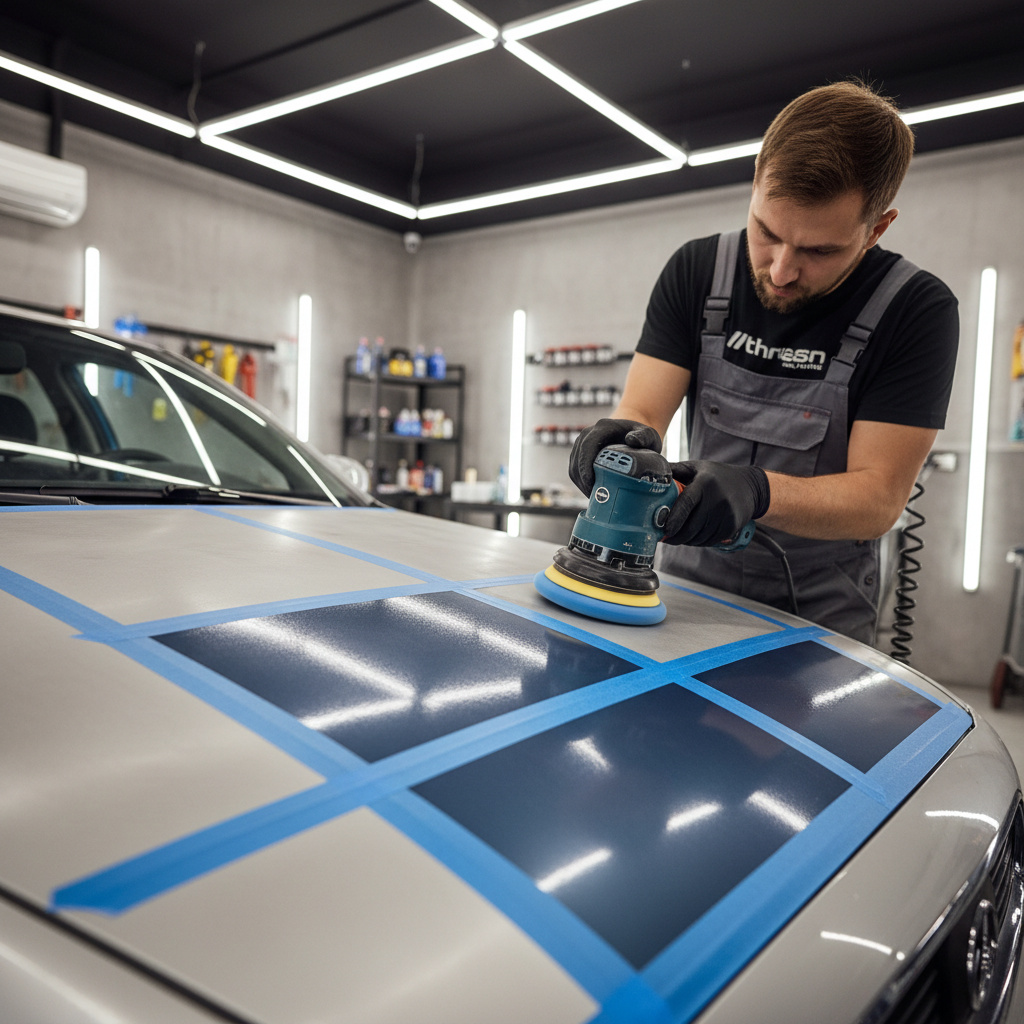
- Pick a 2 ft x 2 ft area on the hood.
- Start with a finishing or medium polish and a polishing pad, wipe, inspect in good light.
- If it’s not enough, step up either pad aggressiveness or product cut, not both at once.
3) Machine vs hand application
- Dual-action (DA) polisher: Usually the safest choice for DIY correction on old paint, it’s less likely to burn edges than a rotary.
- Hand polishing: Works for small areas and light oxidation, but heavy fading often needs a machine for consistent correction.
4) Wipe-off and panel prep
If your polish leaves oils that make the finish look better than it really is, you can get fooled. A panel wipe or paint prep spray helps you see true correction, but on older paint, use it lightly and follow product directions.
Protection after polishing: the part that keeps the gloss
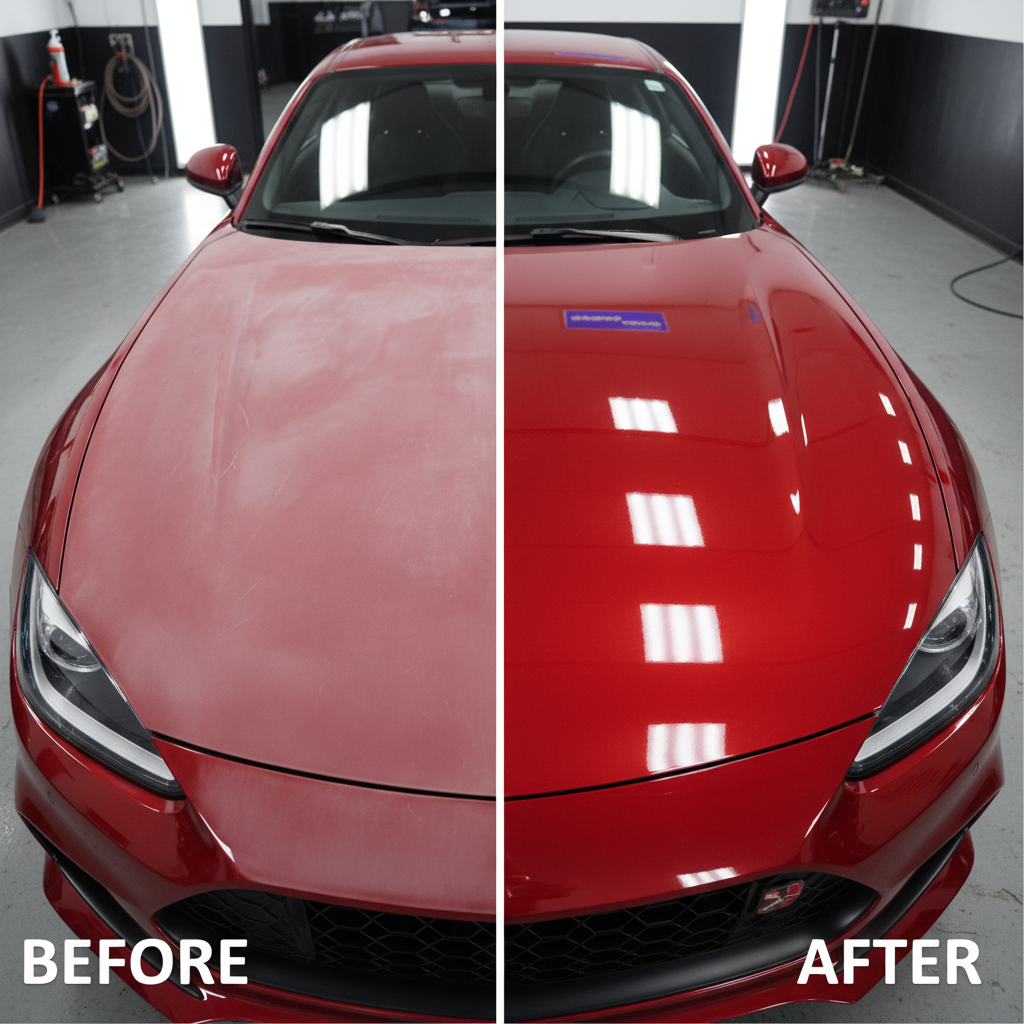
Polishing removes damaged surface, it doesn’t add long-term protection. If you stop after polish, old paint often re-oxidizes faster than you expect.
- Sealant: Great middle ground for durability and shine on daily drivers.
- Ceramic spray: Easy application, good slickness, durability varies by product and prep quality.
- Traditional wax: Warm look, usually shorter durability, but still better than leaving paint bare.
According to the National Highway Traffic Safety Administration (NHTSA), keeping windows, lights, and mirrors clean supports visibility and safety. When you’re already detailing, it’s a good reminder not to ignore cloudy headlights or grimy glass while chasing paint gloss.
Common mistakes that make faded paint look worse
- Skipping decon: Pads clog fast, the polish “skates,” and you add haze.
- Overworking dry product: Creates micro-marring and stubborn residue, especially on hot panels.
- Using a heavy-cut compound everywhere: You may get quick improvement, then end up with a dull, hazy finish that needs extra steps.
- Ignoring edges and raised lines: These areas tend to have less paint, tape them off if you’re unsure.
- No protection step: The car looks great for a week, then the dullness creeps back.
When it’s worth getting a pro involved
If you’re seeing peeling clear coat, widespread cracking, or you suspect the paint is very thin, a reputable detailer or body shop can help you avoid expensive mistakes. Many detailers can also measure paint thickness with a gauge and build a safer plan panel by panel. If your vehicle has collector value, that caution is usually worth it.
Key takeaways (so you can act today)
- Test spots decide the “best” polish, not the label or the strongest cut.
- Most faded daily drivers improve with a medium polish one-step plus protection.
- If paint is failing (peeling/cracking), polishing won’t restore it, you’re looking at refinishing options.
- Decon and protection are not “extras,” they’re what makes the correction look clean and last.
Conclusion: picking the right polish is really about matching your paint’s reality
Finding the best car polish for old faded paint comes down to an honest assessment and a controlled approach: clean and decontaminate, run a test spot, use the least aggressive combo that works, then lock it in with protection. If you only do one thing this weekend, do the test spot, it tells you whether you’re headed for a satisfying DIY win or whether the paint has bigger issues than polish can solve.
FAQ
What is the best car polish for old faded paint if I only want one product?
A medium-cut “one-step” polish or an all-in-one can be a sensible choice for moderate oxidation on a daily driver, especially with a DA polisher. If fading is heavy, one product may leave haze or not cut enough, a second refining step can matter.
Can I restore faded paint by hand, or do I need a machine?
Light oxidation can improve by hand, but heavy chalkiness usually responds better to a dual-action polisher because it keeps pressure and motion consistent. Many people try by hand, get tired, and stop before the polish has done much.
How do I know if my car has single-stage paint?
A quick clue is color transfer during a small polish test, the towel shows red, black, or blue pigment. That’s not a guarantee, but it’s common. If you’re unsure, test a small area and proceed gently.
Will a compound damage old paint?
It can, depending on paint thickness, pad choice, technique, and how aggressive the compound is. On older clear coat, it’s usually smarter to start with a polish, then step up only if your test spot proves you need more cut.
Why does my paint look great after polishing but dull again after a wash?
Sometimes polishing oils temporarily fill haze, and the wash removes that effect. Another common reason is no durable protection, the surface starts oxidizing again. A proper sealant or ceramic spray usually helps.
Should I clay a car with faded paint?
Often yes, as long as you use plenty of lubricant and don’t press hard. If the paint is severely failing or flaking, claying can catch edges and worsen it, in that case, a pro assessment is safer.
Is it better to wax or use a ceramic spray after restoring faded paint?
Either can work. Wax is straightforward and looks nice, but many ceramic sprays and sealants last longer on daily drivers. The “better” choice usually depends on how often you’re willing to reapply and how well you prepped the surface.
How often should I polish an older car?
As infrequently as practical. Polishing removes a small amount of paint each time, so it’s better to correct once, then maintain with gentle washing and a good protectant, rather than polishing every few months.
If you’re trying to revive a sun-baked daily driver and want a more predictable, low-fuss path, start by choosing a polish based on a test spot, then pair it with a durable sealant or ceramic spray so the restored gloss has a real chance to stick around.