
The best portable car vacuum for wet and dry cleaning is the one that matches your mess type, your car layout, and how often you’ll actually use it, not just the highest suction number on the box.
If you’ve ever vacuumed crumbs from seat rails, then realized the real problem is a spilled coffee in the cup holder, you already know why “dry-only” tools can feel like a half-solution. Wet & dry models can be genuinely convenient, but they also come with tradeoffs like tank size, filters, and cleanup time.
This guide focuses on what matters in real cars: quick grab-and-go cleaning, avoiding moldy smells, and not wasting money on features you’ll never touch. I’ll also show a quick self-check, a comparison table, and practical tips to keep performance consistent.
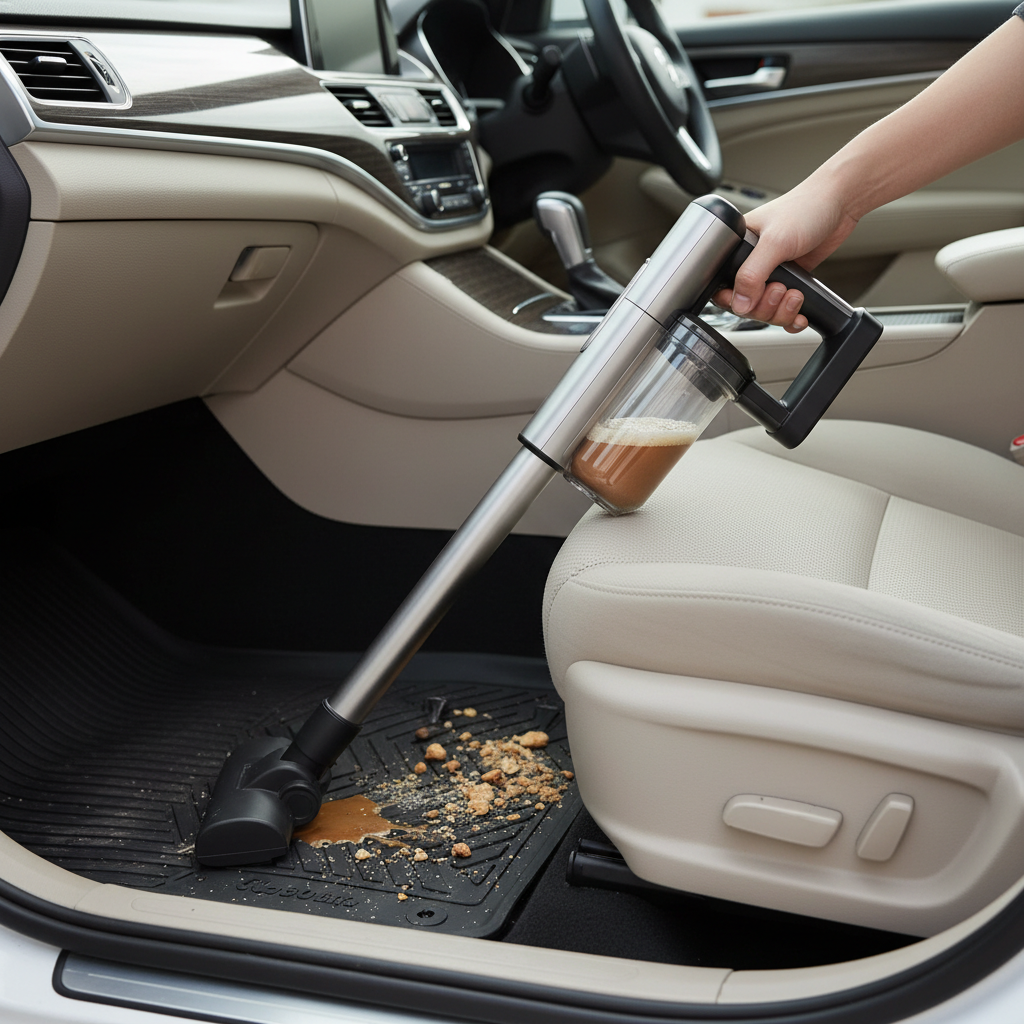
What “Wet & Dry” Really Means in a Car Vacuum
Most portable wet/dry car vacuums are small extractors in the loosest sense: they can pick up small amounts of liquid, but they don’t deep-wash carpet like a full-size shop vac plus extractor head.
In practice, wet pickup usually works best for fresh spills, cup-holder drips, melted ice from coolers, and slush tracked onto mats. For pet accidents or old stains, you may need a dedicated upholstery cleaner and more dwell time.
- Wet pickup: collects liquid into a tank, often with a float valve to prevent overflow.
- Dry pickup: standard dust/crumb/pet hair cleanup, ideally with a washable filter.
- Reality check: “wet/dry” doesn’t guarantee strong suction on both modes, some units excel at one.
According to OSHA, using the right vacuum type for the material helps reduce exposure to dust and debris in work environments, and the same idea applies in your car: match the tool to the mess and you’ll spend less time redoing the job.
Why People Get Disappointed (and How to Avoid It)
Most disappointment comes from expectations that don’t fit the category. A compact handheld unit is designed for convenience, not for replacing a full detail setup.
- Chasing peak suction numbers: airflow and nozzle design matter as much as “Pa” ratings, especially in tight crevices.
- Ignoring tank capacity: small wet tanks fill quickly, then performance drops or the float shuts off suction.
- Skipping filter maintenance: a damp or clogged filter can make a vacuum feel “dead” after a few uses.
- Buying the wrong power style: 12V units are convenient, but battery or AC-powered options may deliver steadier performance.
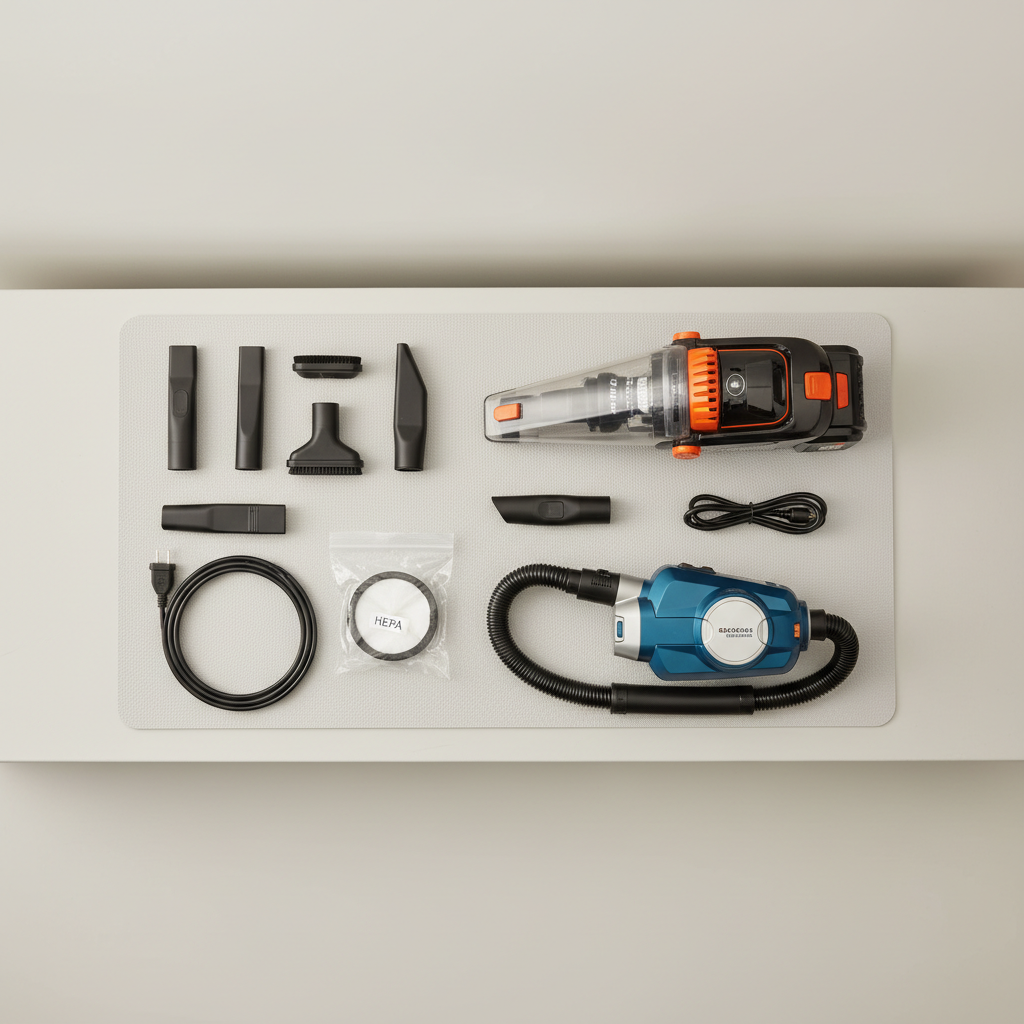
Many people also underestimate how much the right attachments matter in a vehicle: a crevice tool for seat rails, a brush for vents, and a squeegee or wet nozzle for spills can change the experience.
Quick Self-Check: Which Type Fits Your Car and Habits?
Before shopping, answer these fast. Your answers usually point to the best portable car vacuum for wet and dry cleaning for your situation.
- Mostly crumbs, dust, and pet hair? Prioritize airflow, a motorized brush (if available), and a good crevice tool.
- Kids and drinks in the back seat? Prioritize wet pickup design, easy tank emptying, and washable parts.
- Apartment living, no garage outlet? Look for battery runtime you’ll actually use (10–20 minutes can be enough) and USB-C charging if you prefer it.
- Trucks/SUVs with lots of floor area? A longer hose, extension wand, and larger bin reduce frustration.
- You detail monthly? Consider a step up in capacity and durability, even if it’s less “portable.”
If you’re not sure, choose a model that’s easy to clean and easy to store. Convenience is what keeps these tools from becoming closet clutter.
Feature Checklist: What to Look For (and What’s Optional)
Specs can be noisy. Here are the features that tend to make or break daily use, especially for wet/dry capability.
Must-haves for most drivers
- Separate wet/dry path or clear instructions: switching modes should be obvious so you don’t soak a dust filter by mistake.
- Washable filter and parts: helps control odors and keeps suction consistent.
- Crevice tool that’s actually narrow: seat rails and console gaps are where grime hides.
- One-hand emptying: if emptying is annoying, you’ll put off cleaning.
Nice-to-have, depending on your car
- Hose + extension: great for SUVs, less important for compact sedans.
- LED light: surprisingly helpful under seats, but not a deciding factor.
- HEPA-style filtration: useful if you’re sensitive to dust, but performance varies by brand and seal quality.
Watch-outs (common pain points)
- Micro tanks: fine for a few ounces of liquid, annoying for melted ice or repeated spills.
- Proprietary batteries: convenient if you already own that tool ecosystem, pricey if you don’t.
- Short cords: 12V corded units can be great, unless the cord barely reaches the trunk area.
Comparison Table: Choosing the Right Style
This table won’t pick a specific brand for you, but it will narrow the category fast, which is usually the hardest part.
| Type | Best for | Pros | Tradeoffs |
|---|---|---|---|
| Cordless handheld wet/dry | Quick weekly cleanups, small spills | Fast to grab, no cable routing | Runtime limits, smaller bins/tanks |
| 12V corded wet/dry | Longer sessions near the car | No battery anxiety, often steady suction | Cord reach, depends on vehicle outlet power |
| Compact shop vac (portable wet/dry) | Heavier messes, frequent detailing | More capacity, strong pickup | Less convenient, storage space needed |
If your main goal is a true “clean it now” tool, cordless handheld models usually win, even if a compact shop vac might outperform them on raw pickup.
How to Use a Wet & Dry Car Vacuum Without Creating Odors
Wet pickup is the part that can go sideways. A vacuum that handles liquid still needs basic drying and maintenance, otherwise the tank and hose can smell.
- Act fast on spills: blot first if the spill is large, then vacuum the remaining liquid to reduce tank fill.
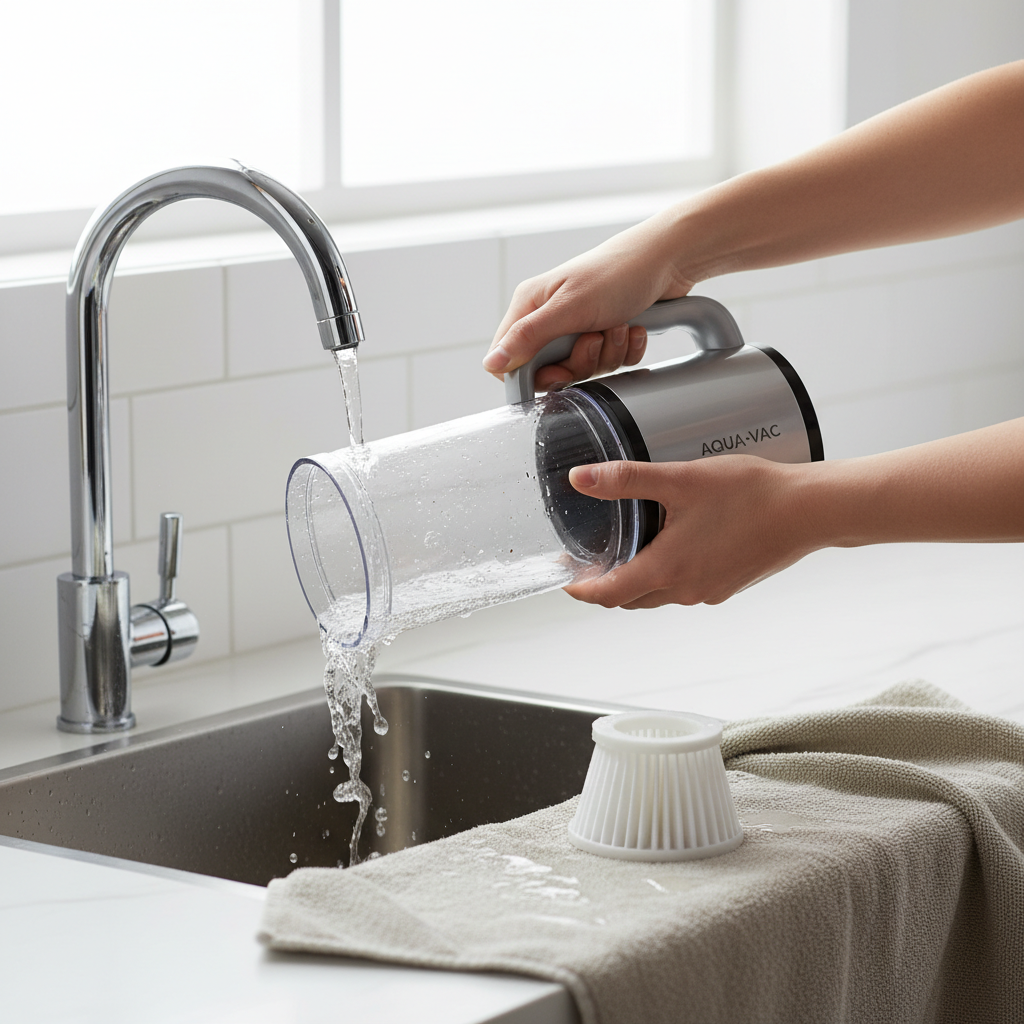
- Empty immediately: don’t leave liquid sitting in the tank “until later,” that’s where odors start.
- Rinse and air-dry: rinse the tank and any wet nozzle, then let parts dry completely with the lid open.
- Don’t store with a damp filter: if your model uses a dry filter, let it dry before reinstalling.
According to EPA, moisture control helps reduce mold growth indoors, and your car interior is basically a small indoor space. If a spill soaked into padding, leaving windows cracked and using airflow can help, but heavy saturation may need professional detailing.
Practical Buying Tips (So You Don’t Overpay)
When shoppers ask what the best portable car vacuum for wet and dry cleaning is, they often want a single “top pick.” Realistically, the smarter move is to pick the best match for your usage pattern, then avoid a few overpay traps.
- Pay for the attachments you’ll use: crevice tool and wet squeegee matter more than a fancy storage bag.
- Check replacement parts availability: filters and seals wear out, if replacements are hard to find, the vacuum becomes disposable.
- Look for easy cleaning design: smooth tanks, fewer grooves, and tool-free disassembly save time.
- Be honest about storage: a slightly bulkier unit that you can store near the door often gets used more than a “sleek” one buried in the trunk.
Key takeaway: a model that’s easy to empty and dry usually stays pleasant to use, which matters more than small differences in spec sheets.
When a Portable Wet/Dry Vacuum Isn’t Enough
There are cases where portable tools struggle, and forcing it wastes time. If you’re dealing with a sour smell, repeated moisture, or liquid that soaked into foam padding, you may need deeper extraction and drying.
- Flooded carpets or standing water: consider a larger wet/dry vacuum and drying equipment, or a detail shop.
- Unknown liquids (chemical spills): use caution, wear protection, and consider professional help, especially if fumes are possible.
- Persistent allergies or asthma triggers: HEPA claims vary, and cabin air quality concerns are worth discussing with a medical professional if symptoms persist.
According to CDC, cleaning practices should match the contamination risk, and if you’re unsure what you’re dealing with, it’s reasonable to step back and get expert advice.
Conclusion: A Simple Way to Pick Your Best Option
If you want the best portable car vacuum for wet and dry cleaning, start with your most common mess, then choose power style and tank design that won’t annoy you after week two. Wet pickup is great for fresh spills, but only if you’re willing to empty, rinse, and fully dry the parts.
Your next step can be simple: list your top three messes (crumbs, pet hair, coffee spills), measure the farthest spot you need to reach, and buy the vacuum that covers those needs with the fewest compromises.
FAQ
What is the best portable car vacuum for wet and dry cleaning for families with kids?
Look for a unit with a genuinely easy-to-clean tank, a wet squeegee nozzle, and simple mode switching. Families usually benefit more from fast cleanup and odor control than from chasing maximum suction specs.
Can a wet/dry car vacuum remove stains from upholstery?
It can help with fresh spills by picking up liquid before it soaks deeper, but stain removal often needs a cleaner solution and agitation. For set-in stains, a dedicated upholstery cleaner or professional detailing may work better.
Is cordless or 12V better for wet and dry car cleaning?
Cordless wins on convenience and quick use, while 12V can be better for longer sessions if the cord reaches everywhere you need. The “better” option is usually the one you’ll actually grab when a spill happens.
How much liquid can these portable vacuums safely pick up?
It varies a lot by tank size and float shutoff design. Many handhelds handle small spills well, but melted ice or a tipped drink can fill them quickly, so check capacity and plan to empty mid-clean if needed.
Do I need a HEPA filter in a car vacuum?
If you’re sensitive to dust, a HEPA-style filter can be helpful, but seal quality and maintenance matter just as much. For most drivers, a washable filter plus regular cleaning is a practical baseline.
How do I stop my wet/dry vacuum from smelling?
Empty the tank right after wet pickup, rinse it, and let it dry fully with airflow. Most odor issues come from storing the vacuum with moisture trapped inside.
Will a wet/dry vacuum scratch interior surfaces?
Hard plastic nozzles can scuff glossy trim if you press or drag them. Using a brush attachment, keeping the nozzle clean, and vacuuming gently around trim helps reduce that risk.
If you’re trying to choose between a few models and want a more “no-regrets” setup, it often helps to narrow by your top mess type and your power preference first, then compare only the short list on tank cleanup, attachment quality, and replacement filters.