
Best car sun shade for rear side window kids usually means one thing in real life: your child stops squinting, stops complaining about “the sun,” and you stop fighting with a floppy shade that falls off halfway through the drive.
Rear side windows are tricky because shapes vary by model, kids sit at different heights, and a shade that looks good on a product page can still leave a bright strip of sunlight right at eye level. If you drive during pickup time or long weekend trips, that glare adds up fast.
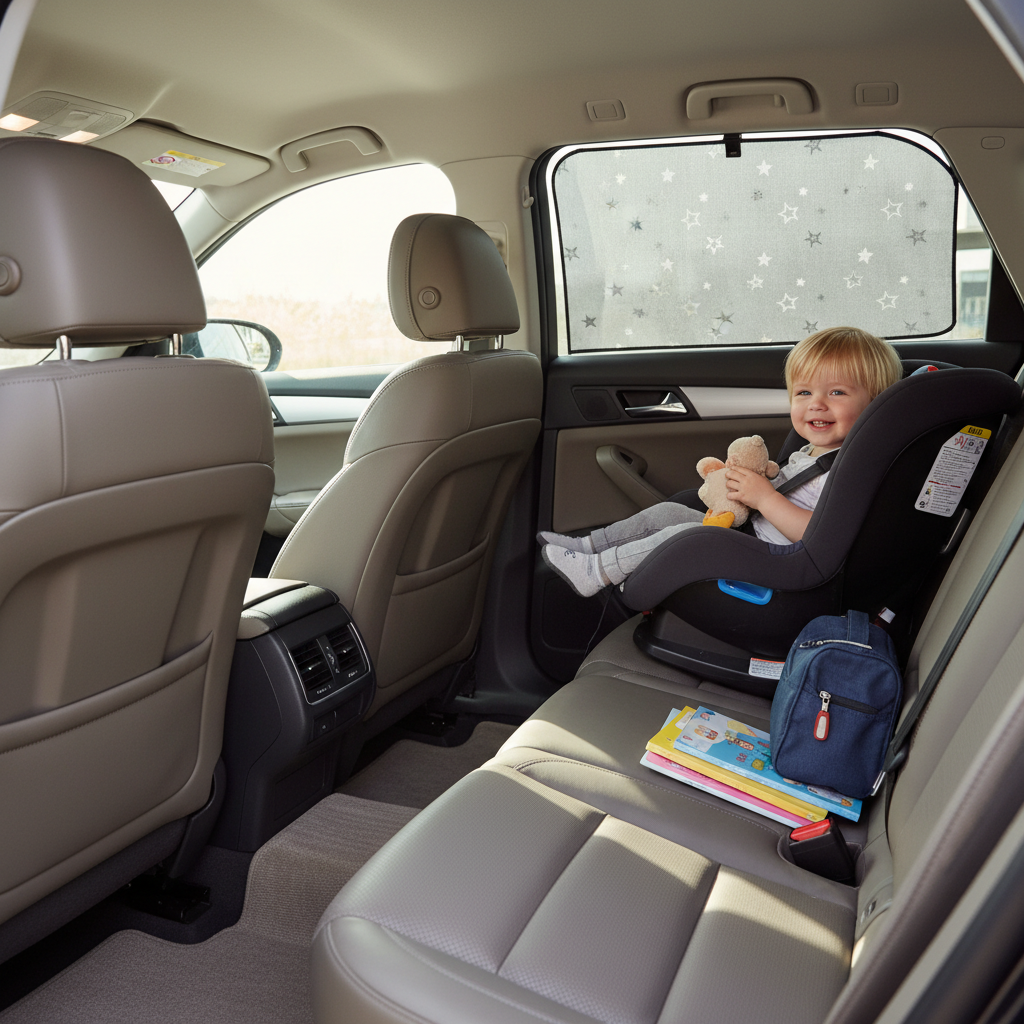
This guide helps you pick a shade that fits your window style, stays put, and blocks light without creating new problems like poor visibility or messy residue. I’ll also share a quick checklist, a comparison table, and a few install habits that make shades work better.
What matters most for kids in the back seat
For adults, a little light leak is annoying. For kids, it can be the whole experience, especially if the sun hits their face at a low angle. These are the features that tend to matter most.
- Coverage where your child’s head actually sits: A shade that covers “most” of the glass still fails if the uncovered corner aligns with the car seat position.
- Heat and UV reduction: A shade can reduce glare while still letting in heat. For long drives, look for products that explicitly mention UV protection or solar blocking, but avoid assuming a specific percentage unless the brand provides it.
- Stay-put attachment: Suction cups, static cling, and frame-style slip-ons each behave differently on hot days and textured glass.
- Driver visibility and legal comfort: Darker shades can be great for naps, but you still need reasonable visibility for lane changes and parking. Regulations vary by state and window location, so it’s worth checking local rules if you plan to keep them up full-time.
Key takeaway: The “best” option depends less on marketing terms and more on your window shape, how often you roll windows down, and whether your kid is in a rear-facing or forward-facing seat.
Common types of rear side window sun shades (and who they fit)
There are a handful of shade styles that show up again and again. Each can be the best car sun shade for rear side window kids in the right scenario, and a complete headache in the wrong one.
Static cling film shades
- Good for: Smooth glass, frequent repositioning, families who dislike suction-cup marks.
- Watch for: Performance can drop if the window gets dusty, or if the product is too small for your glass.
Suction cup mesh shades
- Good for: Quick installs, swapping between cars, budget-friendly setups.
- Watch for: Cups can pop off in heat or on slightly textured glass. It happens most when the cup edges aren’t fully sealed.
Over-the-door frame “sock” shades
- Good for: Kids who nap, families who want coverage even with the window cracked open.
- Watch for: Fit varies a lot by door frame thickness and window shape, and some styles can interfere with door seals if the sizing is off.
Custom-fit, vehicle-specific shades
- Good for: Clean look, maximum coverage, fewer gaps.
- Watch for: Higher cost, less flexible if you switch cars.
Quick comparison table: choose the right shade faster
If you want the shortcut, this table covers the trade-offs most parents care about: coverage, ease, and how often the shade ends up on the floor.
| Shade type | Coverage | Stays put in heat | Works with window down | Best for |
|---|---|---|---|---|
| Static cling | Medium (depends on size) | Medium | No | Clean look, easy reposition |
| Suction cup mesh | Medium | Low–Medium | No | Budget, quick setup |
| Frame “sock” shade | High | High (if fit is right) | Yes (limited) | Naps, long drives |
| Custom-fit shade | High | High | Usually no | Frequent use, best coverage |
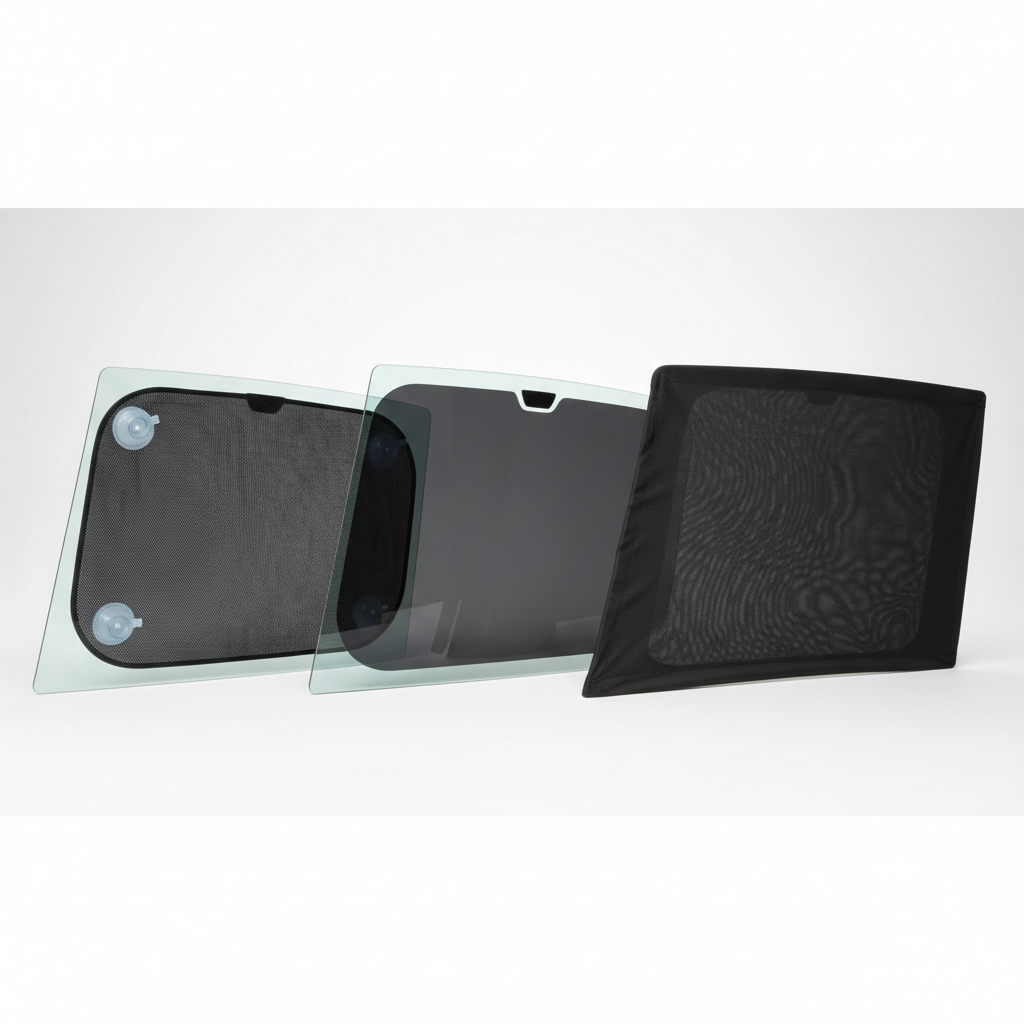
One honest note: if your kid sits in a fixed spot (same car seat position every day), bigger coverage often beats “better material”. A small premium shade that misses the sun angle won’t feel premium at all.
A simple self-checklist before you buy
Most bad shade purchases come from guessing window size and ignoring how the back seat is actually used. Run through this list first.
- Your window shape: Mostly rectangular, or does it taper toward the rear? Tapered glass tends to create gaps with universal shades.
- Glass texture: Some cars have slight texture or dot-matrix areas near edges that reduce suction strength.
- Car seat position: Rear-facing often sits more centered; forward-facing might put the kid’s head closer to the window.
- Do you roll windows down? If yes, a sock-style shade is often less annoying than reapplying cling or cups.
- How often you remove it: Daily removal favors simple, quick attachment methods, but daily handling also means flimsy seams fail earlier.
- Any motion sickness issues: Some kids feel worse if the shade blocks too much view. In that case, a lighter mesh can be better than a heavy blackout style.
Practical rule: If you can, measure the visible glass area and compare it to the shade’s “coverage area,” not just the product’s overall dimensions.
How to install so it actually works (and keeps working)
Even a solid product underperforms with a rushed install. These steps are simple, but they’re the difference between “this is great” and “why is it peeling again.”
For suction cup shades
- Wipe the glass with a clean microfiber cloth, then dry it fully. Skin oils and dust are the usual reason cups fail.
- Warm the suction cups in your hands for a few seconds if they feel stiff.
- Press the cup center first, then push edges down to seal.
- Place the top edge slightly higher than you think, because many shades sag a bit after a day in heat.
For static cling
- Clean glass matters even more here, because cling relies on full contact.
- Use a card or soft squeegee to push out air bubbles, bubbles become light leaks.
- If it curls, lay it flat indoors overnight, many cling materials relax.
For sock-style shades
- Confirm the door closes without extra force. If it feels “tight,” sizing may be off.
- Make sure fabric does not obstruct the side mirror view when you’re seated normally.
- When cracking the window open, keep it modest, too much opening can shift the fabric and reduce coverage.
According to the American Academy of Pediatrics, kids should be properly restrained in an appropriate car seat for their age and size; window shades can improve comfort, but they should never interfere with correct car seat use or driver visibility.
Mistakes that make parents hate their sun shade
Most “this shade is terrible” reviews are really “this shade doesn’t match my setup.” A few patterns show up a lot.
- Buying too small on purpose to “look neat,” then living with a laser beam of sun at 5 pm.
- Assuming all suction cups are equal; cup softness and glass texture matter, and the cheap ones fail first in hot weather.
- Using shades as a substitute for cooling. They help, but cabin temperature still depends on AC performance, parking in shade, and venting heat before loading kids.
- Blocking the entire window for every child. Some kids handle it fine, others get anxious or queasy when they can’t see out.
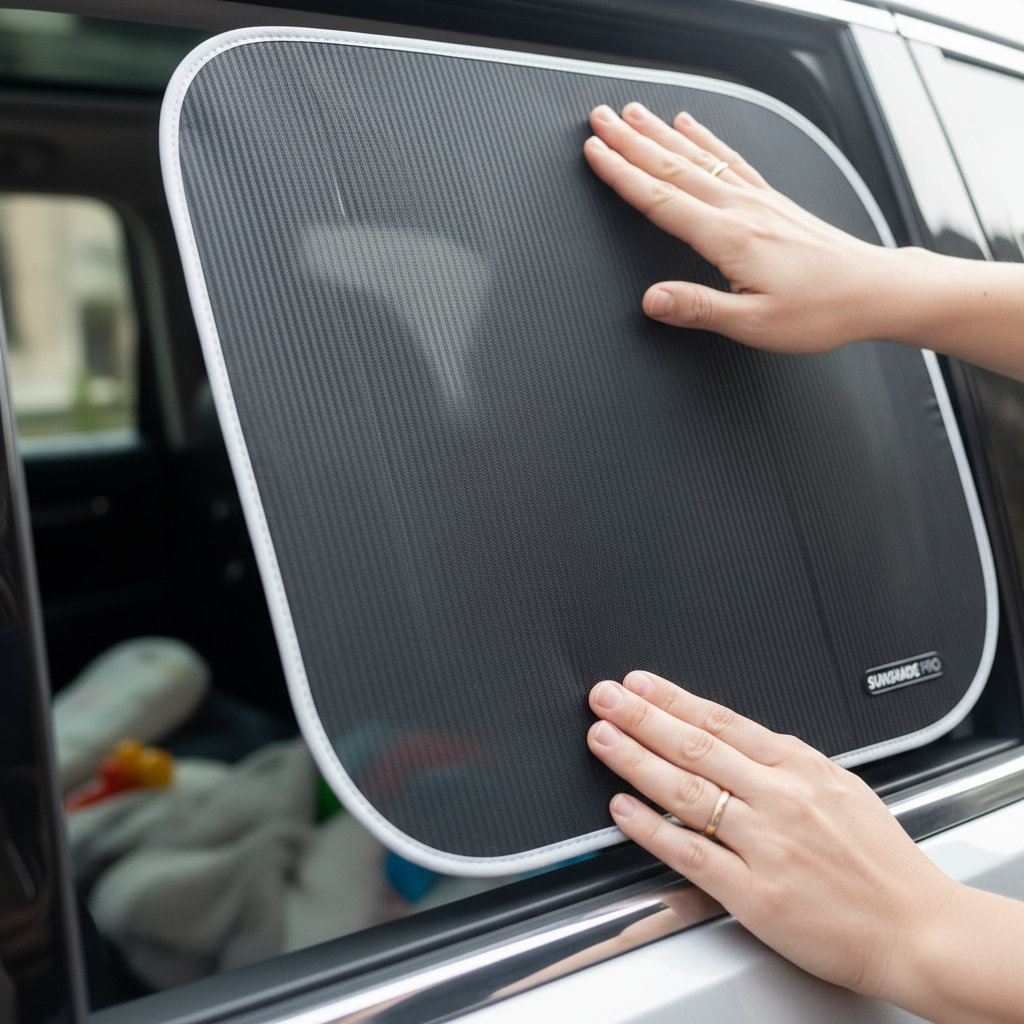
If you want fewer do-overs, pick a style that matches your habits. If you constantly open windows at school pickup, choose the option designed for that, instead of trying to make a cling film behave like a frame shade.
When you should consider professional help or a different approach
If you’re dealing with extreme heat exposure, a medically sensitive child, or concerns about UV impact on skin or eyes, it’s reasonable to ask a pediatrician for guidance on comfort strategies. In some cases, people also look into professional window tinting, but tint rules vary and improper tint can create visibility and compliance problems.
According to the National Highway Traffic Safety Administration (NHTSA), safe driving depends on clear visibility; if a shade reduces your ability to see pedestrians, cyclists, or cross traffic, adjust placement or switch to a lighter option.
Practical wrap-up: picking your “best” option
The best car sun shade for rear side window kids is usually the one that covers the sun angle for your child’s seat, stays attached through heat cycles, and still leaves you comfortable with visibility. If you’re buying only one style, a well-sized mesh or a well-fitting sock-style shade tends to satisfy most families, but custom-fit shades win when you want maximum coverage with fewer gaps.
Action steps that make this easy: measure your rear side window glass, decide whether you need window-down capability, then choose a style that matches that reality instead of forcing a universal fit.
FAQ
- What is the best car sun shade for rear side window kids who nap a lot?
Many families prefer over-the-door sock shades for naps because they reduce side glare more completely and can still work with the window cracked slightly, assuming the fit is correct. - Do suction cup sun shades damage car windows?
Usually they don’t damage glass, but they can leave rings or residue. Cleaning with a mild glass cleaner and microfiber cloth tends to solve it without scraping. - Are static cling shades safe around children?
Generally yes for normal use, since they attach to the window rather than dangling. Still, check edges and corners so the film isn’t peeling where a child can pull and mouth it. - Why does my sun shade keep falling off in hot weather?
Heat can soften materials and weaken suction, especially if there’s dust or oils on the glass. A thorough clean and reseal helps, but some cars’ glass texture also makes suction less reliable. - Can I leave rear side window shades on all the time?
Many people do, but you should confirm you can see clearly during merges and parking. If visibility feels compromised at night, consider removing them or switching to a lighter mesh. - Do car sun shades help with car seat heat?
They can reduce direct sunlight on the seat and child, which often improves comfort. For hot days, pairing shades with pre-cooling the cabin and covering buckles can help more than relying on shades alone. - Should I choose a darker “blackout” shade for kids?
It depends on the child. Darker coverage can support naps, but some kids feel uneasy if they can’t see out, and drivers may feel less comfortable with reduced side visibility.
If you’re trying to make back-seat rides calmer, it helps to treat shades like a fit-and-usage problem, not a one-size product. If you want a more hands-off setup, look for a custom-fit or frame-style option sized for your exact rear window so you’re not reattaching it every other day.